



When the weather turns hostile, visibility is one of the first safety factors to suffer. Standard headlights often fall short in dense fog, pouring rain, or heavy snow, scattering light and reflecting glare back into your eyes.
This is where fog lamps (each fog light mounted low on the bumper) can make all the difference. Designed to project a low, wide beam, they illuminate the section of road that matters most - the ground directly ahead - giving you clearer lane guidance and more reaction time.
Key Takeaways:
- Fog lights create a flat, wide light beam aimed low to reduce glare in fog, rain, and snow.
- They improve visibility of lane markings, curbs, and immediate hazards in low-visibility conditions.
- Most U.S. states legally restrict their use to situations where visibility is reduced.
- Using them in clear weather can cause glare for other drivers and may result in fines.
- They work best when paired with low-beam headlights for balanced illumination.
- Regular cleaning, alignment checks, and lens maintenance keep them performing at peak efficiency.
Mastering these fundamentals is only the beginning, the sections ahead reveal exactly when and how to use fog lamps so you stay safe, compliant, and confident in any weather.
Understanding Fog Lamps
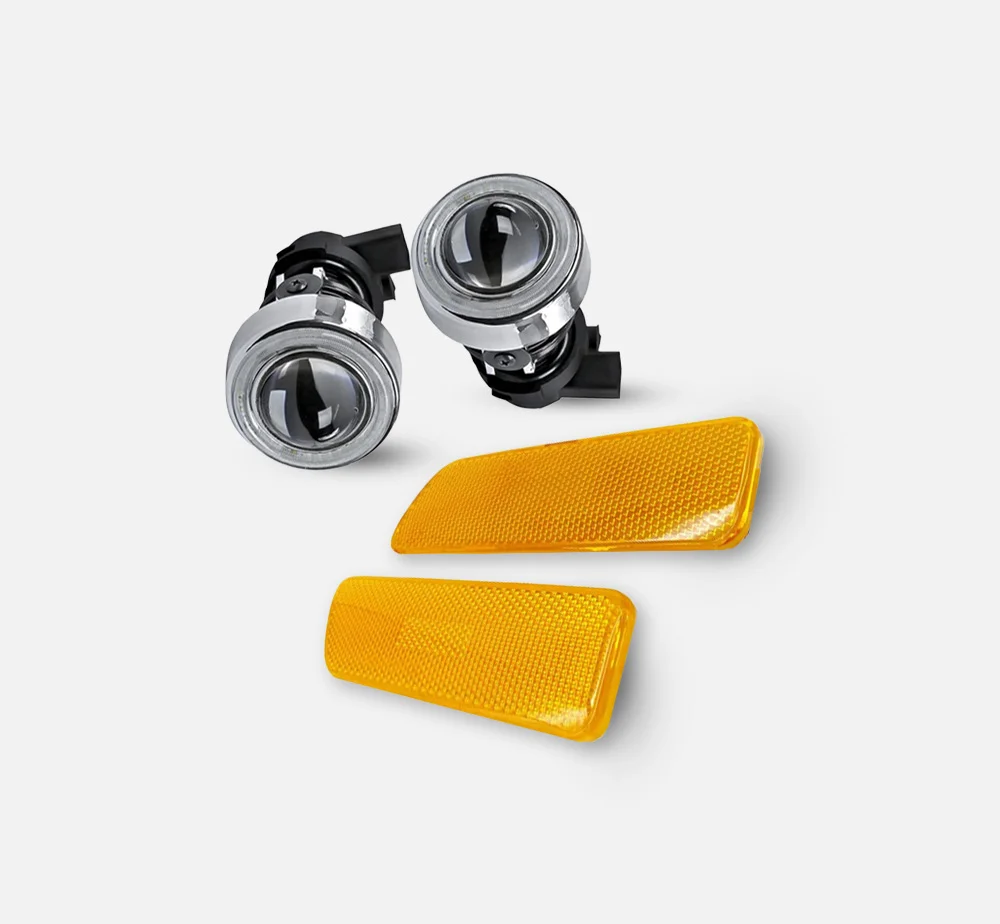
Fog lamps are a specific type of auxiliary light installed low on the front of a vehicle, usually mounted in the front bumper. Their position is intentional - the lower height allows the beam to pass underneath the densest layer of fog, rain, or snow.
The light they produce is wide and flat, with a sharp upper edge, so it focuses on illuminating the road surface and lane markings without bouncing back into the driver's eyes.
Unlike standard low-beam headlights, which are designed to project farther down the road, fog lamps work over a shorter range, typically about 100 to 150 feet. This close-range coverage is what makes them so effective in poor visibility. By keeping the light low and controlled, they reduce glare and help the driver see road edges, curbs, and immediate hazards more clearly.
In the United States, most states regulate when fog lamps can be used. Laws generally limit them to situations where visibility is reduced to around 500 feet or less.
Using them in clear conditions is discouraged, as their low-mounted brightness can create unnecessary glare for oncoming drivers. Checking your state's vehicle code ensures you know exactly when their use is legal and appropriate.
For drivers who want the best performance, keeping fog lights correctly aimed and clean is key. Even a slight misalignment can cause glare or reduce their effectiveness, so periodic checks are worthwhile.
Conditions Favoring the Use of Fog Lamps
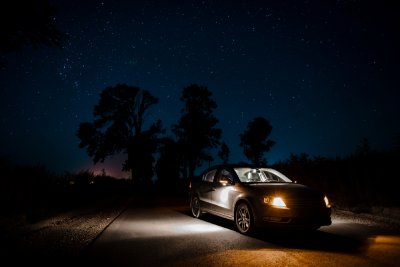
The value of fog lamps becomes most apparent in specific environmental scenarios where standard lighting falls short. In each case, the lamp's beam geometry and placement near the ground create a visual advantage that directly improves reaction time and hazard recognition.
Foggy weather
In fog, water droplets suspended in the air scatter light, particularly from higher-mounted headlights. This scattering effect bounces light back into the driver's eyes, creating a bright haze and obscuring road features. Fog lights, with their downward-angled, short-range beam, reduce this effect by keeping most light below the densest fog layer.
Practical benefits include clearer identification of lane markings, curbs, and the immediate edges of the pavement. This is especially important on winding roads or in rural areas where the absence of street lighting increases the risk of drifting from the lane.
In regions like the Pacific Northwest or New England, where seasonal fog can linger for hours, proper usage can significantly improve driving comfort and reduce fatigue caused by eye strain.
Heavy rain or snow
Intense precipitation creates moving surfaces of water droplets or snowflakes that behave like miniature mirrors, reflecting and diffusing headlight beams. This effect increases glare, particularly at night, when the human eye's adaptation to darkness makes it more sensitive to scattered light.
Fog lights improve the situation by illuminating the lower roadway beneath the main spray or snow drift zone. In heavy rain, this allows drivers to track lane boundaries and surface water accumulation more effectively. In snow, the low beam pattern prevents the blinding whiteout effect often caused when high beams reflect off falling flakes.
Drivers traveling in northern states during winter storms can benefit greatly from keeping fog lamps in good working order, as the visual depth they provide helps maintain speed control and safe following distances.
Low-light conditions
While fog lights are not intended as primary night lighting, they can serve as a valuable supplement in certain dim environments. Pre-dawn hours in rural areas often combine low ambient light with ground mist or frost, conditions where fog lamps help distinguish the immediate roadway from surrounding darkness.
They can also assist in late-evening driving on unlit backroads, particularly where wildlife crossing is common. The broader beam spread near ground level can highlight movement at the road edges, giving the driver extra reaction time.
For motorcyclists and compact car drivers, this advantage can be even more pronounced, as their lower seating positions make it harder to see hazards illuminated only by standard headlights.
Best Practices for Using Fog Lights
To get the most from fog lights, drivers must pair correct operational habits with regular maintenance. Misuse or neglect can not only diminish performance but also cause unnecessary risk to other road users.
Proper usage guidelines
Activate fog lamps only when visibility has been reduced to a distance where hazard recognition is impaired, typically under 500 feet. In such conditions, pairing them with low-beam headlights creates a balanced lighting pattern that covers both the near and mid-range view without overwhelming the driver's vision.
Avoid combining fog lights with high beams, as the elevated light source will scatter more aggressively through fog or snow, undoing the benefits of the lower beam.
Turn fog lamps off once visibility improves to prevent dazzling other drivers, especially in urban areas where road surfaces are often wet at night. This also prolongs bulb life and reduces electrical load on the vehicle.
Drivers should also develop situational awareness regarding their surroundings. For example, in mountainous areas where weather can shift rapidly, keeping a hand near the fog lamp control allows quick adaptation. In urban traffic, where sudden weather changes may not affect all streets equally, switching off fog lamps on clearer stretches maintains courtesy and compliance.
Maintenance tips for fog lamps
Clear, well-aligned fog lights perform far better than those left to degrade over time. Regularly cleaning the lens exterior prevents light loss caused by road grime, bugs, and salt residue. This is especially important for vehicles driven in winter climates, where de-icing chemicals can cloud the lens surface quickly.
Inspect lamp housings for hairline cracks or loose seals that can allow moisture inside. Internal condensation reduces clarity and can lead to premature bulb failure or corrosion on the reflector surface. Electrical connections should be checked during routine servicing, ensuring no corrosion has formed at the terminals.
If the light output seems dim, examine both the bulbs and the lens condition. Over time, polycarbonate lenses may develop a yellow tint due to UV exposure. Restoring these lenses with a polishing kit or replacing them entirely restores original brightness.
Upgrading to high-quality bulbs or LEDs can further improve performance, provided they match the lamp's beam pattern specifications.
Final Thoughts
Fog lamps serve a highly specialized role in automotive lighting. When used in the right conditions, they enhance safety by providing targeted illumination that penetrates challenging visibility barriers.
Responsible operation, in line with both legal requirements and practical best practices, ensures they deliver their intended benefit without causing distractions or hazards to other road users. For drivers who value both performance and compliance, quality fog lights supported by consistent maintenance offer a dependable ally in adverse weather driving.
FAQs
Can fog lamps replace regular headlights at night?
- No. Fog lamps are designed for short-range illumination and must be used in combination with low-beam headlights in dark conditions to provide a full field of vision.
How can I tell if my fog lamps are properly aimed?
- The beam should project slightly downward and wide across the road without shining directly into the eyes of oncoming drivers. A professional alignment check during regular service intervals ensures accuracy.
Do LED fog lamps perform better than halogen ones?
- LED fog lamps often produce a brighter, whiter light with improved energy efficiency and longevity compared to halogen units, though correct beam pattern remains the key factor in performance.