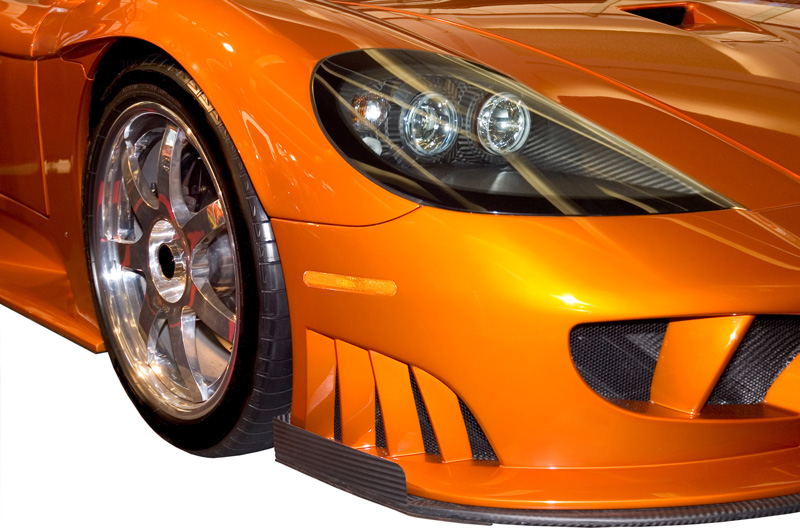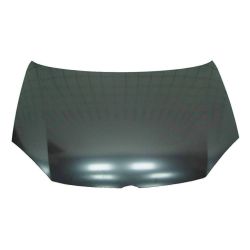
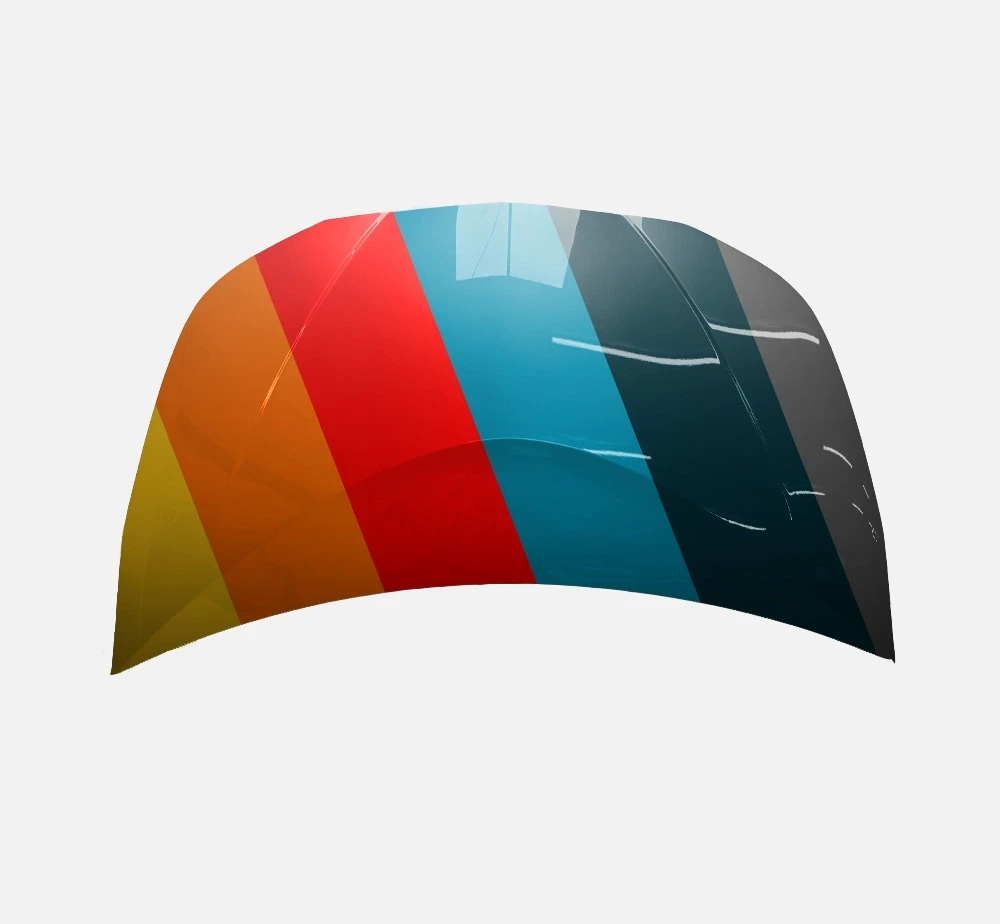


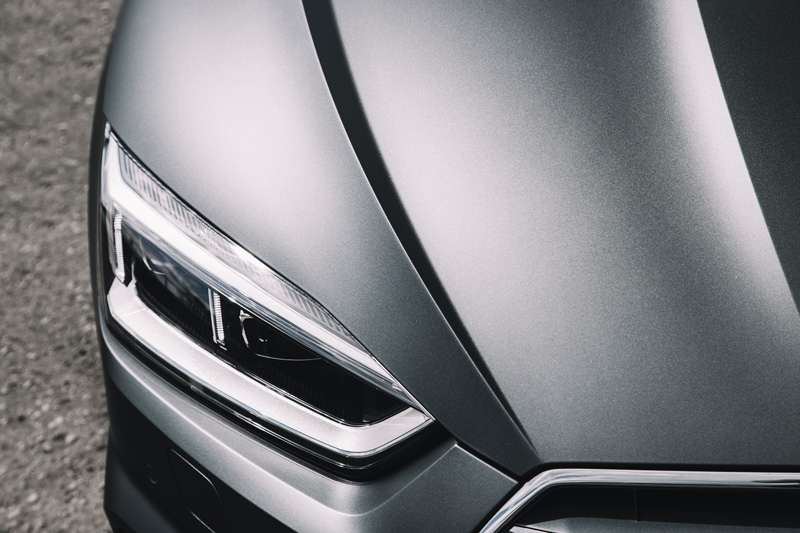
When we talk about automotive customization, selecting the right hood for your vehicle is a significant decision. Your vehicle's hood not only plays a crucial role in protecting the engine and other vital components but also contributes to its overall appearance.
Whether you're a car enthusiast looking to upgrade your ride or simply need a replacement hood, this comprehensive guide will walk you through the essential factors to consider when choosing the perfect hood for your vehicle.
Understanding Vehicle Hoods
Common Materials Used in Hood Construction
Hoods are made from several different materials, each with unique properties:
- Steel: Traditionally the most common hood material, steel offers durability and impact resistance. It is affordable and widely available but heavy, which can slightly reduce performance and fuel efficiency. Steel hoods are ideal for daily drivers who prioritize strength and cost over weight savings.
- Aluminum: Increasingly used in modern vehicles, aluminum is lighter than steel while maintaining solid structural strength. It improves handling and efficiency, making it common in sedans, SUVs, and even performance cars. However, aluminum is more expensive to repair and may dent more easily than steel.
- Fiberglass: Lightweight and highly moldable, fiberglass is popular in the aftermarket world because it allows creative designs and functional features like scoops or vents. On the downside, fiberglass is more brittle than metal and prone to cracking under heavy impact.
- Carbon Fiber: The premium choice for enthusiasts and racing applications, carbon fiber hoods are incredibly light yet extremely strong. This reduces overall vehicle weight, improves responsiveness, and creates a high-performance aesthetic. The trade-off is cost-carbon fiber hoods are among the most expensive options on the market.
Each material presents a trade between weight, cost, strength, and customization potential. Choosing the right one depends on the balance you need between performance and practicality.
Factors Influencing Hood Design
Beyond material, the design of a hood plays an equally important role in its effectiveness:
- Aerodynamics: A hood's shape affects airflow over the car. Streamlined designs reduce drag and improve fuel economy, while more aggressive shapes with bulges or scoops are often optimized for performance cooling.
- Cooling and Ventilation: Performance-oriented hoods may include louvers, vents, or scoops that direct air into or out of the engine bay. These features reduce heat buildup, which is crucial for turbocharged or high-output engines.
- Structural Safety: Many OEM hoods are designed with crumple zones, helping absorb impact energy during a collision. Replacing it with an aftermarket hood that lacks these safety features may affect crash performance.
- Style and Identity: A hood defines the front-end look of the vehicle. Some designs highlight muscle and aggression, while others focus on a sleek, minimalist profile. This balance between function and appearance is key to selecting the right hood.
Types of Vehicle Hoods

OEM (Original Equipment Manufacturer) Hoods
OEM hoods are the safest and most reliable option. Designed specifically for a given make, model, and year, they guarantee perfect fitment and meet factory safety standards. Many OEM hoods also include corrosion protection and factory paint options that match the vehicle's color.
While OEM hoods maintain the car's resale value and authenticity, they tend to cost more than aftermarket replacements. They also offer little room for creative styling, as their purpose is to restore or maintain factory specifications.
OEM hoods are best for daily drivers, leased vehicles, or owners who plan to resell the car and want to keep it in original condition.
Aftermarket Hoods
Aftermarket hoods open the door to variety and personalization. They can be simple replacement parts made from steel or aluminum, or stylish upgrades in fiberglass or carbon fiber.
The appeal of aftermarket hoods lies in the diversity of choices: some mimic OEM designs at a lower price, while others introduce bold features that dramatically change the car's appearance.
However, fitment can be inconsistent. Low-quality aftermarket hoods may require adjustments during installation or fail to align perfectly with factory lines. That said, reputable aftermarket manufacturers deliver reliable fit and performance at a fraction of OEM prices.
These hoods are a great option for owners who want to balance cost, individuality, and availability.
Performance Hoods
Performance hoods are purpose-built to improve vehicle function. Ram air hoods, for example, channel outside air directly into the intake, increasing horsepower. Heat-extracting hoods vent hot air away from the engine bay, preventing overheating during track use. Carbon fiber and aluminum are common materials because they reduce weight and optimize balance.
While performance hoods can transform the driving experience, they often come with higher costs and require professional installation. Additionally, some designs may not be legal in all regions if they obstruct visibility or fail to meet safety standards.
Performance hoods are ideal for enthusiasts, racers, and drivers who demand functional improvements along with a sportier look.
Custom Hoods
Custom hoods take personalization to the next level. They can be one-off builds or limited-production designs featuring sculpted lines, aggressive vents, special finishes, or even illuminated inserts. Popular among show car owners, custom hoods often use fiberglass or carbon fiber for their flexibility and striking appearance.
The downside is cost and practicality. A heavily customized hood may reduce resale value, require ongoing care, and in some cases, compromise daily usability. Nonetheless, for drivers who see their car as an extension of personal identity, a custom hood provides unmatched individuality.
Key Considerations When Choosing a Hood
When selecting a hood, several critical factors must be evaluated:
- Fitment: Always confirm the hood is designed for your specific make, model, and year. Improper fit can lead to vibration, leaks, and misalignment.
- Material: Consider your priorities. Steel offers strength, aluminum balances light weight with durability, fiberglass gives creative options, and carbon fiber maximizes performance.
- Purpose: Match the hood to your driving style. Daily drivers may benefit from OEM or aluminum replacements, while performance cars demand lightweight or vented designs.
- Budget: Costs range from a few hundred dollars for steel or fiberglass hoods to several thousand for carbon fiber. Factor in installation and paint costs as well.
- Installation: Simple replacements may be manageable for experienced DIYers, but hoods with ventilation, scoops, or carbon fiber construction usually require professional installation.
- Maintenance: Painted steel and aluminum hoods require regular waxing to resist corrosion, while carbon fiber hoods need UV-protective coatings to prevent fading.
- Resale Value: OEM and subtle aftermarket hoods maintain resale value, while heavily customized hoods appeal to niche buyers but may limit broader market appeal.
The best hood choice aligns with both your lifestyle and your vehicle's mechanical requirements. Taking time to evaluate these factors prevents costly mistakes and ensures long-term satisfaction.
Final Thoughts
A car's hood is more than a panel, it is a protective barrier, a performance component, and a visual signature. From dependable OEM replacements to bold custom designs and functional performance upgrades, the market offers options for every type of driver.
By carefully considering materials, fitment, budget, and purpose, you can select a hood that enhances your vehicle's safety, efficiency, and style. A well-chosen hood not only protects your investment but also sets your vehicle apart on the road.
FAQs (Frequently Asked Questions)
- What is the primary purpose of a vehicle hood?
- The primary purpose of a vehicle hood is to protect the engine and other crucial components from debris, moisture, and harsh weather conditions.
- Are aftermarket hoods better than stock hoods?
- Aftermarket hoods offer customization options and can enhance performance, but the choice depends on your specific needs and preferences.
- What is the most common material used for aftermarket hoods?
- Fiberglass is a common material for aftermarket hoods due to its lightweight and customizable nature.
- Do customized hoods affect fuel efficiency?
- Depending on the material and design, customized hoods can either reduce or improve fuel efficiency, so it's essential to choose wisely.
- How do I maintain and care for my vehicle's hood?
- Regular cleaning, waxing, and protection from the elements are essential for maintaining the appearance and durability of your vehicle's hood.