
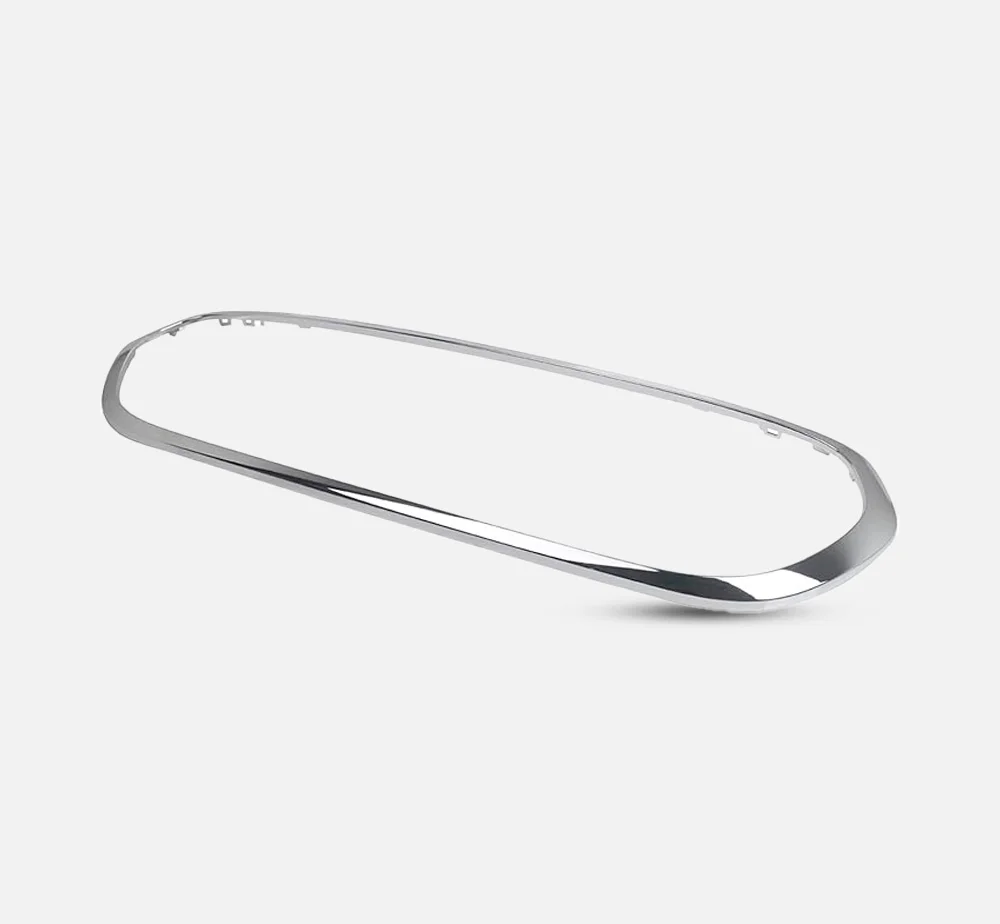


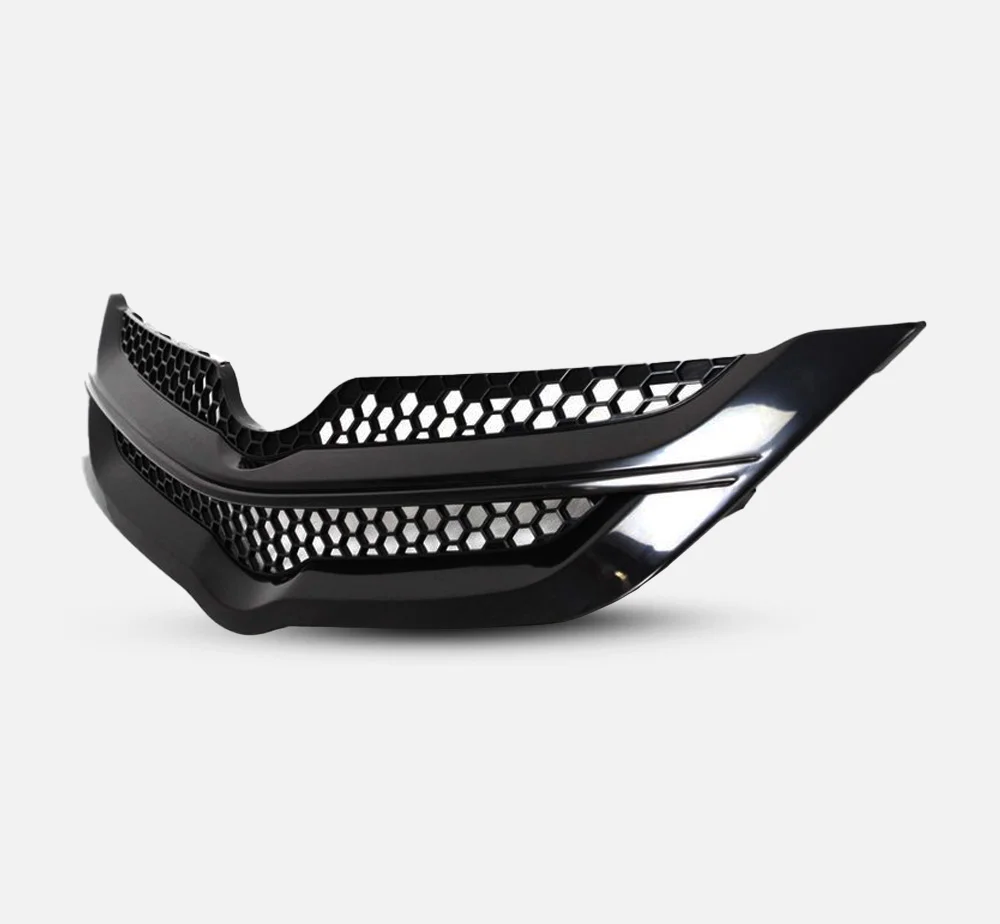
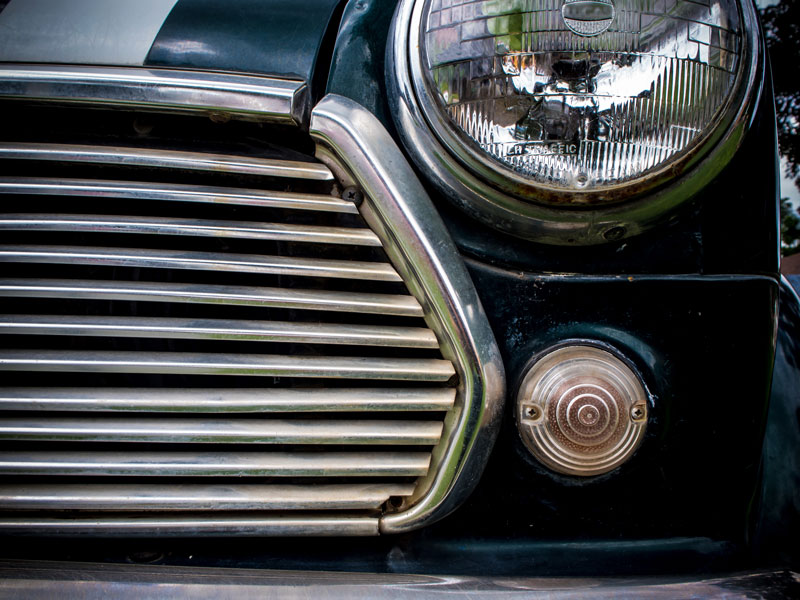
A car's grille is more than a design element. It regulates airflow to the engine bay, shields vital components from debris, and sets the tone for the vehicle's personality.
From rugged trucks to refined sedans, grilles are central to both function and style. Choosing the right type of grille can influence performance, maintenance, and the way your vehicle presents itself on the road.
In this guide, we will explore the most common types of car grilles available today. Each category brings unique strengths and drawbacks, and understanding these differences will help you make an informed choice for your driving needs.
Key Takeaways:
- Grilles affect cooling efficiency, durability, and vehicle aesthetics.
- Options range from factory OEM parts to custom, heavy-duty, and illuminated grilles.
- Each grille type has distinct pros and cons to consider before purchasing.
- Selecting the right grille ensures the best balance of functionality and style.
Ultimately, your grille choice should match both your vehicle's requirements and your personal vision.
OEM Factory Grilles: Reliability and Perfect Fit
Factory grilles are designed by the original manufacturer to fit specific models precisely. They reflect the brand's styling language and are tested to meet durability and safety standards.
Pros:
- Guaranteed fitment with no modification.
- Designed to balance airflow, durability, and crash safety.
- Often painted or finished to match the factory body color.
Cons:
- Limited design options.
- Can be more expensive than aftermarket alternatives.
For drivers seeking factory appearance and peace of mind, OEM grilles remain the most reliable option.
Aftermarket Replacement Grilles: Variety and Personalization
Aftermarket grilles replace the original factory grille with new designs. They range from subtle changes to bold, attention-grabbing styles.
Pros:
- Wide variety of designs, finishes, and materials.
- Often more affordable than OEM.
- Allows for personal styling without major modification.
Cons:
- Fitment quality varies between manufacturers.
- Some designs may reduce airflow compared to OEM.
Aftermarket grilles appeal to drivers who want to customize their vehicle while keeping costs reasonable.
Sport Grilles: Performance-Oriented Styling
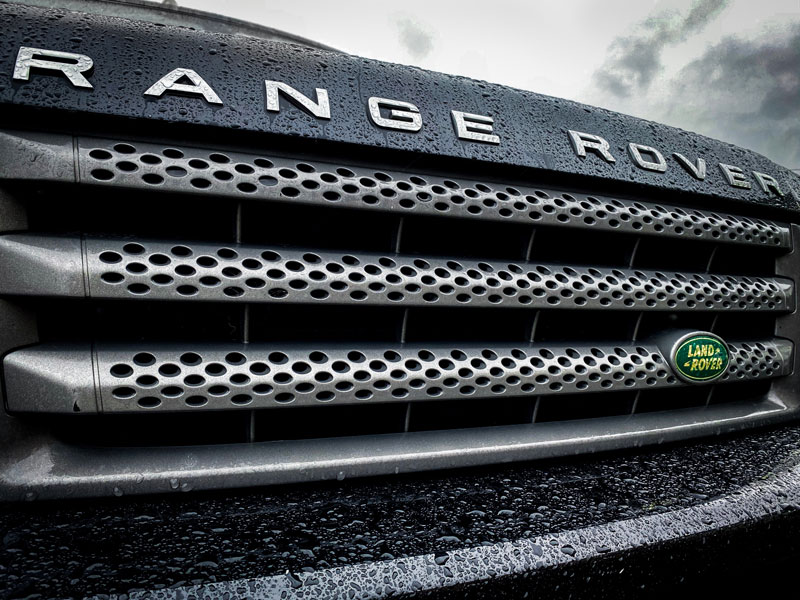
Sport grilles are engineered for high airflow to meet the needs of performance vehicles. They often feature larger openings or specialized shapes that prioritize cooling efficiency.
Pros:
- Superior airflow to support high-output engines.
- Aggressive appearance that complements performance styling.
- Lightweight materials used in many designs.
Cons:
- Less effective at blocking small debris.
- May require more frequent cleaning.
Performance drivers benefit most from sport grilles, as they support cooling during spirited or track driving.
Custom Grilles: Unique Designs and Personal Branding
Custom grilles offer virtually limitless design possibilities. They can feature logos, unique shapes, or artistic patterns, allowing owners to make their car truly one-of-a-kind.
Pros:
- Complete freedom in design and finish.
- Allows integration of brand logos, initials, or patterns.
- Can be built for specific functional goals such as airflow or weight reduction.
Cons:
- Higher cost due to bespoke production.
- Professional installation is often required.
Custom grilles are ideal for enthusiasts who view their vehicle as a canvas for personal expression.
LED Grilles: Modern Style with Added Functionality
LED grilles integrate lighting directly into the grille structure. They are popular with trucks, SUVs, and off-road builds where extra illumination is valuable.
Pros:
- Provides functional lighting for night or off-road driving.
- Creates a modern, futuristic appearance.
- Can be combined with aftermarket light bars.
Cons:
- More complex installation with wiring requirements.
- Higher cost than standard designs.
LED grilles serve drivers who need both added visibility and a bold design upgrade.
Heavy-Duty and Truck Grilles: Built for Tough Environments
Heavy-duty grilles are engineered for maximum protection, often using reinforced steel or aluminum. They are common on trucks and work vehicles that encounter rough conditions.
Pros:
- Strong protection against rocks, debris, and minor impacts.
- Durable construction suitable for off-road or work sites.
- Matches the rugged aesthetic of trucks and utility vehicles.
Cons:
- Heavier than other grille types.
- May restrict airflow compared to performance grilles.
For drivers who prioritize durability, heavy-duty grilles offer peace of mind in harsh environments.
Grille Guards and Brush Grilles: Extra Defense
Grille guards, sometimes called brush grilles, add a protective layer over the existing grille. They are common on off-road vehicles and rural trucks where wildlife or brush encounters are a concern.
Pros:
- Provides a defensive barrier against branches and animal strikes.
- Easy to install over most existing grilles.
- Adds a rugged, off-road look.
Cons:
- Adds weight to the front of the vehicle.
- Can partially obstruct headlights or airflow if poorly designed.
These are practical for drivers in rural areas or those who frequently venture off paved roads.
Grille Inserts: Affordable Styling Updates
Grille inserts are panels or overlays that modify the appearance of an existing grille without replacing the full assembly. They are a cost-effective way to refresh a vehicle's look.
Pros:
- Affordable and easy to install.
- Wide selection of patterns and finishes.
- Can be changed frequently for updated styling.
Cons:
- Does not improve durability or airflow.
- Limited impact on performance.
Inserts are the best choice for drivers seeking quick, inexpensive visual upgrades without extensive modifications.
Why Finding the Perfect Car Grille Matters?
Your car's grille is its front face, shaping first impressions while protecting critical components. The right grille ensures proper airflow to radiators and intercoolers, prevents debris from causing damage, and aligns the vehicle's look with your personal style.
For commuters, an OEM grille may provide the perfect balance of cost and reliability. Performance drivers will benefit from sport or custom options that maximize airflow. Off-roaders should consider heavy-duty or LED grilles that enhance durability and visibility.
By matching the grille type to your driving environment and priorities, you achieve both function and individuality.
Final Thoughts
Car grilles are where engineering meets design. From factory OEM reliability to rugged heavy-duty options or expressive custom creations, each type brings its own strengths.
By considering airflow, protection, style, and budget, drivers can select the grille that best fits their vehicle and lifestyle. As automotive technology evolves, grilles will continue to embody both practicality and identity at the front of every car.
Frequently Asked Questions
- Are these grille types interchangeable among different vehicle models?
- While some aftermarket options might offer adaptability, it's recommended to choose a grille that's specifically designed for your vehicle model for a perfect fit.
- Can I install these grilles myself, or should I seek professional help?
- Installation difficulty varies among grille types. Mesh grilles are relatively easier to install, while billet and honeycomb grilles might require more expertise. Professional installation ensures proper fitment.
- Are these grilles purely decorative, or do they serve functional purposes?
- All three grille types serve functional purposes alongside their decorative aspects. They provide protection to essential components and contribute to the vehicle's overall performance.
- Are there any maintenance tips for keeping these grilles in top condition?
- Regular cleaning is essential to prevent debris buildup. For mesh grilles, use a soft brush; for billet and honeycomb grilles, a gentle wash with mild soap and water works best.
- Can I switch from one grille type to another to give my car a fresh look?
- Yes, you can switch grille types to achieve a new look. However, consider compatibility, installation complexity, and potential modifications before making the switch.
- Do these grille types affect the vehicle's fuel efficiency?
- While the impact is minimal, honeycomb grilles might offer a slightly better advantage due to their optimized airflow design, contributing to efficient engine cooling.