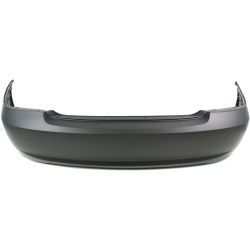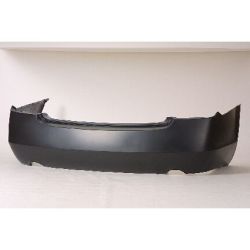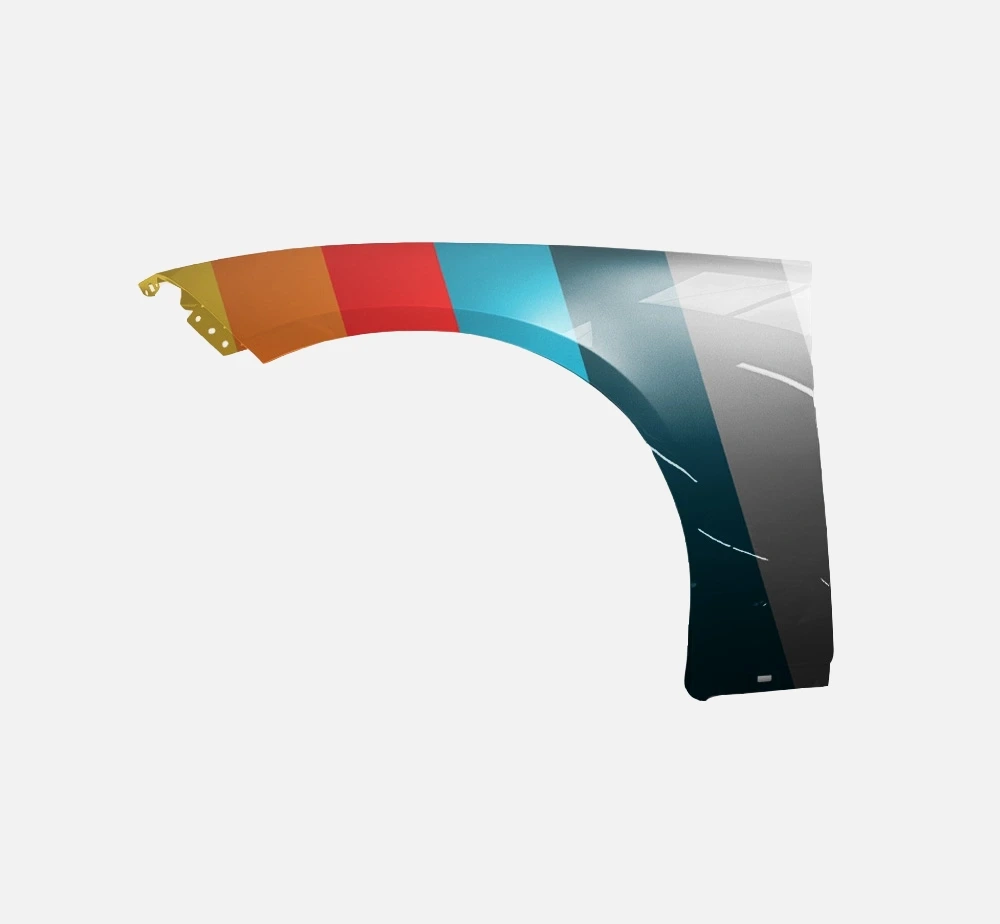

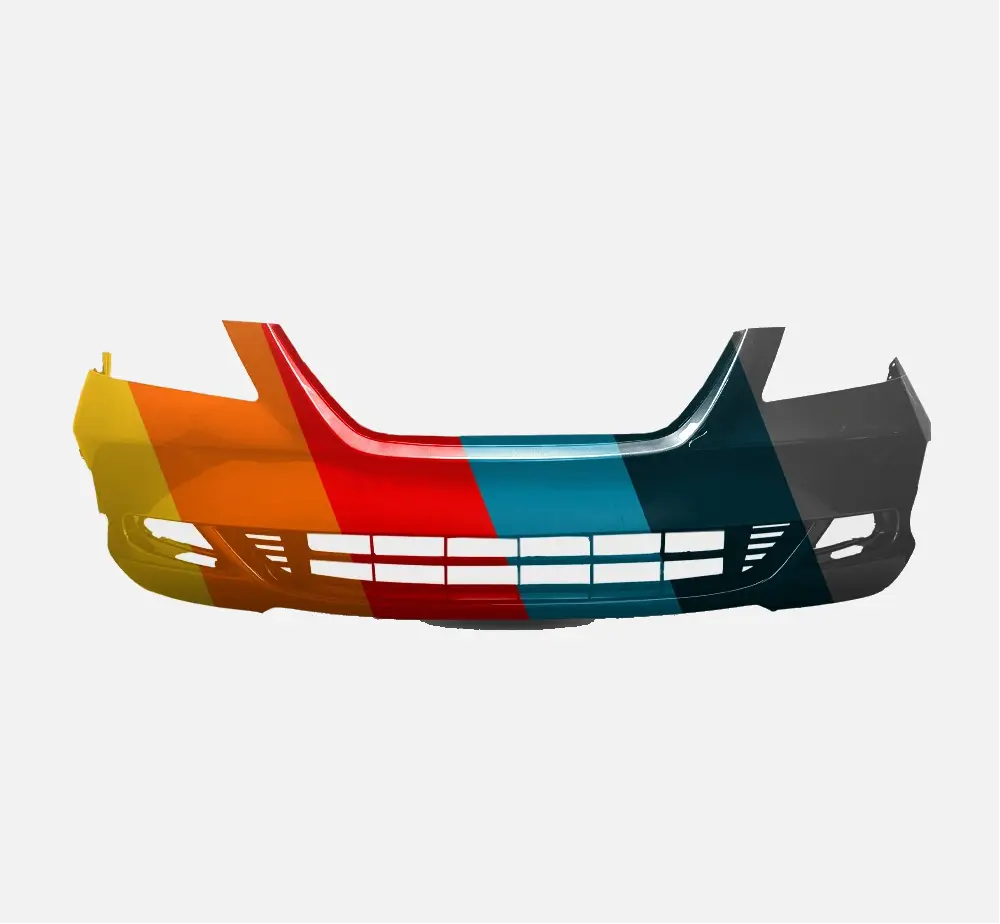



Automotive bumpers have undergone a remarkable transformation over the past century. What began as simple steel bars meant to withstand low-speed bumps has evolved into highly engineered systems that contribute to safety, performance, and vehicle aesthetics.
Today's bumpers are expected to absorb impacts, protect pedestrians, house advanced sensors, and still look visually appealing as part of a vehicle's overall design.
Understanding the latest bumper technologies is valuable for drivers, enthusiasts, and industry professionals alike. From advanced materials to integration with autonomous driving systems, bumpers are at the forefront of automotive innovation.
Key Takeaways:
- Bumper evolution has shifted from basic protection to advanced safety and technology integration.
- Modern materials such as thermoplastics, composites, and aluminum reduce weight while improving strength.
- Pedestrian safety innovations and impact-absorbing systems make bumpers critical to overall crashworthiness.
- The future will see predictive technologies, deployable airbags, and eco-friendly recycling initiatives shaping bumper design.
- Autonomous vehicles rely on bumpers for sensor integration and collision avoidance, expanding their role beyond passive protection.
The Evolution of Bumpers
Historical Perspective
Early 20th-century vehicles often used simple metal bars as bumpers. These were rigid, heavy, and offered minimal impact absorption. Their primary role was ornamental, signaling luxury or sportiness rather than protecting passengers.
By the 1950s, bumpers became integrated into vehicle styling, often covered in chrome for visual appeal. However, their safety contribution was still limited.
As car ownership grew and road networks expanded, collisions became more frequent. Automakers began experimenting with rubber strips, energy-dissipating mounts, and reinforced steel to improve safety. This marked the beginning of the bumper's transformation from a decorative accessory to a functional necessity.
Safety and Regulation
By the 1970s, regulatory agencies such as the U.S. National Highway Traffic Safety Administration (NHTSA) introduced strict rules for bumper performance. Vehicles had to withstand impacts at low speeds without significant damage to lights, hoods, or safety systems.
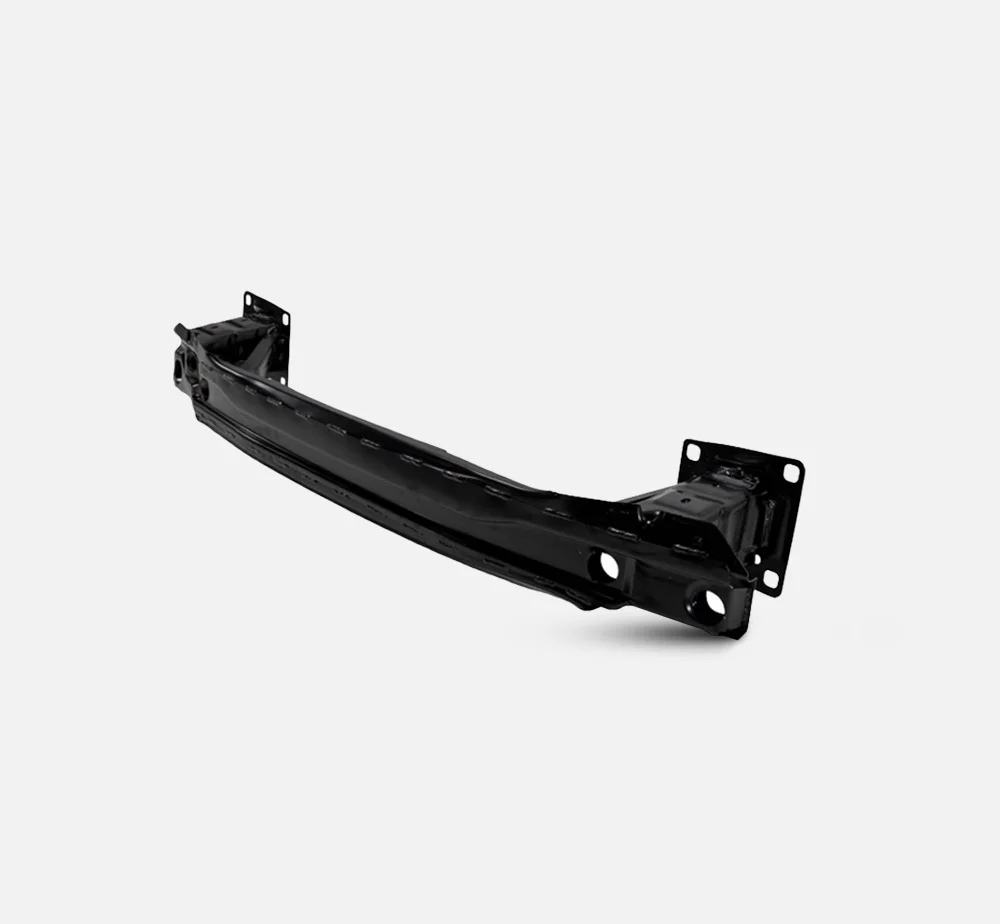
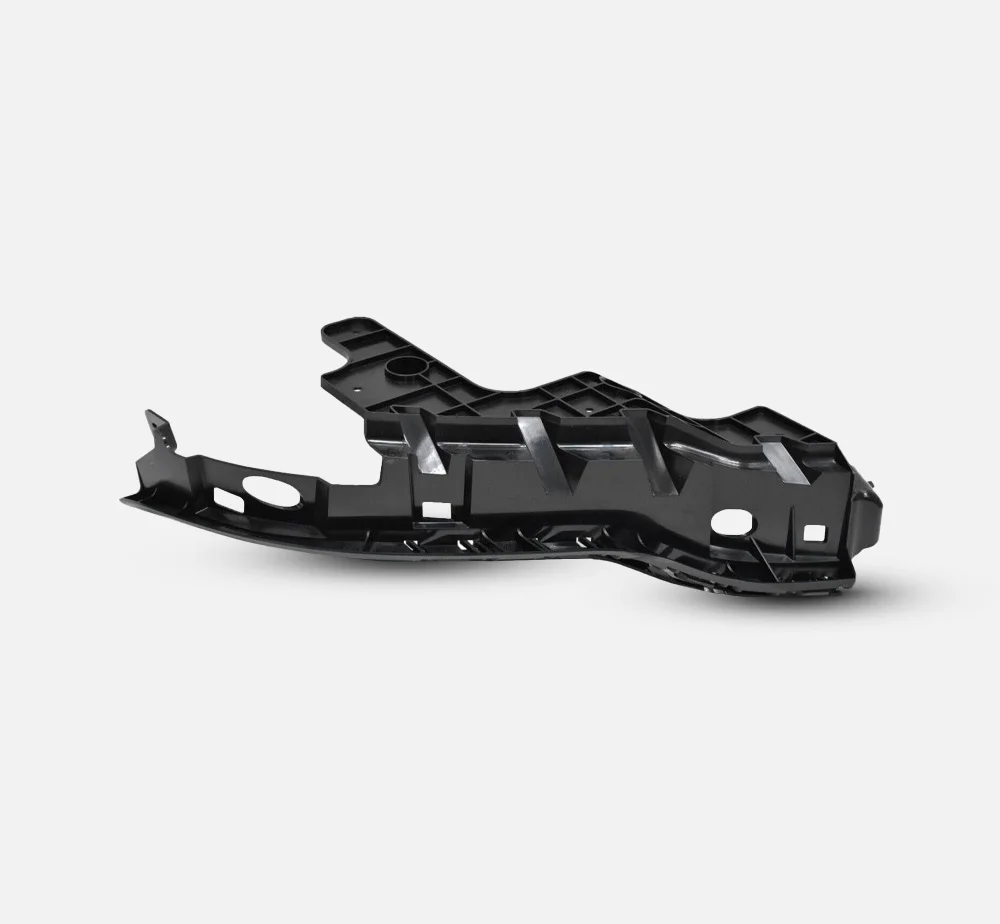
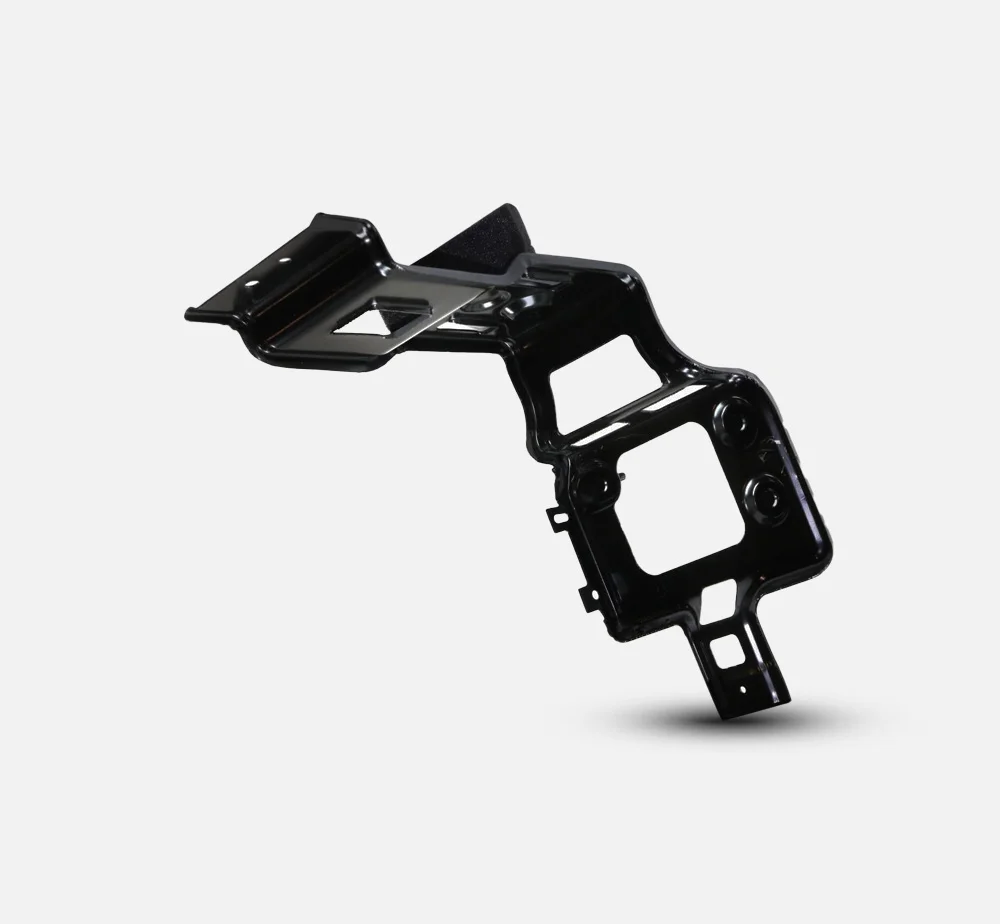
These regulations pushed manufacturers to incorporate energy-absorbing structures, like shock-absorbing mounts and reinforced brackets, behind plastic bumper covers.
Since then, regulations have continued to evolve, with a stronger emphasis on pedestrian protection and crash energy management. Today's bumpers are carefully designed to meet global safety standards, making them critical not only for protecting vehicles but also for safeguarding human lives.
Modern Bumper Design

Materials and Durability
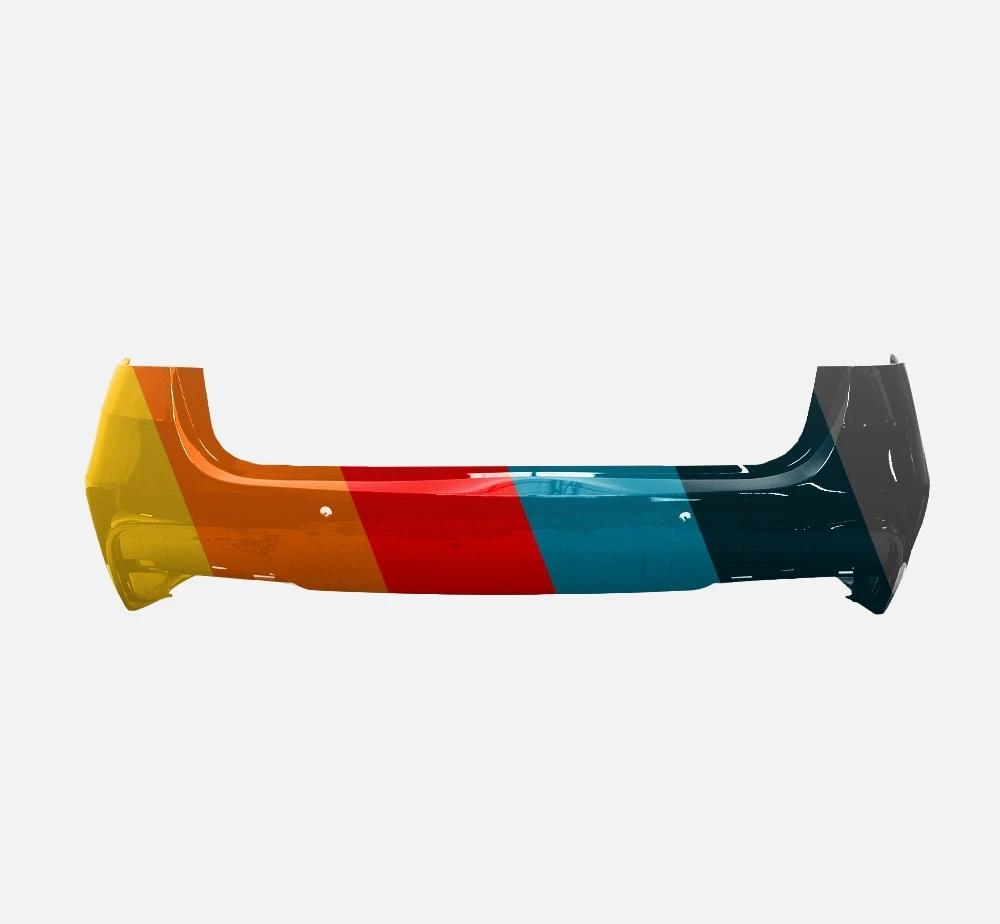
Modern bumpers use multi-layered construction,: an outer fascia, inner reinforcements, and an energy absorber. The outer fascia is typically made from thermoplastic olefin (TPO), polypropylene, or polycarbonate blends, which are lightweight, impact-resistant, and moldable into aerodynamic shapes. Beneath this, aluminum or high-strength steel reinforcements provide structural support.
Some premium vehicles incorporate carbon-fiber-reinforced plastics (CFRP), combining extreme strength with minimal weight. CFRP is especially useful in performance vehicles where every kilogram affects acceleration and handling. Manufacturers are also experimenting with nanocomposite materials, which promise even higher strength-to-weight ratios.
This shift toward lighter yet durable materials is especially critical in electric vehicles, where reducing weight directly translates into greater driving range.
Aesthetics and Customization
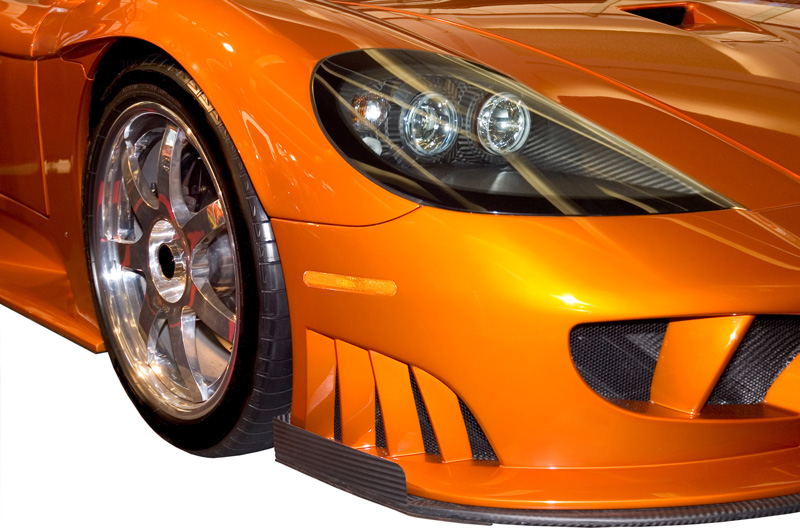
In addition to safety, bumpers have become style-defining features. Modern designs integrate seamlessly into body lines, creating cohesive, aerodynamic looks. Many bumpers include aerodynamic aids, such as air curtains, diffusers, and integrated splitters, which enhance both efficiency and visual aggression.
Customization options are vast in the aftermarket. Car enthusiasts often upgrade to bumpers with bold styling, larger intakes, or carbon-fiber finishes. Others prefer subtle changes, such as paint-matched trims or chrome-delete kits, to refine the car's appearance.
Custom bumpers allow owners to balance individuality with performance, making them one of the most popular exterior modifications.
Advanced Bumper Technologies
Impact-Absorbing Systems
Modern bumpers use advanced engineering to manage crash energy. Foam energy absorbers, thermoplastic honeycombs, and crush cans are strategically placed to deform during impact, absorbing force that would otherwise reach the cabin.
Adaptive systems are also emerging: some bumpers incorporate variable stiffness zones that adjust based on collision speed, offering stronger protection in high-speed impacts while remaining soft enough to mitigate minor bumps.
Luxury brands are experimenting with "smart bumpers" that use sensors to detect impact severity and adjust absorber response in real time. These innovations reduce repair costs while enhancing occupant safety.
Pedestrian Safety Features
Pedestrian safety has become a priority in bumper design.
Features include:
- Deformable outer layers that reduce leg injuries.
- Energy-absorbing foams positioned to cushion lower limbs.
- Pop-up hoods triggered by bumper sensors, creating space above the engine to minimize head injuries.
- External airbags that deploy from the bumper edge to protect pedestrians during impact.
These systems are especially common in European and Asian markets, where pedestrian safety regulations are strict. Such innovations reflect a broader shift in automotive design, where bumpers protect both passengers and those outside the vehicle.
The Future of Bumper Design
Predictive Analysis
Next-generation bumpers will work hand in hand with vehicle AI. Using predictive collision analysis, bumpers could anticipate impacts milliseconds before they occur. Sensors would signal actuators to stiffen absorbers or deploy protective features in preparation. This proactive approach could drastically reduce injuries in both vehicle occupants and pedestrians.
Innovative Concepts
Automakers and research institutions are exploring concepts that once sounded futuristic.
Prototypes include:
- Deployable bumper airbags that inflate externally to cushion both vehicles and pedestrians.
- Shape-shifting bumpers that extend during a crash to increase energy absorption area.
- Self-healing materials that repair scratches or minor dents when exposed to heat or UV light.
These ideas may not yet be mainstream, but they highlight the direction of innovation: bumpers that are active participants in safety rather than passive shields.
Eco-Friendly Bumpers
Sustainable Materials
As sustainability becomes a global priority, automakers are embracing eco-friendly bumper production. Recycled polypropylene and polyethylene are commonly used in outer fascia construction, reducing reliance on virgin plastics. Some companies are experimenting with plant-based composites made from hemp or flax fibers, which offer biodegradability without compromising strength.
Recycling and Environmental Impact
At the end of a vehicle's life, bumpers are increasingly recycled. Thermoplastics can be shredded, melted, and reused for new bumper fascias or other car parts. Some manufacturers are developing closed-loop systems, where old bumpers are collected, processed, and reintroduced into new production cycles. This not only reduces landfill waste but also cuts carbon emissions from manufacturing.
Eco-conscious consumers can expect future bumpers to proudly display their sustainable origins, aligning with the automotive industry's broader shift toward green technologies.
Bumpers and Autonomous Vehicles
Sensor Integration
Autonomous vehicles depend on a network of sensors, many of which are integrated into bumpers. Radar units, ultrasonic sensors, and cameras are often hidden behind bumper fascias to provide 360-degree awareness. For LIDAR systems, transparent plastics or specialized coatings allow accurate signal transmission without interference.
The challenge lies in balancing sensor visibility with durability. Engineers must ensure sensors remain unobstructed while keeping them safe from dirt, debris, and road impacts. Some future designs may feature self-cleaning bumpers with embedded washer systems for sensor lenses.
Collision Avoidance Systems
Bumpers are also critical in active safety systems. When integrated with ADAS, bumpers enable collision avoidance features such as automatic emergency braking and evasive steering. By housing the sensors that detect threats, bumpers play a direct role in preventing accidents altogether, shifting their role from post-crash protection to pre-crash prevention.
As autonomous technology matures, bumpers will serve as the gateway between vehicles and their environments, acting as both protective barriers and sensory interfaces.
Final Thoughts
The bumper has evolved into one of the most technologically advanced exterior components on a vehicle. No longer just steel bars or plastic covers, bumpers now combine safety engineering, sustainability, and advanced sensor integration.
As the industry moves toward electrification and autonomy, bumpers will continue to evolve, taking on predictive features and eco-friendly designs that push the boundaries of both protection and innovation.
For car buyers and enthusiasts, understanding bumper and fender trends is more than trivia, it's insight into where automotive safety and design are headed. The next time you look at a vehicle's front or rear, remember that the bumper is not just about looks. It represents over a century of progress and the future of road safety.
FAQs (Frequently Asked Questions)
- Are modern bumpers stronger than older ones?
- Yes, modern bumpers are designed to be more durable and effective at absorbing impact energy.
- Do customized bumpers affect a vehicle's safety?
- Customized bumpers can be designed with safety in mind and should not compromise the vehicle's protection.
- What materials are used in eco-friendly bumpers?
- Eco-friendly bumpers often use recycled plastics and natural fibers to reduce environmental impact.
- How do bumpers in autonomous vehicles work?
- Bumpers in autonomous vehicles house sensors and play a role in collision avoidance systems.
- What's the most exciting future trend in bumper design?
- Predictive analysis, where bumpers anticipate and adapt to collision scenarios, is one of the most promising future trends.