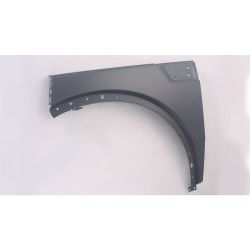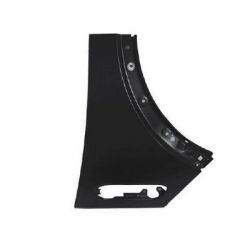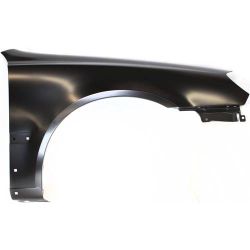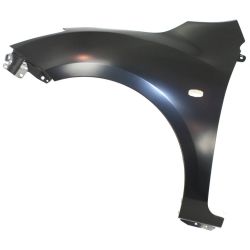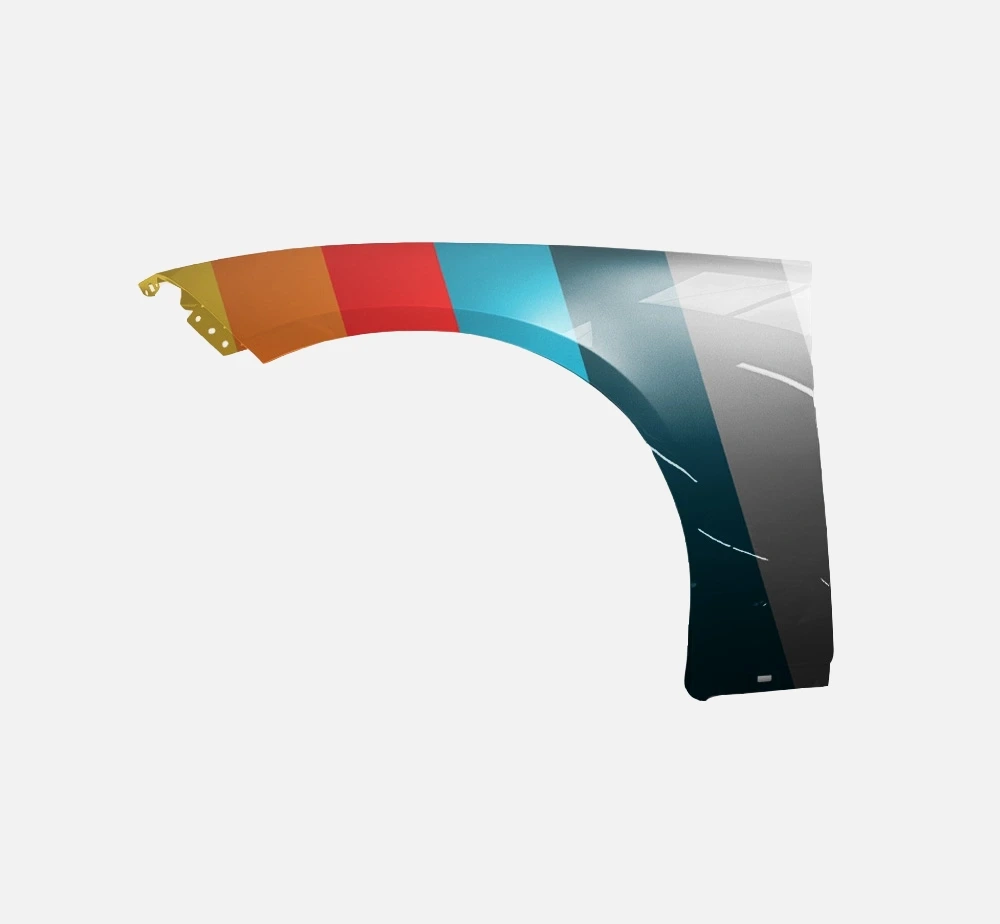


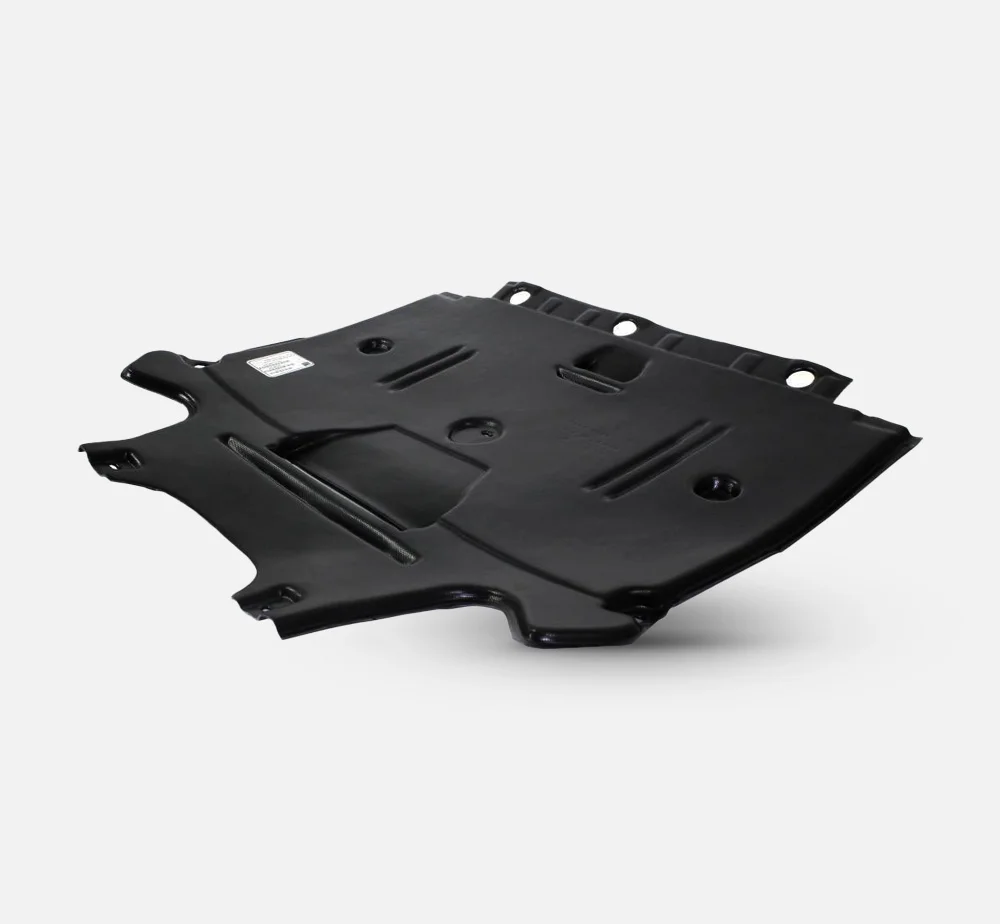
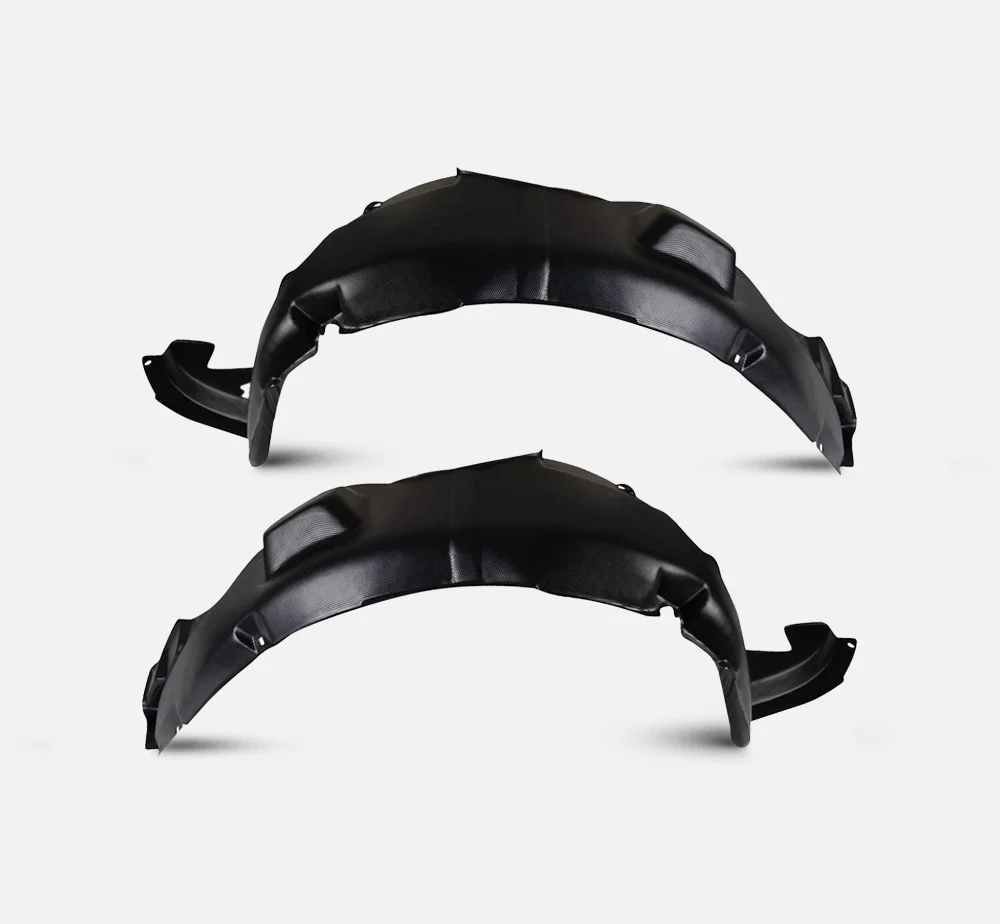
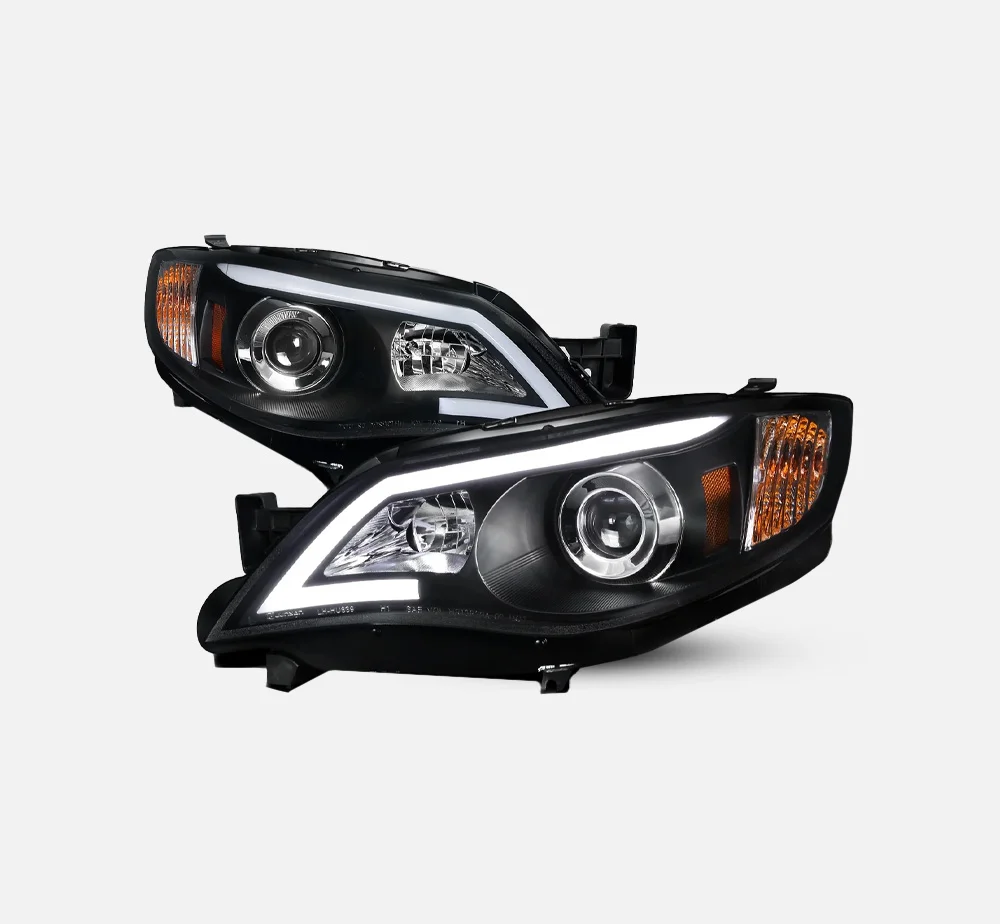
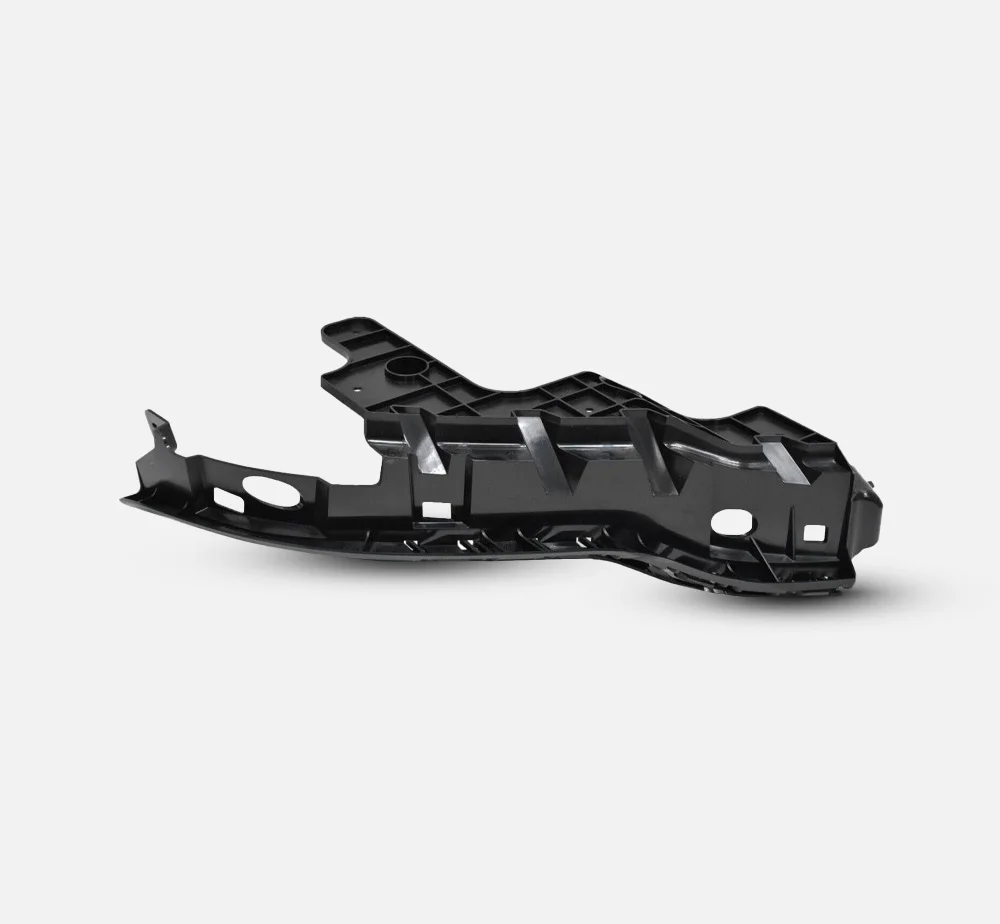



The rapid pace of automotive innovation has pushed fenders to evolve alongside powertrains, lighting systems, and digital safety technologies.
What follows is a closer look at ten of the most important fender design innovations shaping vehicles today. These trends illustrate how materials science, advanced manufacturing, and personalization have transformed a once simple body panel into a cornerstone of automotive identity.
Key Takeaways:
- Fenders now serve as platforms for aerodynamics, safety, and customization.
- Advanced materials like carbon composites and recycled plastics dominate modern designs.
- Integration of LED lighting and smart sensors is reshaping the way fenders support both style and function.
- Design personalization, from textures to color-shifting finishes, gives drivers new creative freedom.
- Eco-friendly solutions and adaptive fender technologies are becoming mainstream.
The message is clear: fenders are no longer afterthoughts. They are at the center of design innovation, combining protection with style and advanced functionality.
1. Aerodynamic Sculpting for Performance
Manufacturers now devote significant research to shaping fenders with aerodynamic precision. By directing airflow more efficiently, sculpted fenders reduce turbulence around the wheel arches, which are historically among the most disruptive areas for drag.
For high-performance cars, these refined contours can improve stability above 100 mph, keeping the vehicle firmly planted. Even mainstream sedans and SUVs benefit through better fuel efficiency and quieter cabins at highway speeds.
Designers use computational fluid dynamics and wind tunnel testing to refine these forms, ensuring beauty and performance coexist on the same panel.
2. Smart Fenders with Integrated Sensors
Safety systems require clean sensor placement, and fenders have become the ideal housing for radar, lidar, and ultrasonic devices. These sensors provide data for blind-spot alerts, adaptive cruise control, and autonomous driving features.
Embedding them inside the fender eliminates protruding modules that once spoiled clean exterior lines. The challenge for manufacturers lies in maintaining panel durability while ensuring that signals pass through without interference.
Current innovations use specialized plastics and coatings that allow accurate signal transmission while protecting delicate electronics from road debris, heat, and water exposure.
3. Carbon Fiber and Composite Innovations
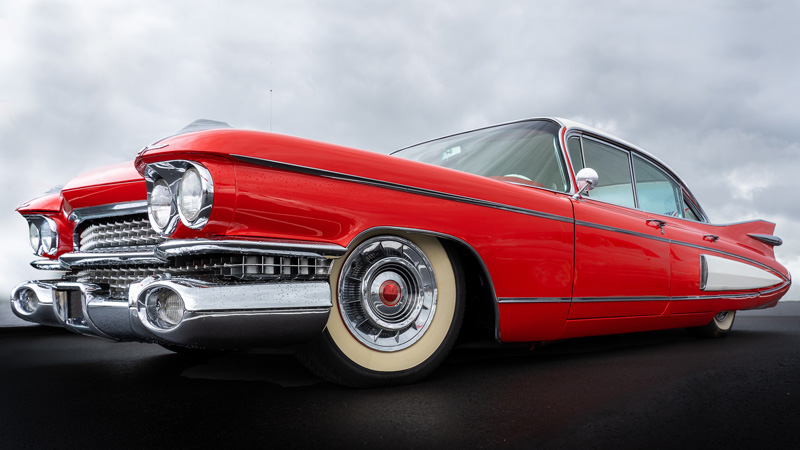
Carbon fiber fenders were once the domain of exotic supercars, but the technology is filtering into wider markets through hybrid composites. A typical steel fender may weigh five to seven kilograms, while carbon fiber alternatives often weigh less than half.
This weight reduction improves handling and fuel economy, especially in performance models. Beyond pure carbon, newer composites blend natural fibers or recycled carbon with polymers to reduce cost while retaining structural strength. Luxury SUVs are beginning to adopt these hybrid composites, creating a mix of elegance, durability, and efficiency.
4. Widebody and Modular Fenders
Enthusiasts have embraced widebody fenders as a way to emphasize power and road presence. By extending the car's stance, widebody designs accommodate oversized wheels and aggressive suspension setups.
They often form part of full kits that include side skirts and redesigned bumpers, creating a unified appearance. More recently, modular fenders have introduced flexibility. A driver may install narrower daily-use panels during the week, then switch to wider arches for track days or off-road weekends.
This adaptability highlights a shift toward practical customization, where a single vehicle can change its character without permanent alterations.
5. Eco-Friendly Materials and Recycled Plastics
As the automotive industry seeks to cut emissions across the entire supply chain, eco-fenders are gaining ground. These panels often use recycled polypropylene, plant-based resins, or fibers from hemp and flax. While earlier attempts at eco-materials lacked durability, today's composites are weather-resistant, impact-tested, and UV stable.
Manufacturers present these as part of a vehicle's overall sustainability package, appealing to environmentally conscious buyers. In electric vehicles, eco-fenders align perfectly with the brand identity of efficiency and responsibility, proving that green technology extends beyond the drivetrain.
6. LED-Embedded and Illuminated Fenders
Lighting has moved from the front and rear of vehicles to their sides, with LEDs now integrated into fenders. Thin, weatherproof strips highlight wheel arches, acting as running lights and enhancing visibility at night.
Some systems synchronize with turn signals or braking, improving communication with other drivers. On high-end models, illumination ties into interior ambient lighting, allowing coordinated themes across the entire car. This not only enhances safety but also builds a futuristic impression that resonates strongly with younger buyers and tech enthusiasts.
7. Adaptive and Folding Fender Designs
Urban parking pressures and performance demands are driving interest in fenders that physically change shape. In compact city cars, folding fenders reduce width by several inches, allowing vehicles to slip into tight spots.
In performance applications, active fenders extend or retract at high speeds to optimize downforce and reduce drag. These designs rely on lightweight hinges, actuators, and flexible materials that can withstand thousands of cycles without fatigue.
Though still relatively rare, adaptive fenders represent the future of cars that respond dynamically to different driving environments.
8. Textured and 3D-Printed Surfaces
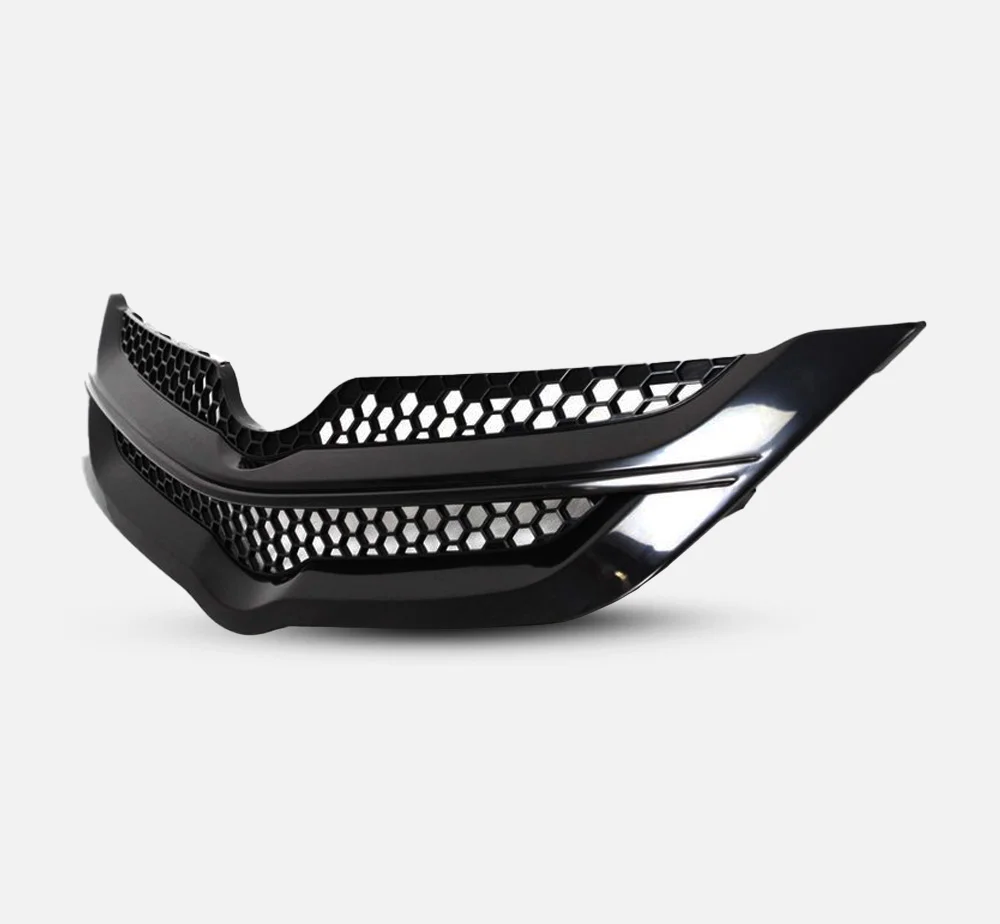
3D printing has revolutionized prototyping and is now entering mainstream production. With this technology, fenders can feature complex surface textures that add tactile interest and visual depth. Patterns range from honeycombs to subtle ridges that catch sunlight differently throughout the day.
Beyond aesthetics, textured surfaces can also help disguise small scratches or reduce the visibility of dust. Custom shops now offer one-off 3D-printed fenders tailored to a customer's design, ensuring a unique look that traditional manufacturing cannot replicate. This combination of technology and artistry elevates personalization to new levels.
9. Color-Shifting and Smart Coatings
Paint technology is undergoing a revolution, and fenders are prime candidates for showcasing it. Electrochromic coatings allow panels to shift from deep blue in daylight to metallic silver at night. Nanoparticle-based paints can resist scratches and repair themselves under heat, making vehicles easier to maintain.
Manufacturers also experiment with temperature-reactive paints that brighten in sunlight to reduce heat absorption, helping keep cabins cooler. For car owners, these smart coatings offer both practicality and the thrill of driving a vehicle that constantly changes its appearance in response to the environment.
10. Artistic Customization and Personal Graphics
Perhaps the most expressive trend comes from artistic fender customization. Digital printing and vinyl wraps make it possible to cover fenders with bold artwork, from geometric patterns to photorealistic images.
Some owners opt for subtle engraving or laser etching to add fine details, while others embrace large-scale graphics that turn the entire car into a moving mural. This level of personalization transforms vehicles into personal statements, ensuring that no two cars look alike.
The rise of subscription-based wrapping services even allows drivers to change designs seasonally, treating cars like fashion accessories.
Final Thoughts
The fender has evolved far beyond its original role as a protective barrier. Today it embodies innovation, technology, and personal expression. Aerodynamics enhance efficiency, smart sensors protect passengers, and eco-materials reduce environmental impact.
At the same time, artistic graphics, adaptive designs, and futuristic coatings ensure that cars stand out on the road. These ten trends reflect the broader direction of automotive design, where every surface of a vehicle carries meaning and function.
As technology continues to advance, fenders will remain at the center of this transformation, bridging performance with individuality.
Frequently Asked Questions
- Are carbon fiber fenders worth the investment?
- Carbon fiber fenders are an excellent investment for car enthusiasts seeking lightweight and high-performance materials. They not only enhance the vehicle's appearance but also contribute to better handling and improved fuel efficiency.
- How can I maintain matte-finished fenders?
- Matte finishes require special care to retain their appearance. Avoid using harsh chemicals or abrasive materials during cleaning. Instead, opt for a gentle, microfiber cloth and pH-balanced cleaning products specifically designed for matte surfaces.
- Do fender flares affect the vehicle's fuel efficiency?
- Fender flares, while adding a robust appearance, may have a slight impact on aerodynamics. However, the difference in fuel efficiency is generally negligible, and the added benefits of improved tire clearance and protection outweigh this factor for many off-road enthusiasts.
- Can I install fender flares on my own?
- While some fender flare kits offer straightforward installation, it is recommended to seek professional assistance to ensure a proper fit and finish. Improperly installed fender flares may lead to water leaks or improper alignment.
- Are widebody fenders street legal?
- Widebody fenders are typically street legal, provided they comply with local regulations regarding vehicle width and tire coverage. It's crucial to verify legal requirements in your region before installing widebody fenders.
- How can I add texture to my fenders?
- If you're interested in adding texture to your fenders, consider working with a skilled automotive customization shop. They can utilize techniques like 3D printing or custom embossing to achieve the desired tactile effect.