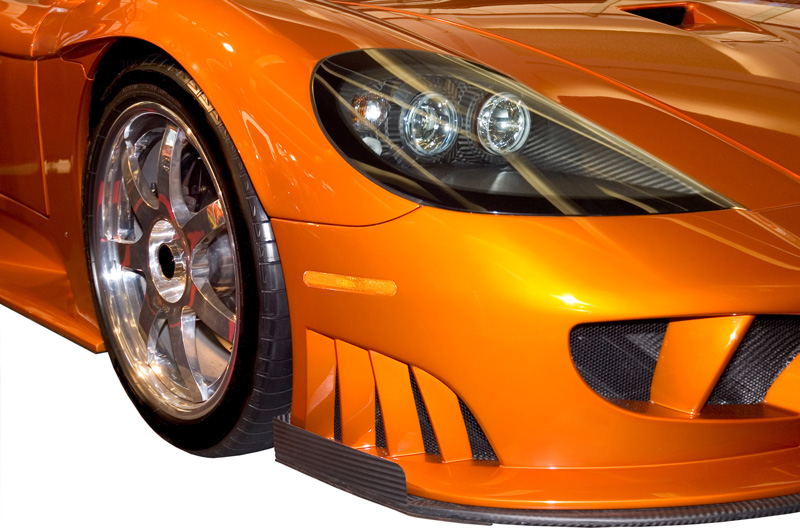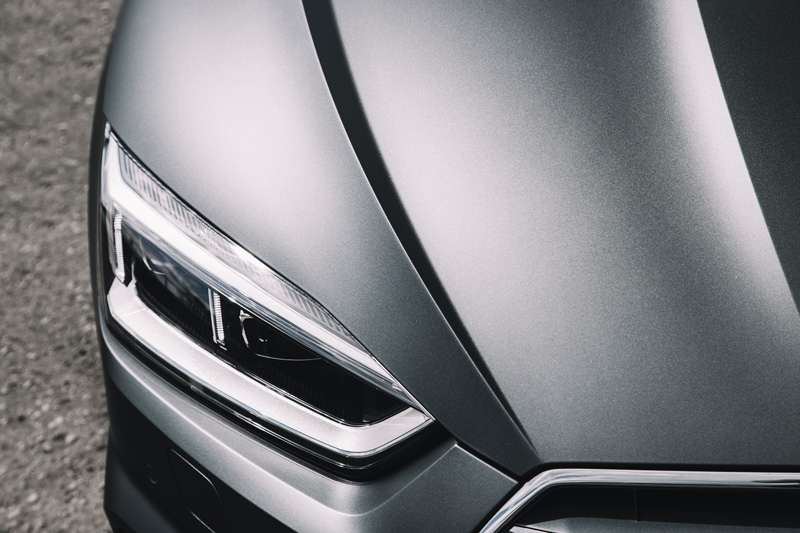


The hood is one of the most recognizable parts of any vehicle. More than a simple cover for the engine bay, it acts as a shield against the elements, a platform for styling, and in many cases, a performance-enhancing feature.
In 2025, hood design continues to evolve, combining lightweight materials, advanced aerodynamics, and personalization options that allow car owners to tailor their vehicles to their needs.
Whether you drive a family sedan, a high-performance sports car, or a customized show vehicle, understanding hood styles helps you make better decisions about upgrades, replacements, and maintenance.
Key Takeaways:
- Car hoods affect safety, cooling, aerodynamics, and aesthetics.
- Common styles include flat stock hoods, vented hoods, power bulges, carbon fiber hoods, fiberglass hoods, and custom aftermarket designs.
- Materials like steel, aluminum, fiberglass, and carbon fiber each carry unique trade-offs in cost, durability, and weight.
- Hood selection depends on vehicle type, performance needs, climate conditions, and personalization goals.
- The industry is shifting toward lightweight composites and sustainable manufacturing practices for future hood designs.
Flat or Stock Hoods
Flat or stock hoods are the standard factory option supplied by manufacturers. They are designed to meet crash safety standards, integrate with the vehicle's styling, and provide sufficient space for factory engine setups. Most are built from stamped steel, although aluminum is becoming more common in modern cars because it reduces weight while maintaining strength.
Flat hoods are not flashy, but they are practical. They are engineered with crumple zones that help absorb energy during collisions, improving passenger safety. They also undergo rigorous testing for durability, corrosion resistance, and fitment precision.
While flat hoods may lack the aggressive look of performance upgrades, they are the best option for daily drivers who prioritize cost, OEM fit, and longevity. They are also easier to repair or replace after minor accidents, making them the most practical style for long-term ownership.
Vented and Heat Extractor Hoods
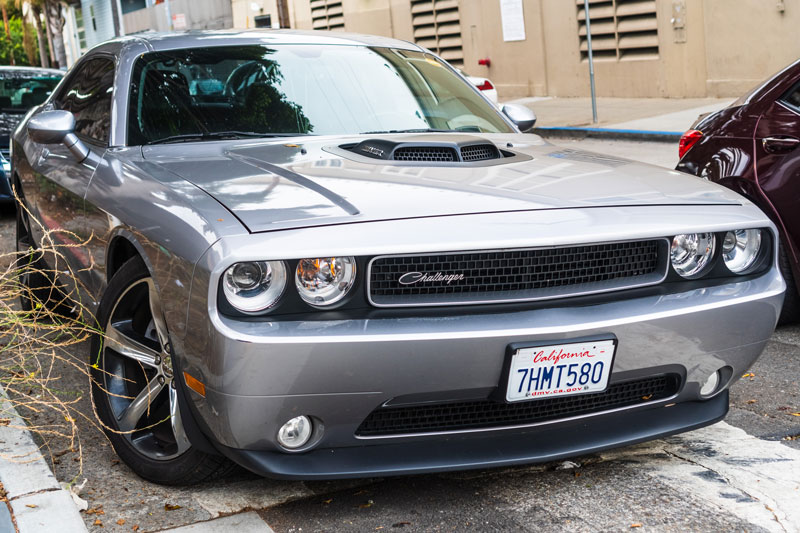
Vented hoods feature openings or louvers designed to improve airflow into and out of the engine bay. Heat extractor hoods, specifically, help remove hot air generated by high-performance engines, turbochargers, and intercoolers.
The benefits of vented designs are twofold. First, they reduce engine bay temperatures, which helps maintain consistent horsepower and extends the life of components like spark plugs, gaskets, and ignition coils. Second, they can improve aerodynamics by channeling airflow more efficiently across the vehicle.
Performance vehicles such as sports coupes, rally cars, and track-day builds often use heat extractor hoods. They are also popular aftermarket upgrades for drivers who tow heavy loads or live in hot climates where cooling efficiency is critical.
However, they require careful design, as poorly placed vents may allow water or debris into the bay. Many aftermarket vented hoods incorporate drainage systems to mitigate this issue.
Power Bulge Hoods
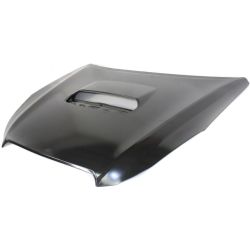
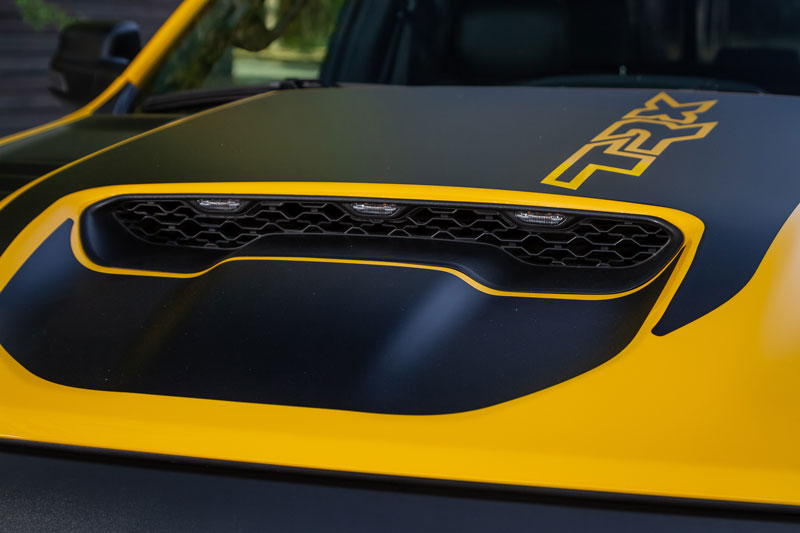
Power bulge hoods are designed with a raised center section, providing additional clearance for larger intake manifolds, carburetors, or superchargers. They are one of the most recognizable features of muscle cars from the 1960s and 70s, and their legacy continues in modern performance vehicles.
The raised design is not just for looks, it allows for greater airflow into the intake system, improving combustion efficiency. The bulge can also accommodate aftermarket modifications such as forced induction systems that require more space than a flat OEM hood can provide.
Today, power bulge hoods appear on many high-performance sedans and sports cars. Manufacturers often use subtle bulges to convey strength and capability, even if no additional clearance is required. For enthusiasts, installing a bulged hood creates a bold statement while preparing the vehicle for future engine upgrades.
Carbon Fiber Hoods
Carbon fiber hoods are highly sought after for their combination of lightweight performance and premium aesthetics. They weigh significantly less than steel or even aluminum hoods, making them ideal for performance applications where reducing mass improves acceleration, braking, and handling.
In addition to their functional benefits, carbon fiber hoods feature a distinct weave pattern that has become synonymous with motorsport and luxury performance. Many owners choose to leave carbon fiber unpainted with a clear coat, showcasing the material's natural texture.
The downside is cost. Carbon fiber remains one of the most expensive hood materials due to its complex manufacturing process. While it is exceptionally strong, it is also brittle, meaning it may crack or splinter under severe impact rather than bending like steel or aluminum.
For performance drivers, track enthusiasts, and owners of high-end cars, carbon fiber hoods offer the ultimate blend of function and form. They also represent the cutting edge of hood design, with manufacturers experimenting with recycled fibers and hybrid composites to reduce environmental impact.
Fiberglass Hoods
Fiberglass hoods provide an affordable alternative to carbon fiber while still offering weight savings compared to steel. Because fiberglass is easy to mold, it allows for bold, custom designs with scoops, vents, and aggressive contours.
Enthusiasts often choose fiberglass hoods when customizing their vehicles for shows or performance builds. They are lighter than steel and generally cheaper than carbon fiber, making them a practical choice for drivers on a budget.
However, fiberglass is not as strong as metal. It can crack under stress and may require reinforcement to withstand regular use. Surface finish also matters: without proper priming and painting, fiberglass hoods may appear less refined than factory metal hoods.
Despite these drawbacks, their affordability and design flexibility make fiberglass a popular option in the aftermarket world.
Custom and Aftermarket Hoods
Custom and aftermarket hoods are where creativity flourishes. These hoods can combine multiple styles such as a vented power bulge made from fiberglass or carbon fiber-or introduce entirely new designs tailored to the owner's vision.
Aftermarket suppliers offer a vast range of options, from subtle OEM-style replacements to show-ready hoods with aggressive scoops, transparent panels, or integrated lighting. Some manufacturers even produce hoods with aerodynamic flaps or ducting for motorsport applications.
The main challenge lies in quality and fitment. Not all aftermarket hoods meet the same safety standards as OEM parts, and poor fit can cause misalignment, vibration, or latch issues. Choosing reputable brands and investing in professional installation ensures that a custom hood enhances the car rather than compromising it.
Hood Styles in Modern Performance Cars
Manufacturers often blend hood styles to balance performance with everyday usability.
For example:
- Sports cars may use vented aluminum hoods to improve cooling without sacrificing strength.
- Muscle-inspired sedans often feature subtle power bulges to evoke performance heritage.
- High-performance SUVs incorporate lightweight aluminum or carbon fiber hoods to offset weight and maintain handling balance.
- Electric vehicles experiment with lightweight composites, compensating for the added mass of batteries.
In racing, hood design is critical for airflow management. Hoods with extractors, scoops, and ducts are tuned to reduce drag, cool brakes, and direct airflow around critical components. Motorsport applications highlight the engineering potential of hood design as much as its visual impact.
Environmental Considerations in Hood Design
Sustainability is reshaping how hoods are built. Steel remains highly recyclable, but its production has a high carbon footprint. Aluminum is lighter and more recyclable, making it a better choice for eco-conscious buyers.
Fiberglass presents challenges for recycling, but some suppliers now use bio-resins to reduce environmental impact. Carbon fiber is energy-intensive to manufacture, though advances in reclaimed fibers and hybrid composites offer more sustainable solutions.
Consumers can make environmentally conscious choices by selecting hoods made from recycled metals or supporting aftermarket brands that prioritize eco-friendly production methods. This shift toward green materials reflects the automotive industry's broader commitment to sustainability.
Final Thoughts
Car hoods are more than covers, they are functional, aesthetic, and increasingly technological components that influence how vehicles perform and look.
From the practicality of flat stock hoods to the performance gains of vented and power bulge designs, and from the lightweight benefits of carbon fiber to the affordability of fiberglass, each style serves a unique purpose.
Choosing the right hood comes down to balancing durability, cost, performance, and style. As materials science advances and sustainability becomes a priority, hood design will continue evolving into an even more integral part of automotive identity.
FAQs (Frequently Asked Questions)
Can I install a Cowl Hood on any vehicle?
- While possible, it's essential to consider compatibility and potential modifications for a seamless fit.
Do Ram Air Hoods really improve performance?
- Yes, by directing cool, dense air into the engine, Ram Air Hoods can enhance horsepower and torque.
What's the main advantage of a Shaker Hood?
- The Shaker Hood's protruding air intake contributes to improved engine performance and a distinctive look.
Are Crossover Hoods a popular choice among car enthusiasts?
- Yes, Crossover Hoods offer a unique blend of aesthetics and performance, appealing to a wide audience.
How often should I wax and maintain my customized hood?
- Regular maintenance, including waxing and cleaning, is recommended to preserve the appearance and durability of a customized hood.