







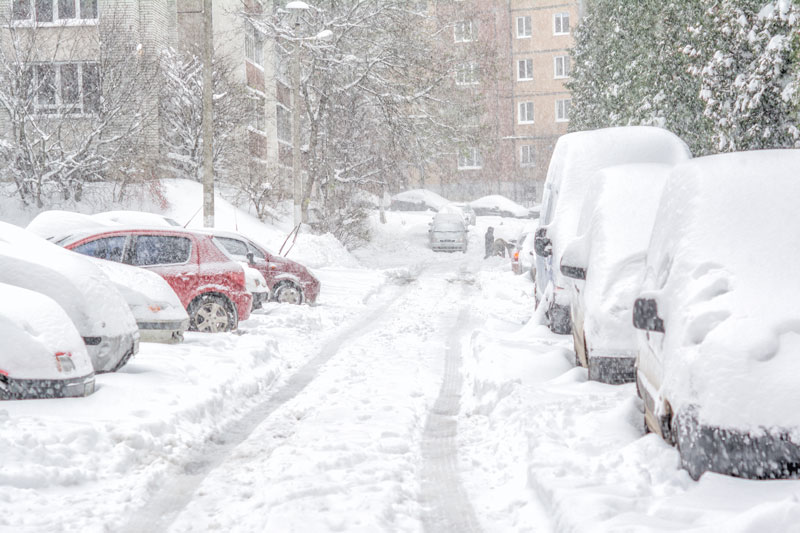
Winter is here, and as the temperatures drop, it's essential to ensure your car is ready for the challenges that cold weather brings. From frosty mornings to icy roads, preparing your vehicle can make a significant difference in its performance and your safety on the road.
Check the Battery
One of the first things affected by cold weather is your car's battery. The low temperatures can reduce its efficiency, making it harder for the engine to start. To avoid being stranded in the cold, check your battery's health regularly. Clean the terminals and ensure a secure connection. Consider investing in a battery warmer if you live in an extremely cold climate.
Inspect the Tires
Proper tire maintenance is crucial for winter driving. Cold weather can lead to a drop in tire pressure, affecting traction on slippery roads. Check the tire pressure regularly and inspect the tread depth. Consider switching to winter tires for enhanced grip in icy conditions. Don't forget to examine the spare tire as well.
Antifreeze and Coolant Levels
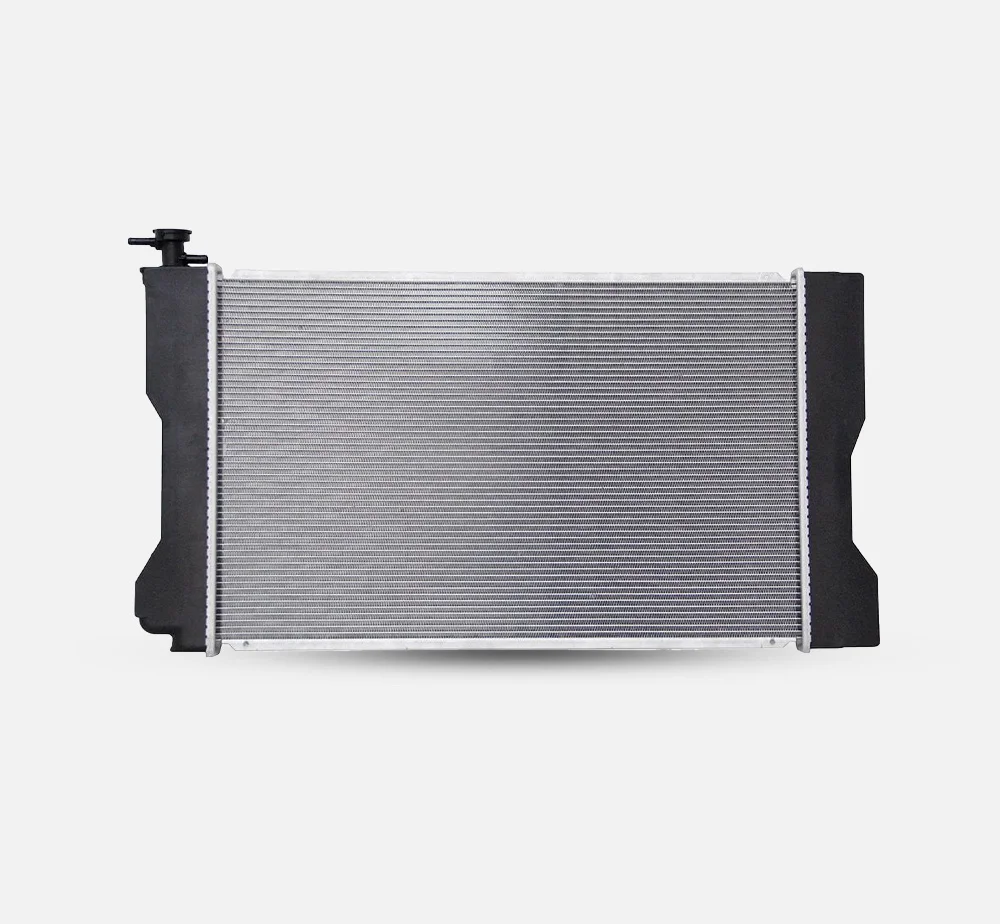
Antifreeze plays a vital role in preventing the engine and radiator from freezing. Check the antifreeze levels and top up if necessary. Additionally, ensure the coolant is at the recommended ratio. This simple step can prevent costly damage to your vehicle's engine during freezing temperatures.
Engine Oil Inspection
Cold weather can thicken the engine oil, making it less effective. Check the oil levels and consider switching to a winter-grade oil if needed. Regular oil changes are crucial for maintaining your engine's health, especially in colder climates.
Heating and Cooling Systems
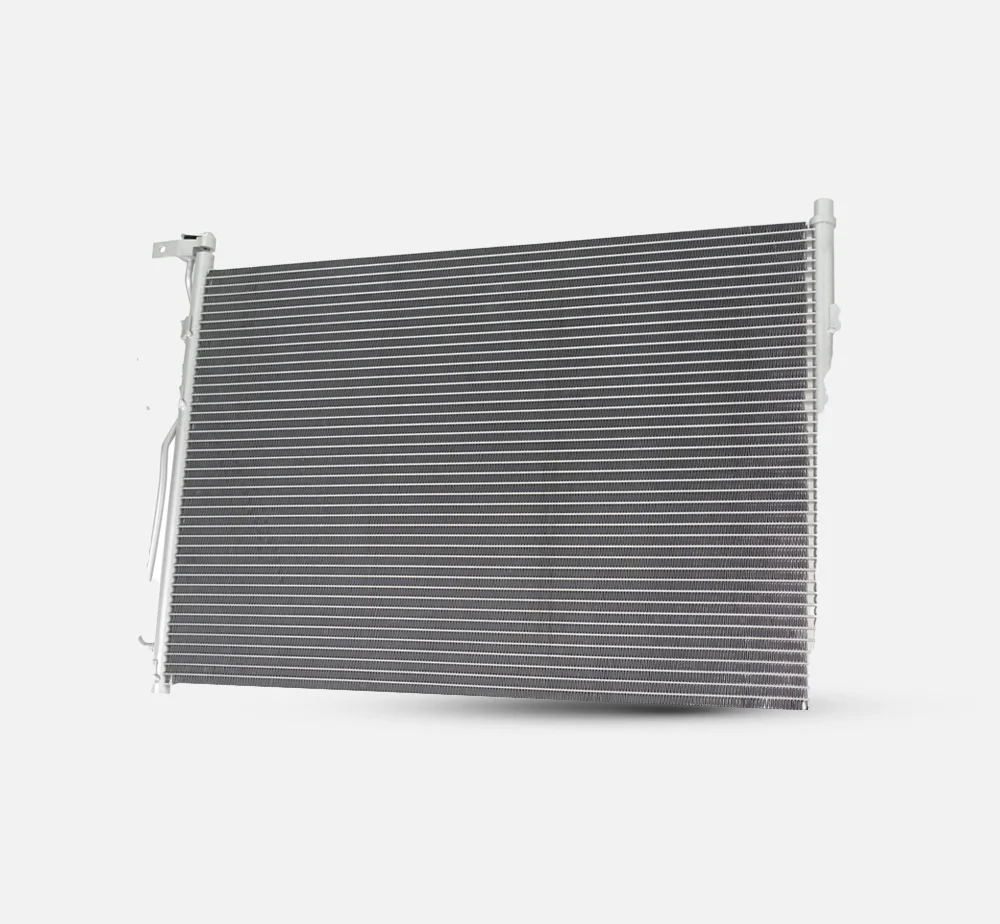
Your car's heating and cooling systems play a crucial role in winter comfort. Test the heater and defroster to ensure they are working correctly. Check the coolant levels and flush the system if needed. A well-functioning heating system not only keeps you warm but also prevents engine damage due to extreme cold.
Examine the Brakes
Brake inspection is crucial year-round, but it becomes even more critical in winter. Icy roads require responsive brakes. Check the brake pads, rotors, and brake fluid levels regularly. If you notice any issues, address them promptly to ensure your safety on winter roads.
Wiper Blades and Fluid
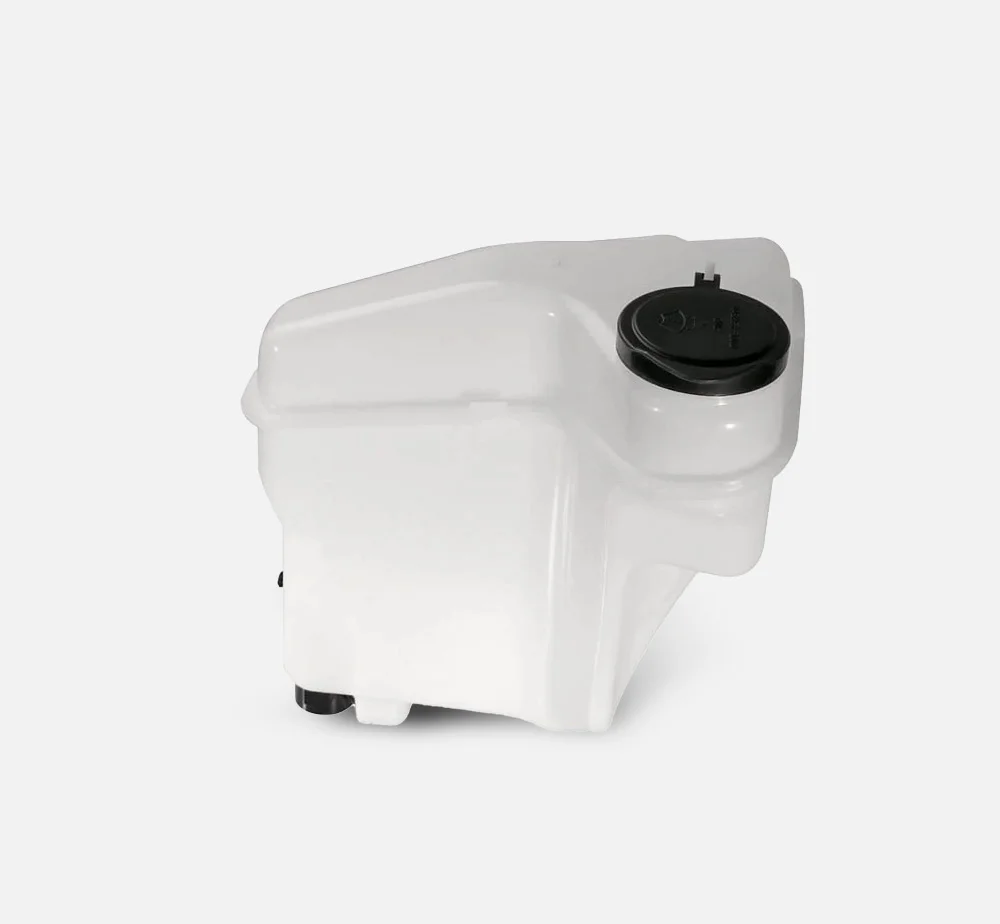
Effective wiper blades are essential for visibility in snowy or rainy conditions. Inspect the wiper blades for wear and tear, and replace them if needed. Ensure the windshield washer fluid is topped up with a winter-grade solution to prevent freezing.
Exterior Lights Check
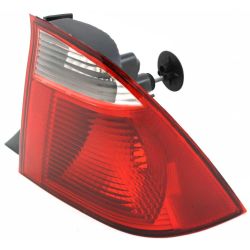
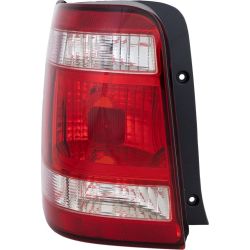
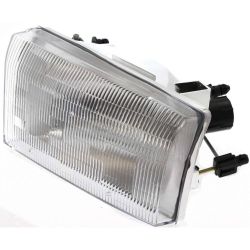
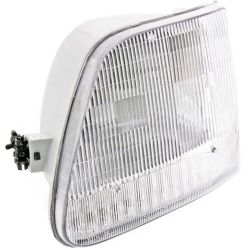
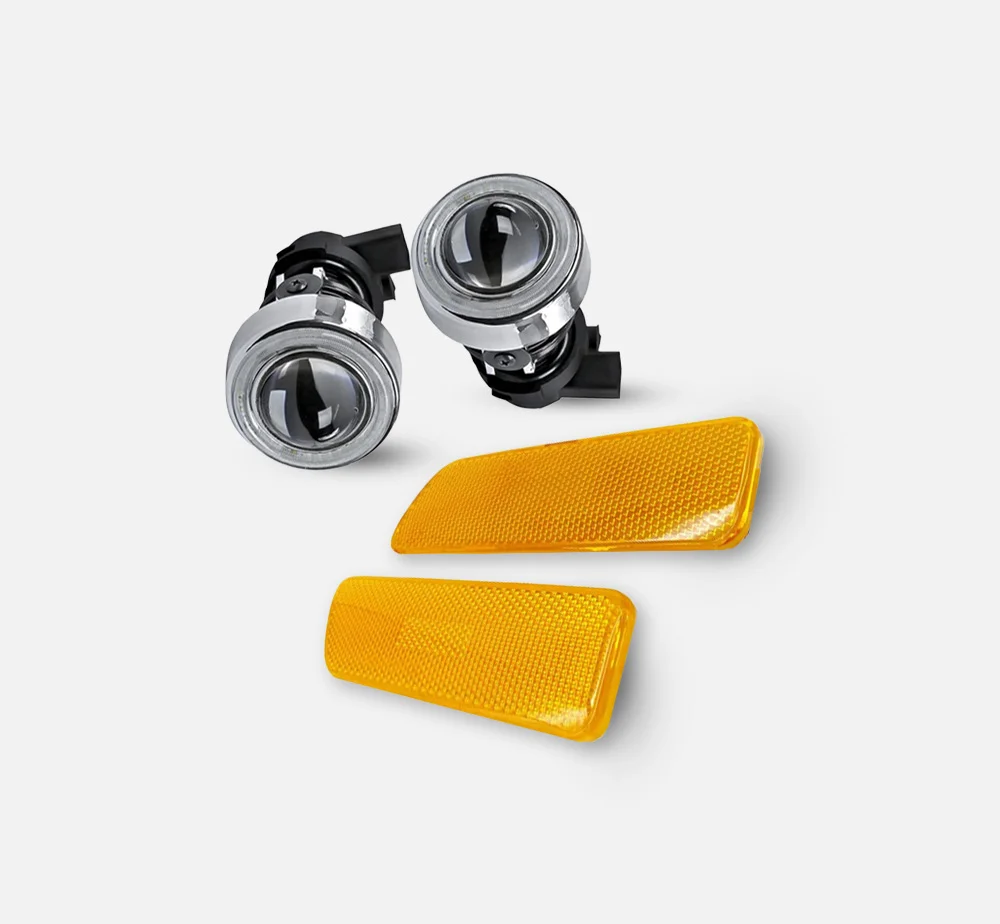
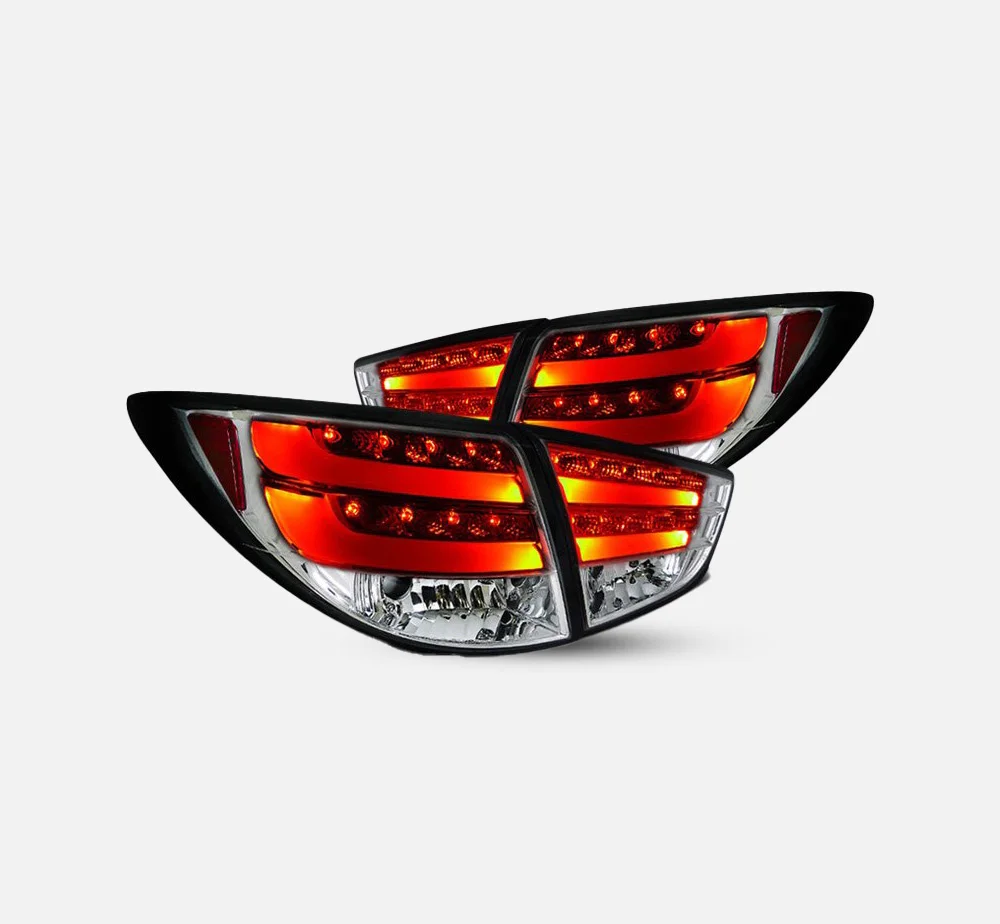
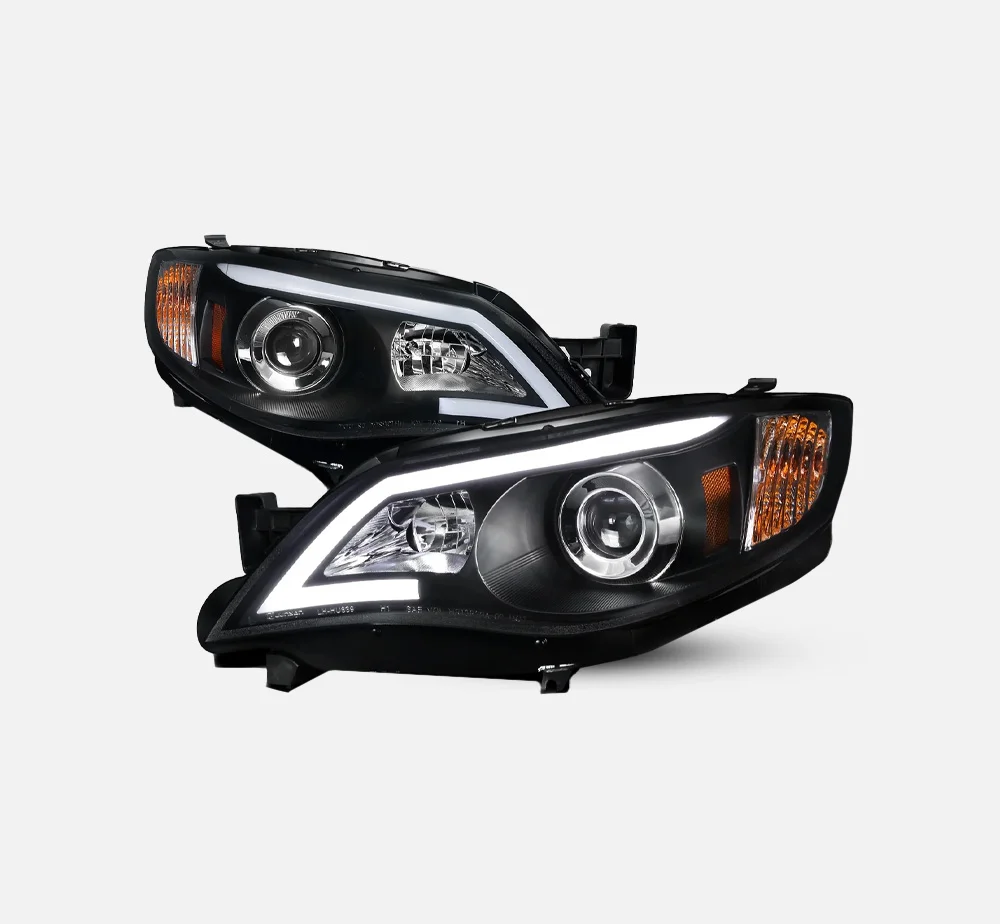
Proper lighting is crucial for safe winter driving. Regularly inspect all exterior lights, including headlights, taillights, and turn signals. Replace any burnt-out bulbs and ensure the lights are clean and functioning correctly.
Inspect the Exhaust System
Cold weather can impact the exhaust system, leading to leaks or damage. Inspect the exhaust pipes and muffler for any issues. If you notice unusual noises or suspect a problem, have it addressed promptly to prevent dangerous fumes from entering the vehicle.
Check the Belts and Chains
Belts and chains play a crucial role in the proper functioning of your vehicle. Inspect them regularly for signs of wear or damage. If you notice any issues, have them replaced to avoid unexpected breakdowns in cold weather.
Interior Care Tips
While preparing your car for winter, don't forget about the interior. Clean and protect the interior surfaces, and consider using rubber floor mats to trap moisture and prevent damage. A comfortable and well-maintained interior enhances your overall driving experience during winter.
Emergency Kit Preparation
Being prepared for emergencies is essential during winter. Assemble an emergency kit that includes items like a blanket, flashlight, extra warm clothing, non-perishable snacks, and a first aid kit. Keep this kit in your car to be ready for unexpected situations.
Winter Driving Tips
In addition to preparing your vehicle, adjusting your driving habits is crucial for winter safety. Increase your following distance, drive at a moderate speed, and avoid sudden maneuvers. Be extra cautious on icy or snowy roads, and consider taking a winter driving course for added confidence.
Conclusion
As winter settles in, taking the time to prepare your car for cold weather can make a significant difference in its performance and your safety. From checking the battery to adjusting your driving habits, each step contributes to a safer and more comfortable winter driving experience. Don't wait until the first snowfall; start preparing your car today for a worry-free winter on the road.
FAQs (Frequently Asked Questions)
How can I ensure my car battery stays efficient in cold weather?
- Regularly check the battery's health, clean the terminals, and secure connections. Consider using a battery warmer in extremely cold climates.
Why is tire maintenance crucial for winter driving?
- Cold weather can lead to decreased tire pressure, affecting traction. Regularly check tire pressure, inspect tread depth, and consider using winter tires for better grip.
How do I prevent engine damage due to freezing temperatures?
- Check antifreeze levels regularly and top up if necessary. Ensure coolant is at the recommended ratio to prevent engine and radiator freezing.
What should I do to maintain my car's engine health in cold weather?
- Check engine oil levels and switch to winter-grade oil if needed. Regular oil changes are crucial for maintaining engine health, especially in colder climates.
Why is brake inspection more critical in winter?
- Icy roads require responsive brakes. Regularly check brake pads, rotors, and brake fluid levels. Address any issues promptly to ensure safety on winter roads.