







When you're tackling the challenge of driving in snow for the first time, understanding the basics can significantly ease your mind. You've probably heard that slowing down and keeping a safe distance from the vehicle ahead are key, but there's more to it.
Equipping your car with the right tires and knowing how to effectively use your brakes without locking them are crucial steps. However, one often overlooked aspect plays a pivotal role in ensuring your safety on these slippery roads.
Let's explore what that is and why it could be the difference between a stressful journey and a secure one.
Is Driving in Snow Dangerous?
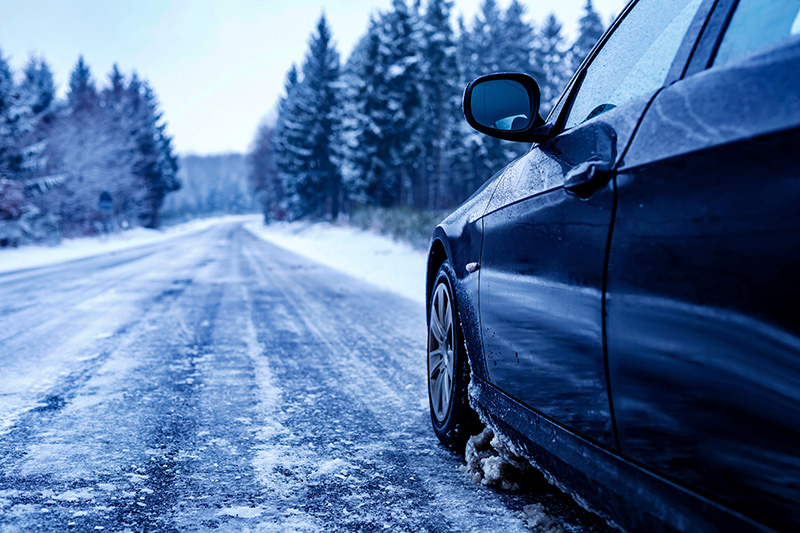
Driving in snow can significantly increase your risk of an accident. As you navigate through winter road conditions, you're often facing a mix of snow driving hazards that can challenge even experienced drivers.
The snow not only reduces your tire's grip on the road but also decreases your visibility. Layers of ice hidden beneath the snowpack create slippery surfaces, making it easy for your vehicle to skid unexpectedly.
Additionally, stopping distances can triple on snowy roads compared to dry ones. You've got to be extra vigilant about the space between you and the car ahead. Remember, other drivers might not be as cautious or prepared for the conditions as you are, adding another layer of risk to your snowy journey.
7 Tips for First-Time Drivers
As a first-time driver, navigating snowy roads can be challenging, but with the right preparation, you'll manage safely. Here are a few tips to keep in mind when you hit the road.
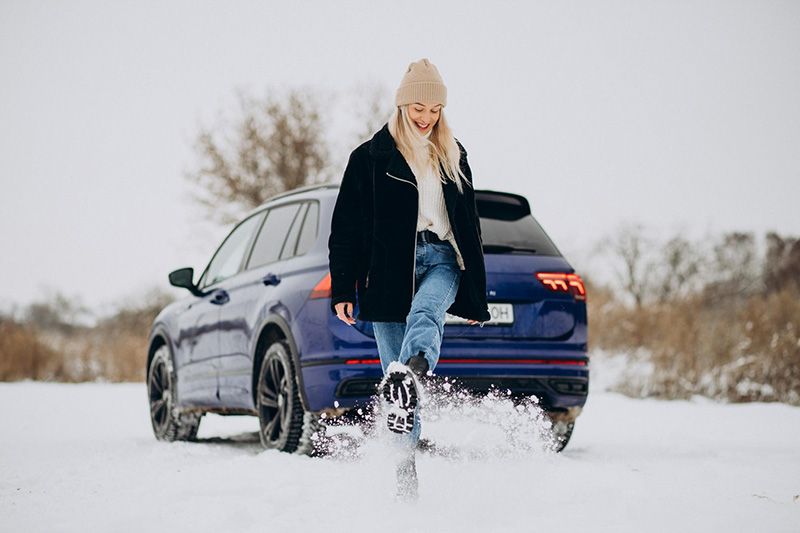
Prepare the Right Tires
Choosing the right tires for snowy conditions can significantly enhance your safety and driving experience, especially if you're a first-time driver. Winter tire types are designed specifically to tackle snow and ice with deeper treads and specialized rubber compounds that remain flexible in cold weather. You'll find options like studded tires for icy roads and studless tires that provide excellent traction on both snow and ice.
It's also crucial to maintain the correct tire pressure. Cold air can reduce tire pressure, which affects your car's handling and fuel efficiency. Check your tire pressure regularly, adjusting it according to your vehicle's manual. Properly inflated tires ensure better traction, reduce tire wear, and help you maintain control in wintry conditions.
Drive Slowly
After ensuring your tires are properly prepared for winter conditions, the next step to safe driving in snow is moderating your speed. Driving slowly is crucial, as it improves your winter traction, allowing your tires to maintain a better grip on the icy or snowy surface. When you reduce your speed, you also enhance your ability to manage sudden decreases in snowy visibility.
Whether it's due to a snow flurry or a foggy patch, slow driving gives you more time to react to unexpected obstacles. Remember, it's not just about how fast you're moving, but how well you can stop and maneuver when you need to. Keeping your pace steady and controlled can make all the difference in keeping you safe on wintry roads.
Check Your Rearview Mirror Whenever Changing Speeds
Always check your rearview mirror before you change speeds, whether you're speeding up or slowing down. This practice isn't just about following rules - it's crucial for your safety and the safety of others on snowy roads.
Proper mirror adjustment is key. Ensure your rearview mirror provides a clear, broad view of the traffic behind you. That way, you'll have better speed awareness, understanding how fast others are moving relative to you.
If you notice vehicles approaching too quickly, you can adjust your speed accordingly to avoid sudden braking, which is risky on slippery surfaces. Remember, in snowy conditions, reactions need to be smoother and foresight sharper. Keeping an eye on your rearview mirror helps you maintain this balance effectively.
Look Far Ahead
While keeping an eye on your rearview mirror is important, it's equally vital to look far ahead when driving in snow, especially for first-time drivers. This practice allows you to anticipate road conditions and react appropriately.
By focusing further down the road, you can spot icy patches, snow build-up, or obstacles in your path. This foresight is crucial for maintaining safe driving speeds and preparing for any necessary maneuvers.
Enhance your visibility techniques by ensuring your windshield is clear and your headlights are on, even during the day. This improves not only your visibility but also helps other drivers see you. Remember, unpredictable weather can quickly change road conditions, so staying alert and looking ahead helps you navigate safely through challenging winter environments.
Don't Ignore Stability Control Lights
If you notice your stability control light flickering or staying on, don't ignore it - it's crucial for your safety, especially when driving in snowy conditions. This light is your dashboard's way of telling you that the stability control system is actively working to keep your car stable on slippery roads.
It manages your vehicle's traction by automatically adjusting the engine power and applying brakes to specific wheels, preventing skidding and loss of control.
When this light stays on, it could indicate a malfunction. This means the system might not engage properly, leaving you more vulnerable to losing control in winter driving scenarios. So, if it's lit up, get it checked out as soon as possible to ensure your safety on snowy roads.
Carry Supplies
After ensuring your vehicle's stability control is functioning correctly, another key step for safe winter driving, especially for first-time drivers, is to pack the right supplies. You'll need to be prepared for any situation that might arise.
Here's a list of essential items to keep in your car:
- Emergency Kit: Includes a first aid kit, flashlight, and basic tools.
- Extra Food and Water: Non-perishable snacks and bottled water.
- Ice Scraper and Snow Brush: Essential for clearing your windows.
- Jumper Cables: In case your battery dies.
These winter essentials will help ensure you're ready for most challenges you might encounter while driving in snow.
Driving Uphill in Snow
Navigating uphill in snowy conditions can be particularly challenging for first-time drivers. It's crucial to master your braking techniques to prevent skidding or sliding backwards. Always start by gently applying pressure to the brakes well before you actually need to stop, allowing yourself ample space to come to a smooth halt. This gradual braking helps maintain traction and control.
Additionally, make sure your vehicle is equipped with traction control. This technology assists in preventing the drive wheels from spinning during acceleration by automatically adjusting the brake pressure and engine power.
It's a lifesaver on slippery slopes. Remember, it's all about smooth actions-sudden changes can cause loss of traction. Keep your speed steady and your movements gradual for the safest ascent.
What to Do if Your Car Breaks Down During Winter?
When your car breaks down in the midst of winter, it's crucial to stay calm and prioritize safety. First things first, ensure you're visible to others. Turn on your hazard lights and set up any available warning signals like flares or a reflective triangle.
Here's what you should do next:
- Stay with your vehicle: It provides temporary shelter and makes it easier for rescuers to locate you.
- Call for help: Use your phone to contact emergency services or roadside assistance.
- Keep warm: Bundle up in extra clothing or blankets to retain body heat.
- Conserve your vehicle's battery: Limit the use of lights and heat intermittently.
- Stay hydrated: Have water accessible to prevent dehydration.
Conclusion
Navigating snowy roads is like steering a ship through icy waters-caution is your best compass. Remember, nine out of ten winter accidents could be avoided by simply slowing down.
Picture this: easing your foot off the gas on a frosty morning, giving you the control and time to react safely, much like a seasoned captain charting a safe course through a storm. Stay equipped, stay alert, and you'll sail through winter roads with confidence.
FAQs (Frequently Asked Questions)
How Does Snow Affect a Car's Fuel Efficiency?
- Snow increases your car's fuel consumption because it reduces traction, making your engine work harder. You'll notice more frequent fill-ups, especially if you're driving in heavy or consistently snowy conditions.
Can Standard Tires Handle Light Snow Conditions?
- You're skating on thin ice if you rely on standard tires in light snow. They lack the necessary tire traction and snow performance, making them less reliable and more prone to slipping. Consider winter tires.