




Owning a vehicle comes with a simple truth: eventually, it will need maintenance and repairs. While no one looks forward to unexpected breakdowns, understanding the most common auto repairs and how to address them can save you money, time, and frustration.
From routine oil changes to complex transmission services, every aspect of your car works together to deliver a reliable and smooth driving experience. Let's explore the most frequent repairs and how staying proactive can keep your vehicle in peak condition.
Key Takeaways
- Oil changes are crucial for maintaining engine performance and preventing increased wear and overheating.
- Brake repairs, including pad replacement and fluid checks, ensure safety and effective braking.
- Tire maintenance, such as pressure checks and rotations, enhances safety, fuel efficiency, and tire longevity.
- Battery replacements and electrical system diagnostics prevent starting issues and accessory malfunctions.
- Cooling system repairs, like fixing radiator leaks, prevent engine overheating and maintain optimal temperature regulation.
7 Common Car Repairs You Need To Know
As a car owner, understanding essential repairs like oil changes, brake repairs, and tire maintenance is vital for peak vehicle performance.
You should regularly monitor your battery's health and schedule timely replacements, while also considering transmission services to guarantee smooth gear shifts and prolong your car's lifespan. By staying informed and proactive with these common repairs, you can prevent costly damages and maintain your vehicle's reliability and efficiency.
Oil Change
An oil change is more than just routine maintenance-it's the lifeblood of your engine. Fresh oil ensures proper lubrication, reduces friction, and helps regulate engine temperature. Over time, oil degrades, becoming less effective and filled with contaminants that can lead to increased wear and eventual engine damage.
When changing your oil, always follow your manufacturer's recommendations for the correct viscosity and oil type. Don't forget to replace the oil filter during each oil change to prevent clogged filters from restricting oil flow. This simple service, typically done every 5,000 to 7,500 miles, is essential to long-term engine health.
Brake Repairs
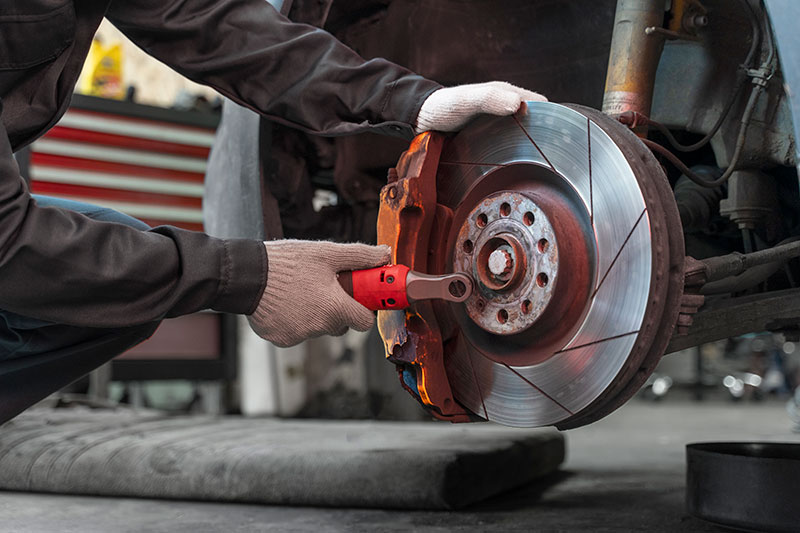
Your brakes are the most critical safety feature in your vehicle, and their maintenance should never be overlooked. One of the first signs of brake trouble is squeaking or grinding sounds, often caused by worn brake pads. Ignoring these symptoms can lead to damaged rotors, increasing repair costs and compromising braking efficiency.
Brake fluid is another vital component often overlooked. Over time, this fluid absorbs moisture, reducing its effectiveness and potentially causing brake failure under high temperatures. Regularly checking and replacing brake fluid at intervals recommended by your vehicle's manufacturer ensures consistent and reliable braking.
A thorough brake inspection includes examining pads, rotors, calipers, and brake lines. Timely repairs keep your car safe and prevent expensive overhauls.
Tire Maintenance
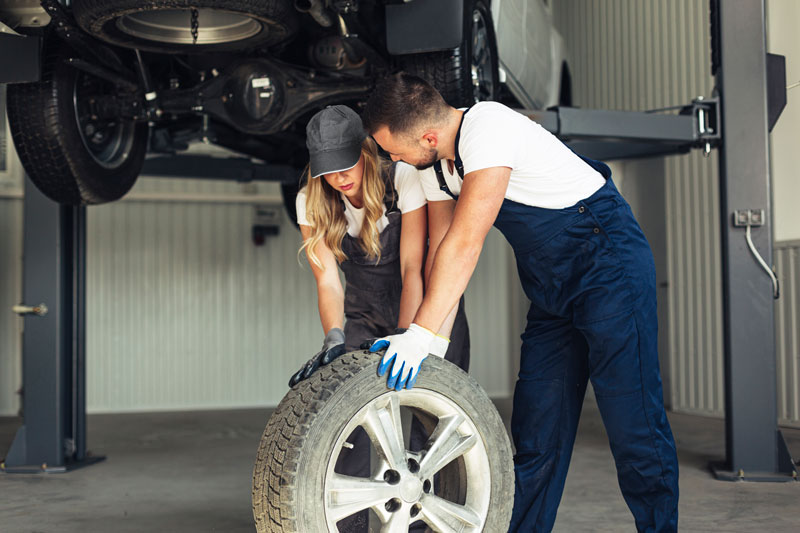
Your tires are your car's only contact with the road, making their upkeep critical for safety, performance, and fuel efficiency.
Proper tire maintenance involves:
- Pressure Checks: Underinflated tires reduce fuel efficiency and increase wear, while overinflated tires compromise traction and comfort. Use a reliable gauge to maintain the recommended pressure.
- Tire Rotations: Regular rotation, every 6,000-8,000 miles, ensures even wear and prolongs tire life.
- Alignment: Misaligned wheels can cause uneven wear and reduce handling precision. If your car pulls to one side, seek professional alignment.
- Tread Depth: Monitor tread depth with the penny test or a tread gauge. Low tread increases the risk of hydroplaning and decreases grip on wet roads.
Routine tire maintenance prevents blowouts, enhances fuel economy, and maximizes performance.
Battery Replacement
A failing battery can leave you stranded at the worst times. Most car batteries last 3-5 years, but factors like extreme weather and frequent short trips can shorten their lifespan. Signs of a failing battery include slow engine cranking, dim headlights, or a dashboard warning light.
Corrosion on the terminals or a swollen battery case indicates it's time for a replacement. Replacing a battery is straightforward but essential to avoid unexpected breakdowns. Regularly test your battery's voltage to maintain reliability and replace it as needed.
Transmission Services
Your car's transmission is a complex system responsible for delivering power to the wheels. Routine maintenance is essential to prevent costly failures and maintain smooth shifting.
Key services include:
- Fluid Changes: Over time, transmission fluid degrades, leading to overheating and gear slippage. Regular fluid changes ensure proper lubrication.
- Filter Replacements: A clean filter keeps contaminants from damaging internal components.
- Leak Inspections: Addressing fluid leaks early prevents low fluid levels and significant damage.
- Diagnostics: Modern vehicles rely on sensors to monitor transmission performance. Routine diagnostics can catch issues before they escalate.
Staying ahead with regular transmission maintenance protects one of your car's most expensive components.
Cooling System Repairs
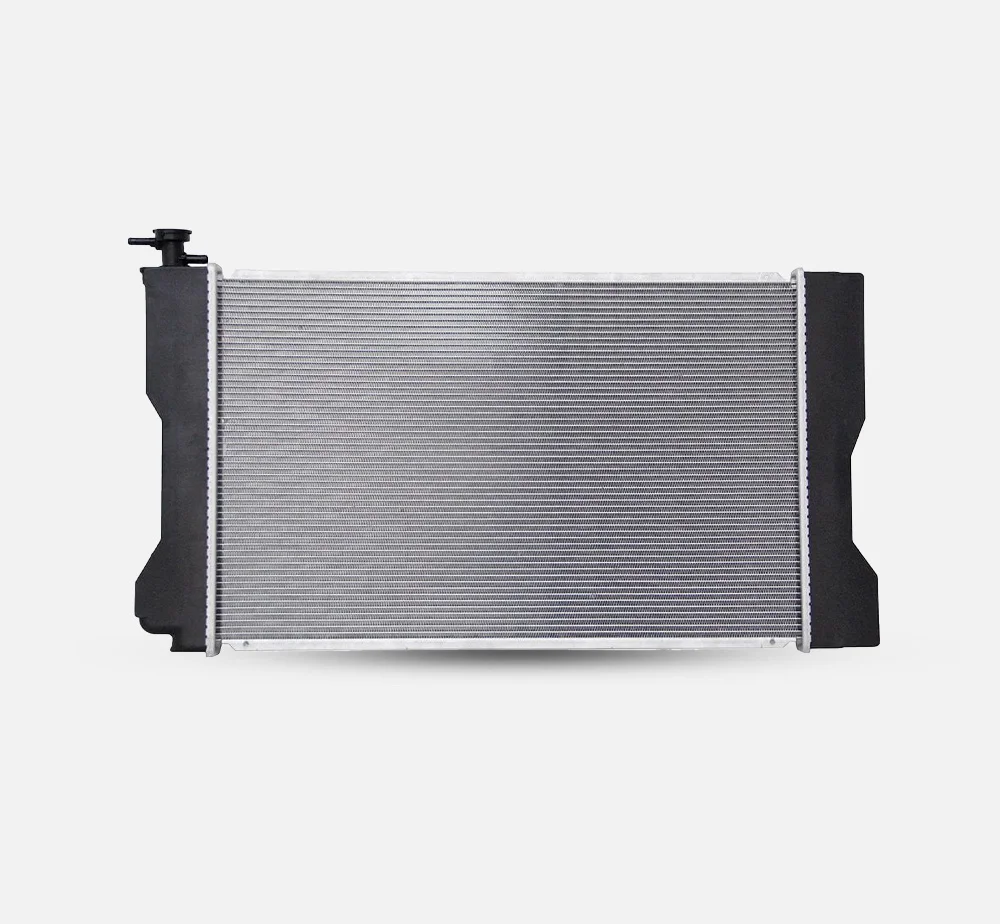
Your cooling system prevents engine overheating, a common cause of major mechanical failures. Regular inspections help you identify issues like radiator leaks or thermostat malfunctions before they lead to more severe problems.
Radiator leaks can occur due to corrosion or damage, resulting in coolant loss. Symptoms include puddles under your car and fluctuating temperature readings. Thermostat problems can also cause overheating or suboptimal engine temperatures. Regularly flushing the cooling system and using the correct coolant mixture keeps everything running smoothly.
Electrical System Repairs
Your car's electrical system powers everything from the starter motor to your headlights. Issues with wiring, fuses, or components like the alternator can disrupt these functions.
Common problems include blown fuses, corroded connections, and faulty sensors. Regular inspections of wiring and connections can prevent electrical failures. Keep a multimeter on hand for diagnostics and replace worn parts promptly to maintain reliability.
Benefits of Being Proactive With Auto Care
Proactive maintenance isn't just about avoiding breakdowns-it's an investment in your vehicle's future. Addressing issues early prevents costly repairs, extends the life of your car, and enhances resale value.
For example, replacing a worn timing belt before it fails can save you thousands in engine repairs. Similarly, catching a coolant leak early prevents overheating and catastrophic engine damage.
Routine care also improves fuel efficiency, reduces emissions, and ensures a safer driving experience. Regular inspections, fluid checks, and part replacements keep your car running at its best, providing peace of mind and optimal performance.
Conclusion
Think of your car as a symphony orchestra. Each component, from the oil to the brakes, plays a vital part in the harmony of its performance. If one musician falters, the entire melody suffers. By staying proactive with auto care, you're fundamentally the conductor ensuring every note is pitch-perfect.
Regular maintenance and timely repairs keep your automotive orchestra in tune, preventing discord and costly breakdowns. Embrace this role, and your vehicle will sing smoothly for years.