






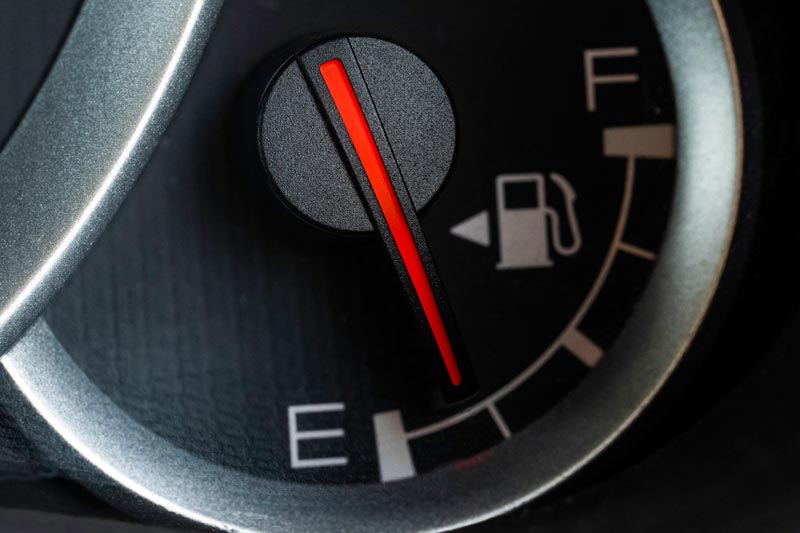
Improving your fuel economy is not a hard task. All you have to do is follow a few rules and do some extra check's before traveling. You can improve gas economy by keeping your tires properly inflated and managing cargo efficiently. Avoid unnecessary weight and streamline your vehicle. Adopt smooth driving habits, maintain a steady speed, and use cruise control on highways.
Combine errands to reduce multiple short trips and plan your routes wisely to avoid traffic congestion. Turn off your engine during prolonged stops instead of idling and maintain your vehicle regularly, including checking spark plugs and air filters.
Making these changes not only saves gas but also enhances vehicle performance. Exploring these tips further promises even more ways to boost your fuel efficiency. Stay tuned with us because we are going to look further into them.
Key Takeaways:
- Regularly check and maintain tire pressure to reduce rolling resistance and enhance fuel efficiency.
- Remove excess cargo and roof racks to minimize aerodynamic drag and improve gas mileage.
- Smooth acceleration and maintaining steady speeds can decrease fuel consumption significantly.
- Plan trips efficiently by combining errands and avoiding peak traffic hours to save fuel.
- Regular engine maintenance, including spark plug and air filter checks, ensures optimal fuel economy.
Why Does Fuel Economy Matter?
Fuel economy matters because it directly impacts your wallet, reduces environmental harm, and improves overall vehicle performance. When your vehicle is more fuel-efficient, you spend less money on gas.
This means more money in your pocket for other essentials or a little extra fun. Plus, when you burn less fuel, you emit fewer greenhouse gases and pollutants, reducing your environmental impact. It's a win-win for both you and the planet.
5 Steps to Improve Your Vehicle's Gas Mileage
Check Tyre Pressure
Keeping your tires properly inflated plays an essential role in improving your vehicle's gas mileage. Tire maintenance is vital for achieving peak fuel efficiency. Underinflated tires can increase fuel consumption by up to 3%, causing you to spend more money at the pump.
By maintaining the correct tire pressure, you not only enhance gas economy but also prolong the life of your tires and improve overall vehicle safety. Make a habit of checking your tire pressure at least once a month. Consult your vehicle's owner's manual or the sticker inside the driver's door for the recommended PSI (pounds per square inch).
Properly inflated tires reduce rolling resistance, allowing your vehicle to move more smoothly and consume less fuel. Additionally, well-maintained tires wear more evenly, which means fewer replacements and cost savings over time. Remember, neglecting tire pressure can lead to decreased traction and increased stopping distances, compromising your safety on the road.
In short, regular tire pressure checks are a simple yet effective way to enhance your vehicle's fuel efficiency and promote a safer, more economical drive.
Don't Carry Unnecessary Weight
Removing excess weight from your vehicle can greatly improve its gas mileage. Start by clearing out any unnecessary items from your car. Think about those backpacks, sports gear, and books that have been sitting in the trunk for weeks.
Every 100 pounds you remove can enhance your fuel efficiency by up to 2%. Effective cargo management is key to maximizing your vehicle's performance. Every little bit counts when it comes to saving gas.
Avoid Long Idling
When you leave your engine running while parked or waiting, the idling effects are more harmful than you might think. Not only does idling waste fuel, but it also produces 80% more pollution compared to driving. This means you're contributing to higher emissions and throwing away money on fuel that's not even getting you anywhere.
Modern vehicles are designed to handle frequent starts and stops, so don't hesitate to turn off your engine if you expect to be stationary for more than a minute. If your vehicle has a stop-start system, make sure it's activated to automatically turn off the engine during stops, further reducing gas waste.
Calm Driving Style
Fuel efficient driving begins with smooth acceleration. Instead of pressing hard on the gas pedal, gently accelerate to avoid wasting fuel. Imagine a full cup of coffee on your dashboard - the goal is to drive without spilling it. This habit not only conserves fuel but also reduces wear and tear on your vehicle.
Maintaining a steady speed is another key aspect of fuel efficient driving. Constant speed fluctuations can increase fuel consumption by up to 20%. Using cruise control on highways can help maintain a consistent speed, saving gas and making your drive more relaxed.
Also it's advisable to avoid high speeds. By sticking to speed limits and driving calmly, you'll enjoy a better economy and a safer driving experience.
Plan Your Trips
Planning your trips efficiently can greatly boost your vehicle's gas mileage. By taking a little time to focus on trip optimization, you can reduce the miles you drive and avoid unnecessary fuel consumption.
Route planning is another vital step. Use navigation apps to find the most fuel-efficient routes, which often involve fewer stops and less traffic. Avoid peak traffic hours to minimize idling and stop-and-go driving, which can greatly impact your gas economy.
What Causes a Bad Fuel Economy?
Poor fuel economy often results from a combination of driving habits, vehicle maintenance neglect, and external factors like road conditions. One common issue is improper use of fuel additives. While some additives claim to boost mileage, they can sometimes clog your engine, leading to inefficiency. It's vital to choose the right products and follow manufacturer recommendations.
Driving habits play an important role. Rapid acceleration and hard braking is not recommended. Instead, try to accelerate gently and maintain a steady speed. Using cruise control on highways can help you achieve this. Additionally, excessive idling can drain your fuel tank faster than you might think.
External factors like road conditions and weather can also impact gas economy. Potholes, uneven terrain, and strong headwinds force your vehicle to work harder, resulting in consuming more fuel.
What Is Considered a Good Fuel Economy?
Achieving optimal fuel efficiency indicates that a vehicle utilizes less gasoline to cover a greater distance per mile. Fuel efficiency is quantified in miles per gallon (mpg).
Typically, mpg figures are more favorable on highways than in urban settings, as city driving often involves lower speeds, frequent idling, and elevated revolutions per minute (rpm). Research indicates that the majority of vehicles can achieve at least five additional mpg on highways compared to city driving.
When assessing what constitutes good gas efficiency, several elements must be considered. These include the vehicle type, fuel octane rating, and fuel type. While hybrid and electric vehicles generally offer superior fuel economy, many gasoline-powered vehicles also exceed 30 miles per gallon (mpg).
Conclusion
Improving your vehicle's gas economy isn't just about saving money-it's about making smarter choices on the road. Imagine that you used to spend $200 a month on gas. By decluttering your car, maintaining tire pressure, and using cruise control, there is a high chance that you can save some extra money.
Small changes can lead to significant savings and a greener planet. Start implementing these habits today, and you'll see both financial and environmental benefits. Why not make the change now?
FAQs (Frequently Asked Questions)
What Are the Benefits of Using Cruise Control for Fuel Economy?
- Using cruise control benefits you by maintaining a steady speed, which enhances fuel economy. It prevents unnecessary speed fluctuations, helping you stay at an ideal speed and reducing fuel consumption, especially on highways.
Can Turning off My Engine During Stops Save Fuel?
- Yes, turning off your engine during stops can save fuel. Engine idling wastes fuel and produces more pollution. Utilize stop-start technology in newer cars to automatically shut off the engine, conserving fuel and reducing emissions.
How Does Regular Vehicle Maintenance Contribute to Better Fuel Economy?
- Sure, just ignore engine tuning and air filter maintenance if you want worse fuel economy and higher emissions. Regular vehicle maintenance guarantees peak performance, improves fuel efficiency, and reduces greenhouse gases. Bet you didn't see that coming!