



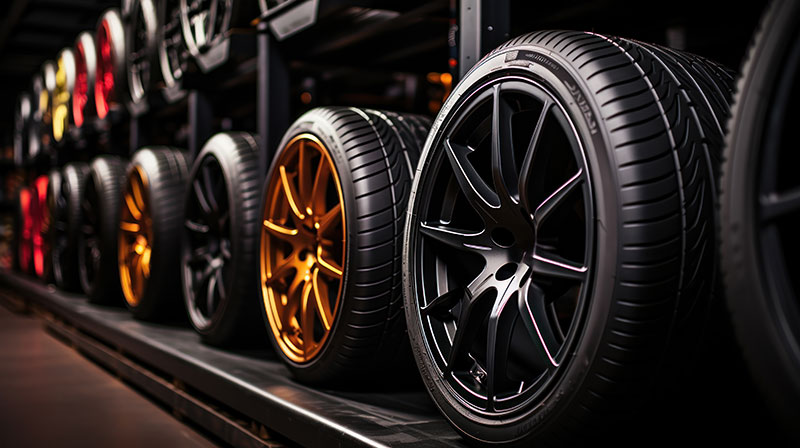
Think of tires as the unsung heroes of your vehicle's journey, quietly supporting every mile you travel. When you pay attention to tire maintenance, you're investing in more than just rubber and air - you're ensuring safety and performance.
Checking tire pressure and rotating them regularly might seem mundane, but these simple actions can save you from unexpected troubles. Do you know how to recognize the signs of tire wear or when it's time to seek professional help? Let's explore how these practices can keep you on the road safely and efficiently, with peace of mind.
Key Takeaways:
- Regularly check tire pressure monthly to ensure safety and optimize fuel efficiency.
- Rotate tires every 5,000 to 8,000 miles to prevent uneven wear and prolong lifespan.
- Balance tires during replacements or if vibrations occur to improve ride quality.
- Ensure proper wheel alignment to reduce tread wear and enhance handling.
- Inspect tires for damage, including cracks or bulges, to avoid blowouts and ensure safety.
Importance of Tire Maintenance
Your vehicle's tires play a vital role in guaranteeing safety and peak performance on the road. Managing tire maintenance throughout the year is essential, and making seasonal adjustments can greatly enhance your driving experience.
As seasons change, so do the demands on your tires, requiring you to adapt your maintenance routine accordingly. For instance, during the winter, you'll want to confirm your tires are up to the challenge of snow and ice, possibly considering winter tires that offer better traction in harsh conditions.
In spring, inspect your tires for any damage sustained during the colder months and prepare them for wetter weather. Checking and maintaining proper tread depth can help prevent hydroplaning during heavy rain. In the summer, the heat can cause increased wear and tear on your tires, so monitoring tire pressure is vital to prevent blowouts and maintain control.
As fall approaches, start thinking ahead to the colder months by confirming your tires are ready for wet and icy roads.
Benefits of Proper Tire Care
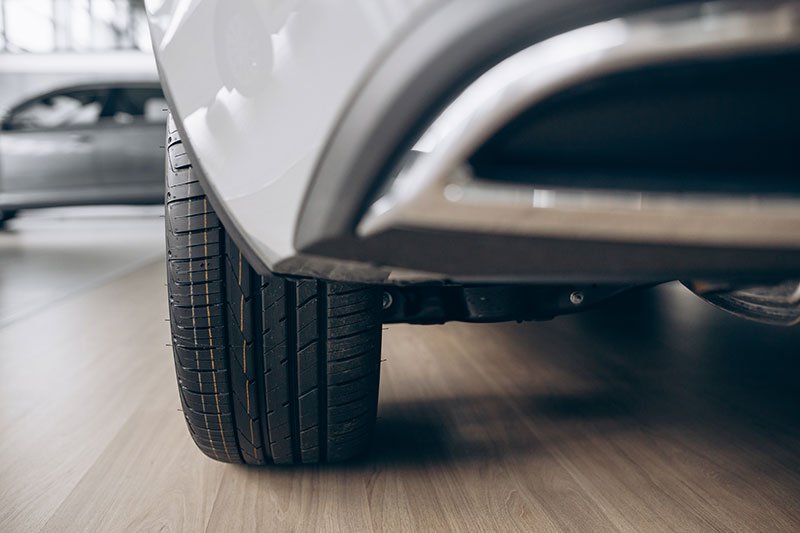
Proper tire care offers numerous benefits that shouldn't be overlooked. By maintaining your tires properly, you enhance your vehicle's safety, performance, and efficiency.
One key advantage is improved traction and handling, which becomes especially vital when making seasonal adjustments. As the weather changes, so do road conditions. Properly cared-for tires guarantee you're prepared to tackle rain-soaked streets in spring or icy roads in winter.
Moreover, taking care of your tires can save you money in the long run. Well-maintained tires wear more evenly, extending their lifespan and delaying the need for replacements. This not only saves you from frequent trips to the tire shop but also helps maintain peak fuel efficiency. Under-inflated or misaligned tires can cause your vehicle to consume more fuel, which hits your wallet hard.
Additionally, proper tire care reduces the risk of unexpected blowouts or flats, enhancing your peace of mind on long drives. By incorporating regular checks and seasonal adjustments into your tire maintenance routine, you guarantee that your vehicle performs at its best year-round. Ultimately, investing time in tire care means investing in your safety and financial savings.
4 Essential Tire Maintenance Practices
Checking Your Pressure
Peace of mind on the road begins with regularly checking your tire pressure. Proper inflation is essential for maintaining vehicle control and performance.
You can verify this by using pressure monitoring tools, like a tire gauge, to keep track of your tires' PSI (pounds per square inch). Under-inflated tires can cause excessive heat, resulting in irregular wear and potential internal damage. On the other hand, over-inflated tires are more susceptible to cuts and punctures from road obstacles.
To find your vehicle's recommended tire pressure, check the label on the driver's door or consult your owner's manual. Make it a habit to check tire pressure monthly, when the tires are cold, and before starting long trips. This simple practice can greatly improve your driving safety and efficiency.
Tire Rotation
Rotating your tires regularly is key to preventing uneven wear and maximizing their lifespan. By rotating your tires every 5,000 to 8,000 miles, you guarantee a consistent wear pattern, which is vital for tire longevity.
This practice helps distribute the wear evenly across all tires, allowing them to last longer and perform better. It also enhances your vehicle's handling and fuel efficiency, making your driving experience safer and more economical.
To get started, check your vehicle's owner's manual for the recommended rotation pattern and schedule. Front and rear tires often wear differently due to weight distribution and driving habits, so rotating them helps mitigate these effects. Once you've rotated the tires, don't forget to adjust the tire pressure according to the manufacturer's specifications, promoting peak performance.
Regular tire rotation is an easy and effective way to extend the life of your tires. It also saves you money in the long run by reducing the frequency of tire replacements. By keeping up with this essential maintenance practice, you're investing in your vehicle's performance and safety.
So, make tire rotation a regular part of your car maintenance routine, and enjoy the benefits of longer-lasting, better-performing tires.
Tire Balancing
While rotating your tires keeps wear patterns even, balancing them guarantees each tire carries its share of the vehicle's weight. When your tires are balanced properly, you'll notice an immediate improvement in ride quality.
This process involves adding small weights to the wheel to guarantee that it rotates smoothly. By reducing vibrations, balanced tires enhance your driving experience and protect against uneven wear, ultimately contributing to tire longevity.
If you feel a vibration through the steering wheel or seat, it's a sign that your tires might need balancing. Unbalanced tires can lead to premature wear, which cuts down on tire longevity and may affect your vehicle's handling.
You'll want to balance your tires whenever you replace them or notice any unusual vibrations while driving. It's a quick process that can make a significant difference.
Wheel Alignment
For ideal vehicle performance, wheel alignment is essential. When your wheels are aligned correctly, they work in harmony with the road, reducing unnecessary wear on your wheel tread. Misalignment often results from hitting potholes or curbs, leading to uneven tread wear and shortening your tire's lifespan. If your vehicle starts pulling to one side, it's a sign you need to check your alignment.
Proper alignment adjusts the suspension angles, ensuring your wheels are aligned with each other and the road surface. This adjustment not only enhances ride smoothness but also reduces vibrations during travel. When your wheels are aligned, you'll notice improved handling and better fuel efficiency, which saves you money in the long run.
Regular alignment checks, as recommended in your vehicle's owner's manual, are vital. These checks should coincide with tire balancing to maintain peak vehicle performance.
By keeping your wheels aligned, you also maintain the integrity of your wheel tread, ensuring your tires last longer and provide the traction you need. Don't overlook alignment; it's a key part of tire maintenance that enhances safety and driving comfort.
Signs of Tire Wear and When to Seek Professional Help
When it comes to tire safety, recognizing the signs of tire wear can be vital for maintaining ideal driving conditions. Don't wait until it's too late for tire replacement. Look for visible indicators like uneven tread wear or bald spots.
These can be signs that your tires aren't wearing evenly, possibly due to alignment issues or improper inflation. If the tread depth is too shallow-less than 2/32nds of an inch-it's time for new tires.
Another red flag is vibration while driving. It might suggest your tires are out of balance or there's internal damage. Listen for unusual noises like thumping or humming, which could indicate tire separation or alignment problems. If you notice your vehicle pulling to one side, it could mean your tires are unevenly worn or misaligned.
Regular inspection is important, but when issues arise, don't hesitate to seek professional help. A tire specialist can provide a detailed assessment and recommend necessary actions, like rotation, alignment, or tire replacement. By addressing these signs early, you safeguard your safety and extend your tire's lifespan, ultimately saving money and maintaining performance on the road.
Conclusion
Imagine your tires as the unsung heroes of your vehicle, carrying you safely from one adventure to the next. By nurturing them with regular maintenance, you're not just extending their lifespan but also ensuring a smoother, more fuel-efficient journey.
Keep an eye out for wear and tear, and don't hesitate to seek professional help when needed. Remember, well-maintained tires are like loyal companions; treat them right, and they'll always have your back on the road.
FAQs (Frequently Asked Questions)
Can Tire Pressure Affect My Vehicle's Fuel Efficiency?
- You might overlook it, but tire pressure greatly impacts fuel efficiency. Under-inflated tires cause more rolling resistance, reducing fuel savings. Keeping tires properly inflated improves your vehicle's performance, helping you save money at the pump.
How Do I Dispose of Old Tires Responsibly?
- Dispose of old tires like you'd recycle an old book, ensuring eco-friendly disposal. Contact local recycling centers or tire retailers; many offer free recycling services. Avoid illegal dumping to protect the environment and promote sustainability.
Are There Specific Tools Needed for Tire Rotation at Home?
- You need specific rotation tools like a jack, lug wrench, and torque wrench for tire rotation at home. Follow your owner's manual for the rotation pattern, ensuring proper inflation afterwards for ideal performance and extended tire lifespan.