


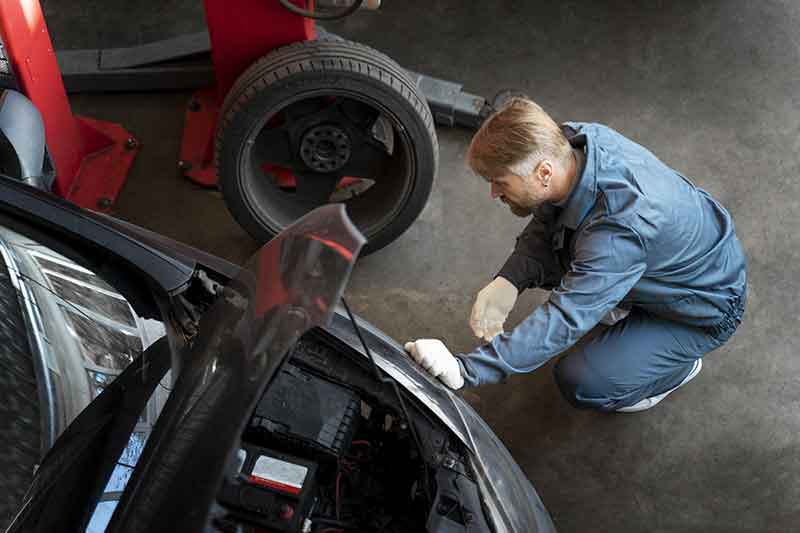
To keep your car running smoothly and safely with each season, focus on essential maintenance tasks. Inspect your tires for proper inflation and tread wear, check your battery's health, and top off fluids like engine oil and coolant.
Guarantee your windshield wipers are effective and your brake system is in top shape. Addressing these areas helps prevent breakdowns and costly repairs while improving fuel efficiency and reducing emissions.
During fall, watch out for slippery leaves, wildlife, and reduced visibility. Stay tuned for practical tips to keep your vehicle in peak condition year-round.
Key Takeaways:
- Regularly inspect and maintain tire tread, pressure, and condition to ensure safe driving.
- Check and replace windshield wipers to maintain clear visibility in different weather conditions.
- Monitor and top off all essential fluids, including engine oil, coolant, and brake fluid.
- Ensure battery terminals are clean and connections secure to avoid cold-weather failures.
- Regularly inspect the brake system for wear, proper fluid levels, and effective operation.
Why Is It Important to Take Care of Your Car?
Taking care of your car is essential because it guarantees your vehicle runs smoothly and safely. Regular maintenance plays a significant role in car longevity, confirming you get the most out of your investment.
By keeping up with routine checks, you can avoid unexpected breakdowns and costly repairs. Simple tasks like oil changes, tire rotations, and brake inspections can make a huge difference.
When you prioritize your car's upkeep, you're not just extending its life - you're also optimizing engine performance. A well-maintained engine runs more efficiently, providing better fuel economy and reducing emissions. It's a win-win situation for both your wallet and the environment.
Ignoring maintenance can lead to a decline in engine performance. Over time, neglect can cause critical components to wear out faster, leading to issues like overheating or even complete engine failure. Regular servicing helps identify and address minor problems before they become major headaches.
In short, taking care of your car confirms it remains reliable and efficient, providing you with peace of mind on the road. So, don't underestimate the importance of regular maintenance in preserving your vehicle's longevity and performance.
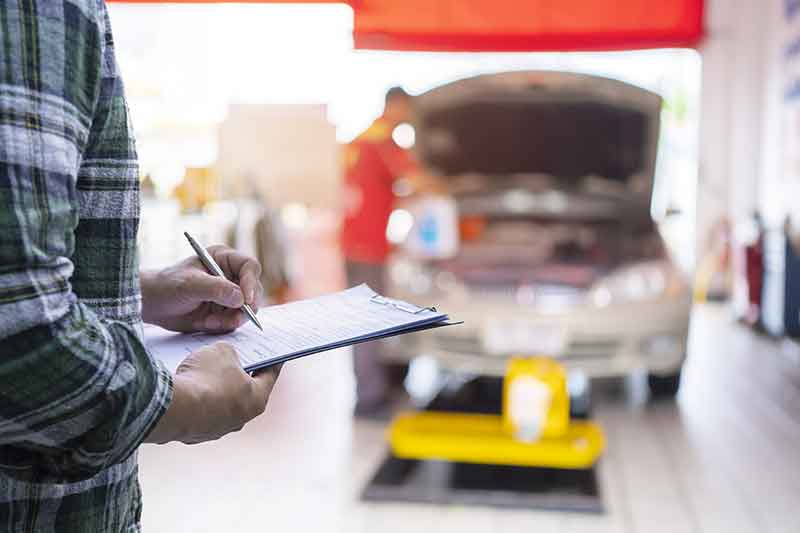
Fall Maintenance Tips
Inspecting Your Tires
As the leaves begin to fall, it's important to give your tires some much-needed attention to guarantee safety and peak performance. Start by checking the tire tread. Worn-out treads can compromise traction, especially on wet and slippery roads.
An easy way to check is the penny test: insert a penny into the tread with Lincoln's head down. If you can see the top of his head, it's time to replace your tires.
Next, don't forget to check the air pressure. As temperatures drop, tire pressure can decrease, affecting handling and fuel efficiency. Refer to your vehicle's manual for the recommended pressure levels. Use a reliable tire gauge to measure the current pressure and add air if needed. Most gas stations have air pumps that make this task straightforward.
Also, inspect for any visible signs of damage, such as cuts, punctures, or bulges. These could lead to unexpected blowouts or flats. Rotate your tires if you haven't done so recently, ensuring even wear and prolonging their lifespan.
Battery Health Check
While you're giving your tires some attention, don't overlook your car's battery. As temperatures drop, your battery is at a higher risk of failure. Cold weather can greatly impact battery lifespan, making fall the perfect time for a health check.
First, inspect the battery terminals for any corrosion. Corroded terminals can lead to poor connections, making it harder for your car to start in cold weather.
Next, check the battery voltage. A healthy battery should read around 12.6 volts when fully charged. If it's considerably lower, it might be time for a replacement.
It's also essential to look at the battery's age. Most car batteries last between three to five years. If yours is nearing or past this range, consider getting a new one before winter hits.
Finally, verify that all connections are tight and secure. Loose connections can prevent your battery from charging properly, leaving you stranded when you least expect it.
Here's a quick checklist for you:
- 1. Inspect and clean battery terminals.
- 2. Measure the battery voltage.
- 3. Check the battery's age.
- 4. Tighten all connections.
Taking these steps now can save you from a dead battery in the freezing cold.
Fluid Levels and Wipers
Before the chilly weather sets in, it's vital to check your car's fluid levels and wipers to guarantee peak performance. Proper fluid maintenance keeps your vehicle running smoothly and prevents costly repairs down the road.
Start by inspecting your engine oil, coolant, brake fluid, and windshield washer fluid. Each of these plays a significant role in your car's functionality, especially as temperatures drop.
Engine oil is the lifeblood of your vehicle, so make sure it's at the correct level and free of contaminants. Coolant, or antifreeze, needs to be topped off to prevent your engine from freezing or overheating. Don't forget to check your brake fluid - it confirms your brakes are responsive and safe.
Equally important is the condition of your windshield wipers. Wiper replacement might seem minor, but it's vital for maintaining clear visibility during autumn rains and impending winter snow. Examine your wiper blades for any signs of wear, such as cracks or stiffness. If they're not effectively clearing your windshield, it's time for new ones.
Brake System Inspection
Your car's braking system is essential for safe driving, especially during fall when wet leaves and early frosts can create slippery roads. An effective brake system guarantees you can stop quickly, avoiding accidents and keeping your loved ones safe.
Here's what you need to inspect:
- Brake Pads: Worn-out brake pads can drastically reduce your stopping power. Listen for squeaking or grinding noises, which indicate it's time for replacement. Inspect them visually or get a professional to do it.
- Brake Fluid: Check your brake fluid level and quality. Over time, brake fluid can absorb moisture, reducing its effectiveness. If it's dark or murky, it's time to replace it. Confirming the brake fluid is at the proper level can prevent braking failure.
- Brake Rotors: Warped or damaged rotors can cause vibrations when braking. Have them inspected and resurfaced or replaced if needed. Smooth rotors guarantee even contact with the brake pads for efficient stopping.
- Brake Lines: Inspect the brake lines for any signs of wear, corrosion, or leaks. Damaged lines can lead to brake fluid loss and eventual brake failure. Replacing faulty lines can save you from dangerous situations.
Taking these steps will keep your brake system in top condition, providing peace of mind on those crisp fall drives.
Potential dangers during fall season
As the leaves begin to fall and temperatures drop, driving conditions can become more hazardous, posing potential dangers you need to watch out for. One of the first issues you'll face is leaves accumulation on the road.
Wet leaves can be as slippery as ice, making it easy to lose control of your vehicle. Always drive cautiously and reduce your speed when you notice fallen leaves, especially after it rains.
Another fall hazard is the increased activity of wildlife. Animals like deer are more active during this season, often crossing roads unexpectedly. These wildlife hazards can lead to severe accidents if you're not vigilant. To mitigate this risk, stay alert, especially during dawn and dusk when animals are most active.
Additionally, shorter daylight hours and foggy mornings can reduce visibility. Verify your headlights and taillights are functioning properly to see and be seen by other drivers. Also, keep your windshield clean inside and out, and check that your wiper blades are in good condition.
Conclusion
Taking care of your car isn't just a task - it's a necessity. Inspect your tires, check your battery, top off fluids, and examine your brakes. Each step guarantees safety, reliability, and peace of mind.
As the leaves fall and the weather turns crisp, your well-maintained car will navigate those winding roads, handle sudden storms, and conquer unexpected challenges. With these fall maintenance tips, your car will be ready, steady, and safe for every seasonal adventure.
FAQs (Frequently Asked Questions)
What Are Some Essential Tools for DIY Car Maintenance?
- For DIY car maintenance, you'll need essential tools like a wrench set, jack stands, and a tire pressure gauge. Don't forget an oil change kit and brake inspection tools to keep your vehicle running smoothly.
How Often Should I Check My Car's Battery Health?
- Did you know that a car battery's lifespan is typically 3-5 years? You should check your car's battery health every six months. Regular battery maintenance can prevent unexpected failures and keep your vehicle running smoothly.
Are There Specific Tire Types Recommended for Different Seasons?
- Yes, there are specific tire types for different seasons. Winter tires have deeper tire tread for snow, while all season tires offer a balance of performance and traction for various weather conditions throughout the year.