


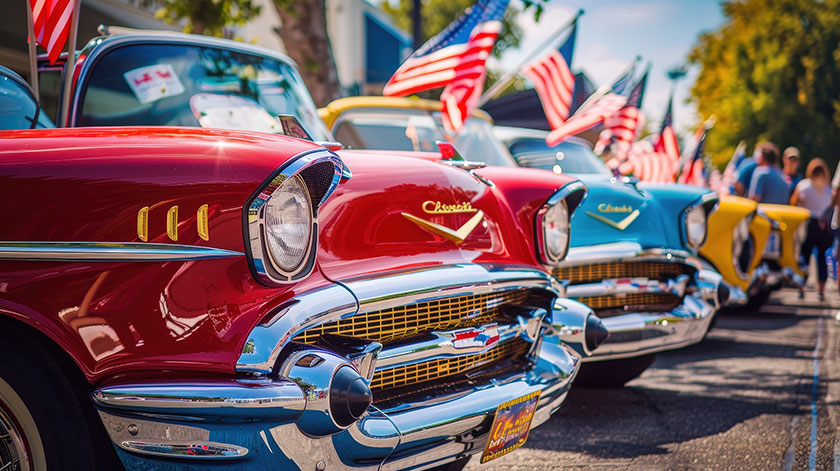
It's no coincidence that you've stumbled upon this discussion just as you're looking to keep your older car in top shape. You know, maintaining a vintage vehicle or simply an old one isn't just about nostalgia - it's about safety and performance too.
Regularly checking the engine, brakes, and tires can prevent costly repairs down the road. But there's more to it than just the basics. Have you thought about how a simple routine can preserve your car's classic allure? Let's explore some practical tips that'll help you maintain that timeless charm.
Why Is It Important to Maintain Your Vehicle?
Maintaining your vehicle is crucial because it prevents costly repairs and keeps you safe on the road. Regular maintenance greatly extends vehicle longevity, ensuring that your car runs smoothly for years to come. By keeping up with routine checks and services, you can avoid the high costs associated with major repairs that arise from neglect.
One of the primary maintenance benefits is improved reliability. When you regularly check and change key fluids like oil, brake fluid, coolant, and transmission fluid, you reduce the risk of breakdowns and mechanical failures. This proactive approach not only saves you money but also provides peace of mind knowing your vehicle is in ideal condition.
Additionally, maintaining your vehicle enhances safety. Properly functioning brakes, well-inflated tires, and a reliable battery are essential for safe driving. Regular maintenance appointments allow you to spot and address potential issues before they become serious problems. Ignoring these aspects can lead to dangerous situations on the road.
What Are the Potential Risks?
Neglecting routine maintenance on your older car can lead to a host of potential risks that compromise both your safety and vehicle performance.
One of the foremost risks is the development of rust. Without proper rust prevention measures like regular washing and waxing, your car's metal components can corrode, weakening the structure and leading to costly repairs. Rust can spread quickly, especially in older vehicles, so it's essential to address it early.
Ignoring fluid changes and checks can result in engine overheating or failure, brake issues, and transmission problems. These mechanical failures not only degrade your car's performance but also put you at risk on the road. Regularly changing key fluids and inspecting parts like the cooling system and brakes can help maintain your car's reliability.
Additionally outdated or faulty components can lead to breakdowns or even accidents. For instance, worn spark plugs can increase engine strain, and bad tires can reduce traction, causing skids.
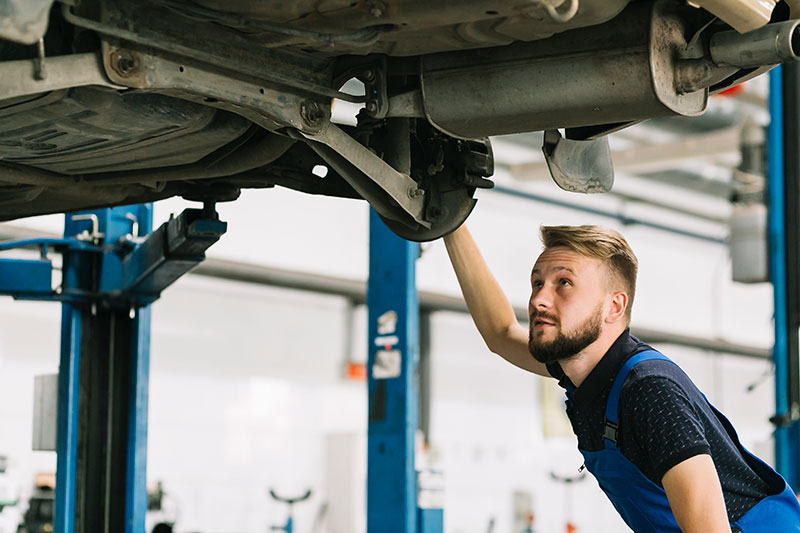
Care Tips for Older Cars
Taking good care of your older car involves regular checks on key components like brakes, oil and filters, the cooling system, and tires, as well as keeping the exterior clean. By staying vigilant with these maintenance tasks, you'll guarantee your vehicle runs smoothly and safely. Let's look at each of these essential care tips in more detail.
Check Brakes
Regularly checking your brakes is essential to guarantee your older car's safety and performance on the road. Begin by evaluating your brake performance. Pay attention to how your car responds when you press the brake pedal. If you notice any decrease in responsiveness or a spongy feeling, it's time to investigate further.
Inspect your brake pads regularly. Worn-out brake pads can greatly impair your vehicle's braking ability and damage the rotors. Listen for squeaking or grinding noises, which often indicate that the brake pads need replacing. Don't wait for these signs to become more serious - prompt action can prevent costly repairs down the line.
Check your brake fluid levels periodically. Low brake fluid can compromise your braking system, leading to dangerous driving conditions. Look for any signs of leakage around the brake lines and master cylinder. If you spot any, have them repaired immediately.
Lastly, pay attention to any vibrations or pulling to one side when braking. These symptoms can indicate warped rotors or uneven wear on the brake components. Regularly scheduled brake inspections by a reliable mechanic will help keep your older car in top shape and guarantee your safety on the road.
Check Oil and Filters
One of the most critical steps in maintaining an older car is to check and change the oil and filters regularly. You need to stay on top of your oil change frequency to keep your engine running smoothly.
Older cars often require more frequent oil changes, typically every 3,000 to 5,000 miles, depending on your vehicle's specifications. Ignoring this can lead to increased engine wear and costly repairs.
There are several filter types you should be aware of: oil filters, air filters, and fuel filters. Each plays a crucial role in keeping your engine clean and efficient. Change these filters according to your vehicle's maintenance schedule to maintain peak performance.
To make things easier, keep a checklist handy:
- Check oil levels monthly - Low oil can cause severe engine damage.
- Replace the oil filter with every oil change - This guarantees better filtration and engine health.
- Inspect the air filter every 12,000 miles - A clean air filter improves fuel efficiency.
- Change the fuel filter every 20,000 to 40,000 miles - This helps maintain smooth engine performance.
- Look for oil leaks regularly - Addressing leaks promptly can save you from major repairs.
Staying diligent with these tasks will guarantee your older car remains reliable and efficient.
Check Cooling System
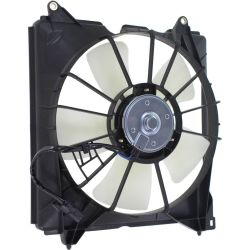
Keeping your car's cooling system in top shape is important to prevent overheating and guarantee engine longevity. Start by regularly checking the coolant levels and topping off as needed.
There are various coolant types, so make sure you use the one specified in your vehicle's manual. Mixing different coolant types can lead to reduced efficiency or even damage the system.
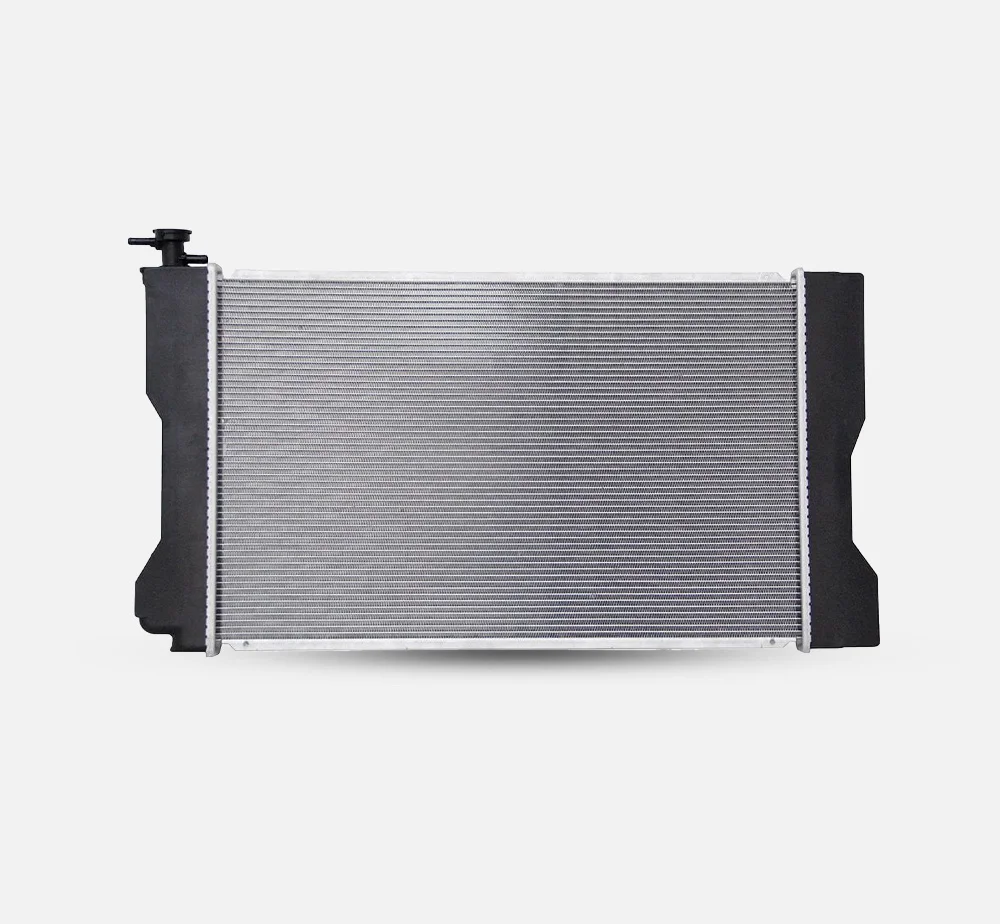
Pay attention to overheating signs like steam from the hood, a rising temperature gauge, or a sweet smell from the engine. These indicators suggest your cooling system may need immediate attention. Inspect the radiator and coolant hoses for any cracks, leaks, or wear. Replace damaged hoses promptly to avoid sudden breakdowns.
A regular coolant flush is also significant. It removes old coolant and any contaminants that could clog your system, making sure performance is at its best. Check the water pump for leaks or unusual noises, as it plays an essential role in circulating coolant throughout the engine.
Check Tires
To guarantee your older car remains safe and efficient, frequently check the tire pressure and tread depth. Properly maintained tires are vital for your vehicle's performance and safety. Start by checking the tire pressure monthly, and always refer to your car's manual for the recommended PSI levels. Under-inflated tires can lead to poor fuel efficiency and increased wear.
Next, inspect the tread depth. Use a tread depth gauge or the penny test to confirm your tires have enough grip. Tires with worn-out tread can compromise your car's handling, especially in wet conditions. Replace tires when the tread is below 2/32 of an inch.
Regular tire rotation is another essential practice. Rotating your tires every 5,000 to 7,500 miles helps guarantee even wear and extends their lifespan.
Here are some quick tips to keep your tires in top shape:
- Check tire pressure monthly.
- Monitor tread depth regularly.
- Rotate your tires every 5,000 to 7,500 miles.
- Balance and align tires to improve handling.
- Replace tires when tread is below 2/32 inch.
Clean the Exterior
Regularly cleaning your car's exterior not only keeps it looking sharp but also protects the paint and prevents rust. Start by giving your car a thorough wash using a gentle car shampoo. Avoid dish soap or other harsh detergents that can strip away the protective layers of your paint.
Once your car is clean, it's time to focus on paint protection. Apply a high-quality exterior waxing product to your car's surface. This step is essential because waxing creates a protective barrier against UV rays, road grime, and other environmental hazards. It also gives your car that showroom shine, enhancing its overall appearance.
Don't forget to clean the undercarriage, especially if you live in an area that uses road salt during the winter. Salt can accelerate rusting, so a good rinse can prevent long-term damage.
Pay attention to the details-clean the wheels and tires, and don't neglect the windows and mirrors. Use a glass cleaner for a streak-free finish.
Conclusion
Think of your car as an heirloom, a cherished artifact handed down through generations. Its beauty and function depend on your attentive care, like a gardener tending to a timeless rose garden.
By routinely checking brakes, oil, cooling systems, and tires, and keeping the exterior pristine, you're not just maintaining a vehicle-you're preserving a legacy. Treat it with the love it deserves, and it will continue to bloom and captivate, year after year.
FAQs (Frequently Asked Questions)
How Often Should I Check for Rust on an Older Car?
- You should check for rust on an older car every three months. Regular inspection frequency helps with rust prevention, ensuring early detection and treatment. Don't wait for visible damage; stay proactive to protect your vehicle.
Can I Use Synthetic Oil in an Older Engine?
- You can definitely use synthetic oil in an older engine. The synthetic oil benefits include better lubrication and protection, which enhances older engine compatibility. Just guarantee you follow the manufacturer's guidelines for proper use.
How Do I Improve the Fuel Efficiency of an Older Car?
- To squeeze every drop of efficiency from your older car, start by adding fuel additives to clean the engine. Keep tire pressure ideal to guarantee smooth rides. These small steps will make a big difference.