



Noticed an unsightly dent or scratch on your car? It might seem like a hassle, but fixing minor auto body damage at home is easier than you think. With the right tools and techniques, you can repair dents, scratches, and paint chips without spending hundreds at a body shop. All it takes is a little patience, attention to detail, and a step-by-step approach to get professional-looking results.
Taking the time to fix these minor imperfections not only improves your car's appearance but also helps maintain its value.
Whether it's a dent from a parking mishap or a scratch from a stray shopping cart, you don't have to live with the damage-or pay a fortune to fix it. With the right approach, you can restore your car's flawless finish and take pride in a job well done. Ready to get started? Let's break down the process step by step.
Key Takeaways
- Gather essential tools like sandpaper, body filler, and matching paint for effective minor auto body repairs.
- Prioritize safety with gloves, masks, and goggles, ensuring a well-ventilated workspace.
- Clean and prepare the damaged area thoroughly before starting any repair for best results.
- Use a plunger or suction cup to pull out small dents, followed by body filler for smoothness.
- Apply primer, matching paint, and clear coat after sanding for a professional finish.
Tools and Materials You Will Need
Success in DIY auto body repairs depends on having the right tools. Sandpaper is essential for smoothing damaged areas, while a sanding block helps maintain an even surface. Body filler and an applicator are needed to repair dents.
To restore the car's original look, you'll also need primer, matching paint, and a clear coat for protection. A polishing compound and microfiber cloths will add the final touch, ensuring a smooth, glossy finish.
When selecting paint, check your vehicle's color code, usually found inside the driver's door or under the hood. Using the right shade prevents noticeable mismatches and helps blend the repair seamlessly with the rest of the car.
Safety Precautions
Before you begin, prioritize safety. Auto body repairs often involve chemicals and fine dust, which can be harmful if inhaled or absorbed through the skin. Always wear gloves and a mask to protect yourself. Safety goggles are essential when sanding or working with paint to prevent irritation or injury.
Proper ventilation is just as important. Work in an open space or a garage with doors and windows open to disperse fumes from paints and solvents. If necessary, use fans to improve airflow. Following safety guidelines ensures that your repair process is both effective and safe.
Types of DIY Auto Repair Work
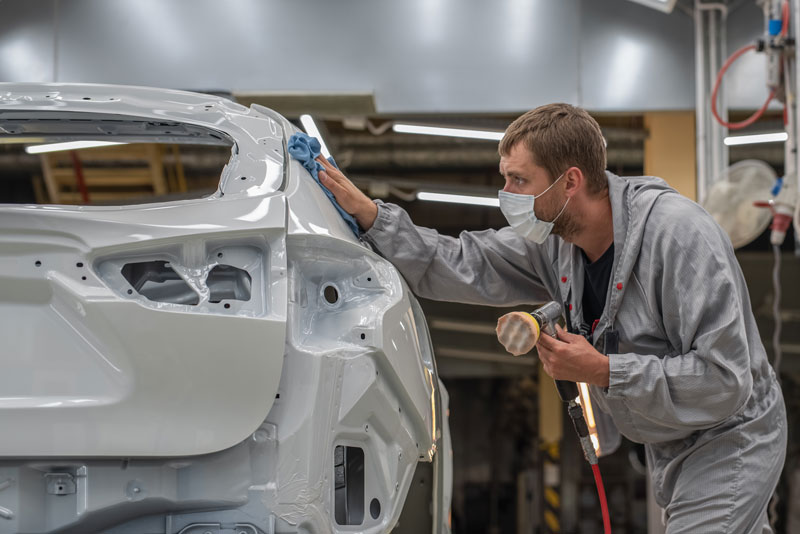
When repairing minor car damage, you'll most often deal with dents, scratches, and paint chips. Each type of damage requires a specific approach to achieve a professional-looking result.
Fixing Small Dents
Start by cleaning the area around the dent to remove any dirt or grease. If the dent is shallow, use a plunger or a suction cup to pull it out. For stubborn dents, applying heat with a hairdryer and then using compressed air can sometimes pop the metal back into place.
If the dent remains, body filler will be needed. Apply the filler carefully, let it dry, and sand it smooth before priming and painting. A final clear coat will help protect the repair and give it a factory-finish look.
Repairing Scratches
Scratches can range from surface-level marks to deeper cuts that reach the metal. For light scratches, polishing with a compound can often remove them. Deeper scratches require more attention. After cleaning the area, use fine sandpaper to smooth the edges of the scratch.
Apply touch-up paint using a fine brush, ensuring it blends well with the surrounding paint. Once dry, seal the repair with a clear coat and finish by polishing the surface for a seamless appearance.
Dealing with Paint Chips
Ignoring paint chips can lead to rust, which makes repairs more complicated down the line. The first step in fixing a chip is to clean the area thoroughly. Use fine sandpaper to smooth the edges of the chip so that the new paint blends well.
Apply touch-up paint carefully, letting it dry before adding additional layers if necessary. A clear coat will help protect the area and restore the car's original shine. Taking these steps early can prevent further damage and keep your vehicle looking well-maintained.
Polishing for a Professional Finish
After completing any repair, polishing the surface makes a significant difference in the final appearance. Choose a polishing compound that matches your car's paint type. Using a microfiber cloth, apply the compound evenly and buff the area in circular motions.
This helps remove any minor imperfections and enhances the gloss of the paint. Proper polishing ensures that the repaired area blends seamlessly with the rest of the car, making your DIY work look professional.
Final Thoughts
With patience and the right approach, minor auto body repairs are completely manageable at home. Whether dealing with dents, scratches, or paint chips, following a structured repair process leads to great results.
Over time, these skills will save you money and help maintain your car's value. Next time your vehicle has minor damage, you'll be ready to fix it with confidence.
FAQs (Frequently Asked Questions)
How Do I Determine if a Dent Requires Professional Repair?
- You should assess dent types and repair costs. If the dent's deep, affects structural integrity, or involves complex paintwork, consider professional help. Otherwise, minor dents can often be tackled at home, saving on repair costs.
Can DIY Repairs Maintain Vehicle Resale Value?
- Oh, you think you're a pro now? Your DIY maintenance might not rival a professional's touch, but hey, at least it's cheap! While it won't skyrocket resale value, it can keep things respectable if done right.
What Is the Best Way to Find My Car's Paint Color Code?
- You'll find your car's paint code by checking the vehicle identification number (VIN) plate, usually located on the driver's side door jamb or under the hood. It guarantees you get the exact color match for repairs.