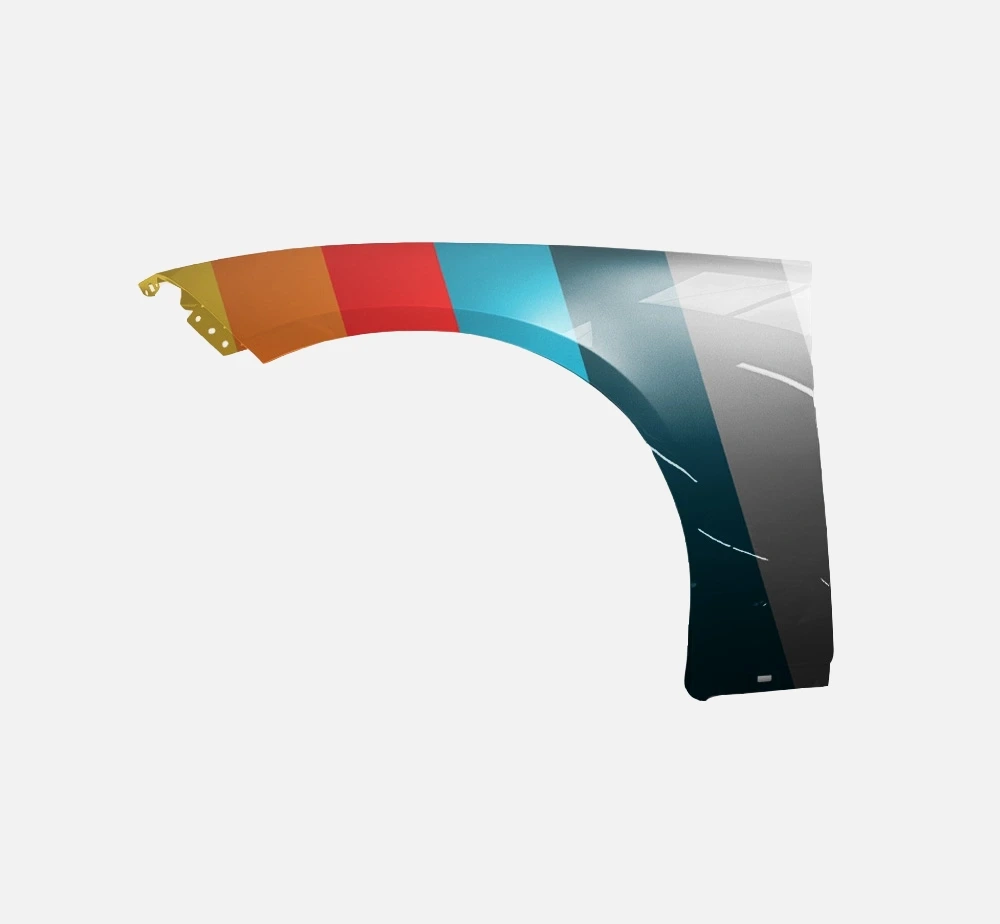







To fix dings in your car fender, start with a suction cup tool for shallow metal dents. For thermoplastic and metal, use hot air followed by compressed air to reshape it. Boiling water works wonders on plastic, letting you push out dents by hand. When in doubt, professional repair guarantees a flawless finish.
Ready to learn some specific techniques and tips?
Key Takeaways
- Use a suction cup for shallow dents on metal fenders after cleaning for a strong grip.
- Apply hot air followed by compressed air for repairs on thermoplastic and metal fenders.
- Pour boiling water on plastic fenders to soften and reshape dents from behind.
- Consider professional repair for complex dents to ensure a flawless finish and paint match.
- DIY methods include suction cups, hot air, and boiling water for cost-effective dent repairs.
What Are the Most Common Fender Damages?
When it comes to common fender damage, minor collisions and parking mishaps are frequent culprits. You often find dings and dents on different fender types, whether they're made of steel, fiberglass, or carbon fiber. To avoid these damages, consider dent prevention strategies like careful parking and using protective covers.
If you do end up with a dent, evaluating repair costs is essential. DIY tools, such as suction cups and pulling handles, offer a cost-effective solution for minor damages. However, for more complex repairs, you might need professional services to guarantee quality results.
How to Fix Dings in a Car Fender: 4 Methods
When you're looking to fix dings in your car fender, several methods can help, depending on the material and severity of the damage. Here is what you need to know.
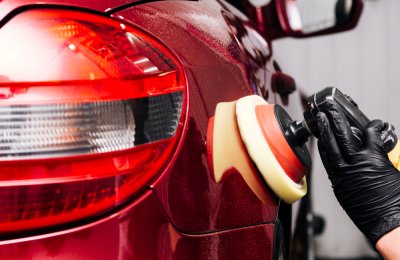
Suction Cup Method
If you're looking for a quick and easy way to fix dings in your car fender, the suction cup method might be your best bet. This technique's effectiveness largely depends on dent depth considerations and the vehicle material impact.
Shallow dents in metal fenders respond best, making older cars ideal candidates. For DIY repair tips, thoroughly clean the area to guarantee a strong grip. Press the suction cup firmly onto the dent, then pull straight out to restore the panel.
However, if your car features composite materials, this method might not work as well. In such cases, consider suction cup alternatives like a professional dent removal kit or DIY pulling handles with hot glue for better results.
Hot Air and Compressed Air Method
Moving on from the suction cup method, let's explore the hot air and compressed air technique for fixing dings in your car fender. This DIY method is effective for both thermoplastic and metal fender repair. Start by applying hot air using a hairdryer or heat gun to the dented area.
The heat causes the material to expand, aiding in dent removal. Once the area is sufficiently heated, immediately spray it with compressed air. The rapid cooling will shrink the fender, working the dent back into shape. Be patient, as it might take a few tries to achieve the desired result.
Remember, this technique works best for shallow dings and might require multiple attempts for more stubborn dents.
Boiling Water Method
Despite the array of tools and techniques available, you might find that the boiling water method is a surprisingly effective approach for fixing dings in a car fender. The heat application method softens the plastic, making it easier to reshape.
Simply pour boiling water over the dent, then reach behind the fender to push it out. This technique is a great addition to your fender maintenance tips and requires minimal DIY repair tools.
Boiling water benefits include:
- Low cost: You only need a pot of boiling water.
- Simplicity: Easy for anyone to try.
- Quick results: Fixes dents in minutes.
- Versatile: Works on various plastic fenders.
- Non-damaging: No risk of scratching paint.
Try this dent repair technique for a quick fix!
Professional Repair and Repaint
While the boiling water method offers a quick and budget-friendly fix, some dents demand a more thorough approach. For a flawless finish, consider professional repair and repaint services. Experts use advanced techniques to guarantee your fender looks brand new.
They provide accurate cost estimates upfront, so you won't face unexpected expenses. Paint matching is essential, and professionals excel in blending new paint seamlessly with your existing color, maintaining your car's pristine look.
Additionally, many repair shops offer warranty options, giving you peace of mind regarding the quality and longevity of the repair. Time efficiency is another advantage - professionals can often complete the job faster than DIY methods, minimizing the inconvenience of being without your car for long periods.
Is Driving With a Dented Fender Dangerous?
How much risk does a dented fender pose when you're driving your car? While a dent might seem minor, it can impact more than just vehicle aesthetics. The dent impact may not immediately compromise road safety, but it could affect your car's aerodynamics and wear over time. Additionally, ignoring it might lead to rust, increasing repair costs later on.
Consider these factors:
- Road safety: A dent might interfere with vehicle sensors or lights.
- Insurance coverage: Some policies may not cover neglected damage.
- Repair costs: Delays could lead to more expensive repairs.
- Vehicle aesthetics: Resale value might decrease if damage is visible.
- Structural integrity: Severe dents could affect structural performance.
Fixing the dent promptly can help maintain your car's safety and value.
Final Thoughts
You've now got the tools and techniques to tackle those pesky dings on your car fender, transforming it back to its sleek, pristine condition. Think of yourself as a sculptor, chiseling away imperfections to reveal the masterpiece beneath.
Whether you're using a suction cup or hot air, you've got the skills to smooth out those bumps. And remember, if things get too bumpy, a professional's always ready to lend a hand. Happy repairing!
Frequently Asked Questions
How Do I Prevent Dents From Reappearing in Varying Weather Conditions?
- You can prevent dents from reappearing by weatherproofing your car. Use impact-resistant materials and apply protective coatings. Regular seasonal maintenance and using dent prevention techniques like proper parking can help keep your vehicle looking pristine.
What Type of Suction Cup Works Best for Removing Dents?
- You should choose a suction cup with an easy-to-grip pulling handle for effective dent removal. DIY dent repair benefits from reading suction cup reviews to find the best types that work with various dent removal techniques.
Can Hot Glue Methods Damage the Car's Paintwork?
- When using hot glue, you risk paint damage if you're not careful. For effective car maintenance, follow DIY tips like avoiding high temperatures and testing repair techniques on inconspicuous areas to guarantee your paint remains intact.