





A high-performance engine generates enormous amounts of heat. Without a reliable cooling system, even the most powerful car will suffer from overheating, reduced efficiency, and potential damage. The radiator is at the center of this cooling process, transforming excess engine heat into manageable temperatures that keep vehicles running at peak performance.
Modern performance radiators are not simply functional components - they are precision-engineered systems that balance airflow, materials science, and fluid dynamics. Understanding how they work, what makes them effective, and how to maintain them is essential for any enthusiast who wants to get the best from their vehicle.
Key Takeaways:
- Radiators regulate engine temperature, preventing overheating in high-performance driving conditions.
- Modern designs rely on advanced materials, multi-row cores, and efficient fin layouts for improved cooling.
- Choosing the right radiator involves sizing, compatibility, and budget considerations.
- Proper installation and regular maintenance are critical to radiator longevity and effectiveness.
The Evolution of Car Radiators: From Necessity to Performance
The earliest radiators in the early 1900s were simple brass or copper tanks with basic tubes. They provided enough cooling for low-horsepower engines but struggled under higher loads. As automotive technology advanced, so did the demands on cooling systems.
By the mid-20th century, aluminum radiators became popular for their lighter weight and improved thermal conductivity. Motorsport accelerated innovation further, driving the development of multi-row cores, high-density fins, and precision welding techniques.
Today's high-performance radiators are not just about preventing overheating, they are designed to optimize efficiency, reduce weight, and handle the intense thermal demands of turbocharged, supercharged, and track-driven engines.
Key Components: The Anatomy of a High-Performance Radiator
A high-performance radiator is more than a tank filled with coolant.
Each part is carefully engineered to improve heat exchange and efficiency:
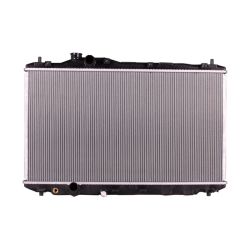
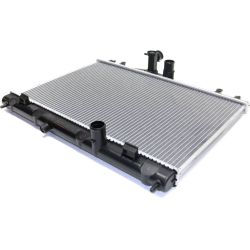
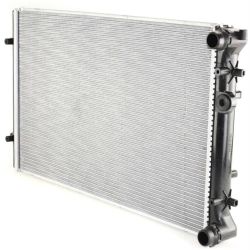
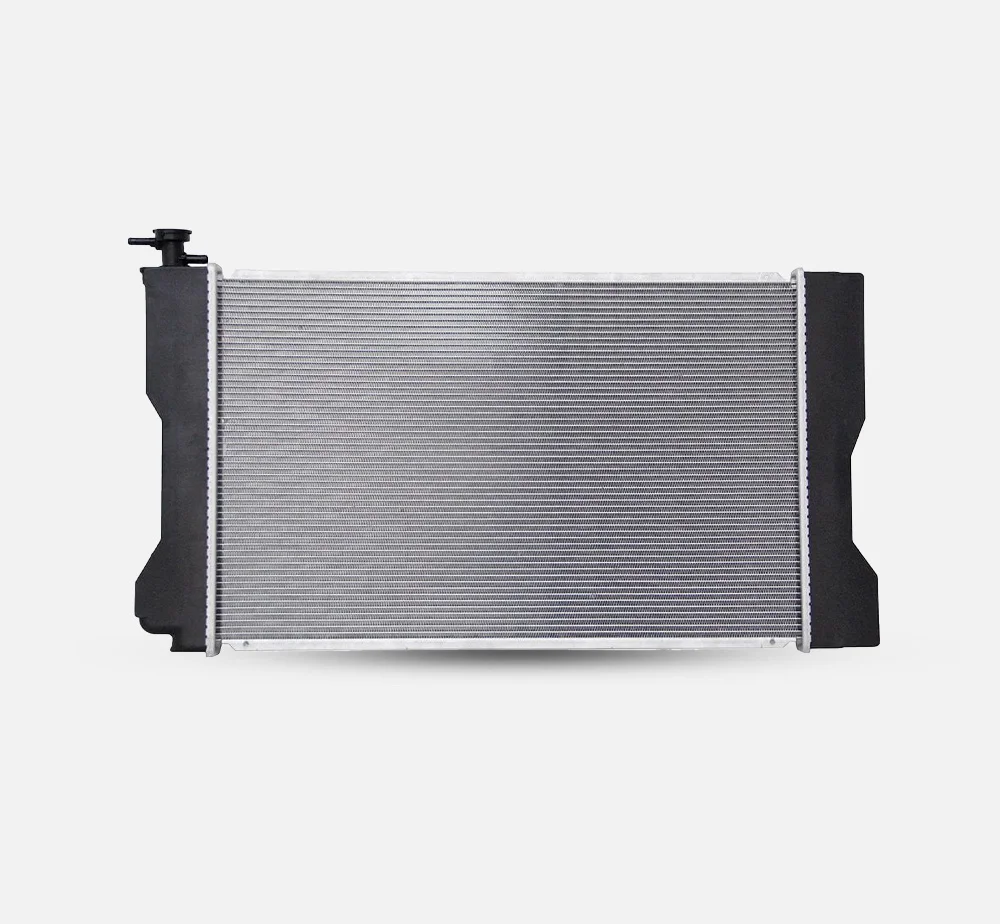
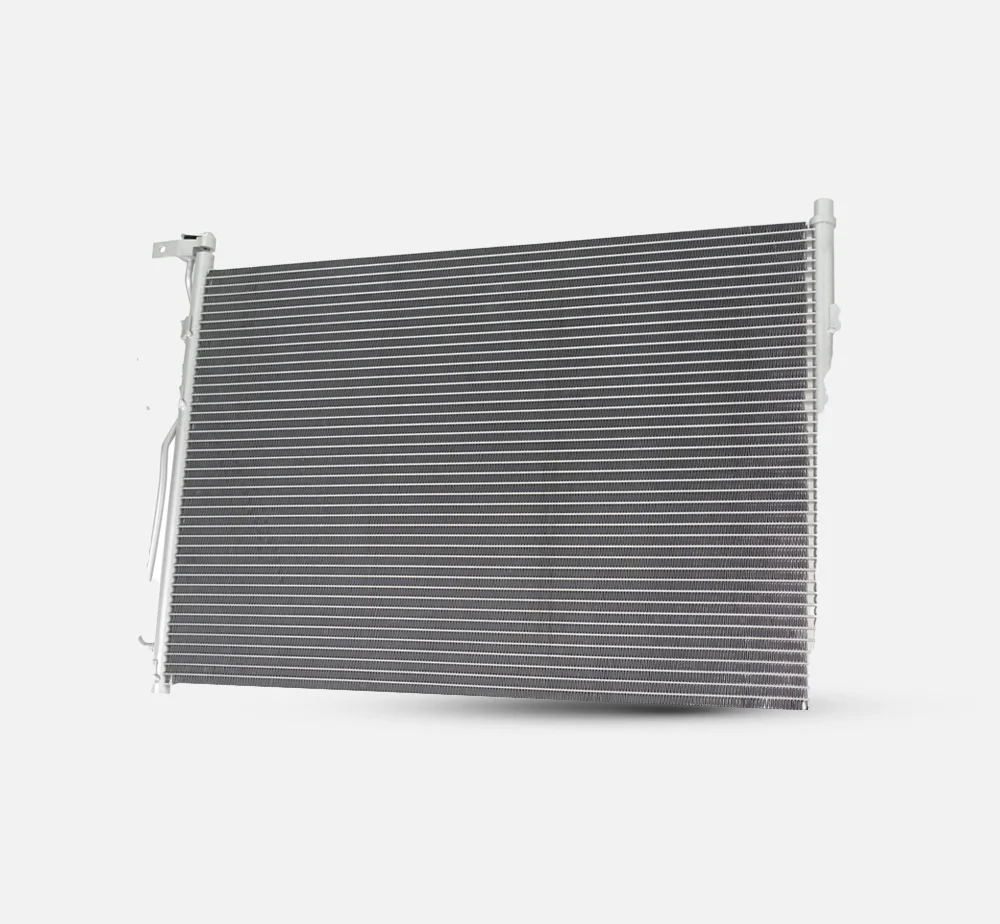
- Core - The central section where coolant flows. High-performance radiators often use thicker, multi-row cores with greater surface arheat dissipation.
- Tubes - Carry coolant through the core. Wider and flatter tubes improve coolant contact with fins.
- Fins - Thin metal strips that increase surface area and allow heat to dissipate into airflow. Denser fins improve cooling but may rstronger fans.
- Tanks - Located on either side of the core, they direct coolant flow through the tubes. Modern designs often use aluminum for dura
- Inlet and Outlet Ports - Manage the entry and exit of coolant, designed for high flow rates in performance applications.
The synergy of these components determines how efficiently a radiator keeps an engine at its ideal operating temperature.
Materials Matter: Advanced Alloys in Performance Radiators
Material choice is one of the most important factors in radiator design.
- Aluminum is the standard for modern performance radiators. It is lightweight, resists corrosion, and provides excellent tconductivity. TIG-welded aluminum radiators dominate motorsport and aftermarket upgrades.
- Copper-brass radiators, once common, offer excellent heat transfer but are heavier and less durable than aluminum.
- Plastic tanks are often used in OEM radiators to cut costs but lack the durability required for high-performance driving.
High-end performance radiators also incorporate reinforced alloys or hybrid composites that withstand extreme pressure and vibration. These advanced materials allow radiators to perform under the stress of track conditions and aggressive driving.
The Science of Cooling: How Radiators Keep Engines at Peak?
At its core, a radiator uses heat exchange to regulate temperature. Hot coolant leaves the engine, enters the radiator, and flows through tubes surrounded by fins. As air passes over the fins, heat dissipates into the atmosphere.
In high-performance cars, cooling systems are supported by:
- Water pumps that ensure strong coolant circulation.
- Thermostats that regulate when coolant flows into the radiator.
- Electric or mechanical fans that force air through the core during low-speed driving.
Some performance setups use dual-pass radiators, where coolant flows twice across the core for better cooling, or triple-pass systems in extreme racing applications. By optimizing coolant flow and airflow, radiators keep engines in their ideal temperature range even under full throttle.
Choosing the Right Radiator
Sizing Up: Selecting the Ideal Radiator
The right radiator depends on engine output, driving style, and vehicle space. Larger engines or turbocharged builds require thicker, multi-core radiators to manage increased heat. However, too large a radiator can restrict airflow or require modifications.
When upgrading, consider clearance with fans, belts, and intercoolers. A well-matched radiator ensures efficient cooling without compromising fitment.
Performance vs. Price: Finding the Balance
Performance radiators range from budget-friendly aluminum units to premium racing-spec models with advanced features. While a track car may benefit from a three-core, TIG-welded radiator, a street performance car may only need a quality two-core design. Striking the right balance prevents overspending while ensuring reliable cooling.
Beyond the Basics: Specialized Radiators
Enthusiasts with extreme needs can explore specialized options such as:
- Dual-pass or triple-pass designs for maximum cooling.
- Integrated oil coolers or transmission coolers for combined heat management.
- Custom-fit radiators built for modified vehicles with unique engine bays.
These advanced solutions allow serious drivers to fine-tune their cooling systems for specific conditions.
Installing Your High-Performance Radiator
DIY or Professional Installation
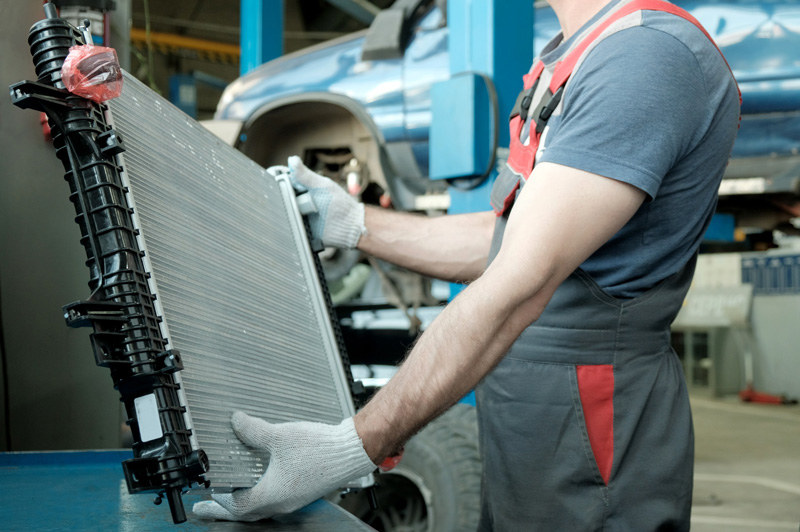
DIY installation saves money but requires technical knowledge of coolant systems, bleeding procedures, and proper mounting. Mistakes can lead to leaks or overheating. Professional installation ensures precision, especially when dealing with custom-fit radiators or vehicles with integrated ADAS systems.
Common Installation Mistakes
The most frequent errors include:
- Failing to bleed air pockets, which cause hotspots.
- Using old hoses or clamps that leak under pressure.
- Mounting the radiator improperly, leading to vibration damage.
Tips for Optimal Performance
To maximize performance:
- Always pair upgrades with high-quality coolant rated for your engine.
- Install matching fans and shrouds to optimize airflow.
- Check clearances around belts, pulleys, and turbo components before finalizing installation.
Maintenance Tips
Prolonging Radiator Lifespan
Simple habits greatly extend radiator life:
- Regularly check coolant levels.
- Inspect hoses for cracks or swelling.
- Keep the radiator free of debris like leaves, bugs, and dirt.
- Use only the coolant recommended by the manufacturer.
Signs of Trouble
Warning signs include rising temperature gauges, coolant puddles under the car, or a sweet smell from leaking antifreeze. Overheating, rust-colored coolant, or clogged fins are also clear indicators of trouble. Early detection prevents catastrophic engine damage.
Flushing and Filling
Routine flushing removes sediment, scale, and old coolant that restrict flow. High-performance vehicles benefit from flushing every 12-24 months, depending on use. Refilling with fresh, high-quality coolant ensures optimal thermal transfer and corrosion protection.
Final Thoughts
High-performance radiators are more than cooling devices, they are critical components that determine whether an engine thrives or fails under pressure. From advanced materials and multi-core designs to proper sizing and maintenance, every detail matters.
For enthusiasts who demand the most from their cars, investing in the right radiator ensures consistent performance, reliability, and longevity. By understanding how these systems work and caring for them properly, drivers can keep their "hot wheels" running cool in every condition.
FAQs (Frequently Asked Questions)
- What is the primary role of radiators in high-performance cars?
- Radiators in high-performance cars play a crucial role in maintaining the ideal operating temperature of the engine during high-speed drives and intense conditions, ensuring optimal engine performance.
- How have car radiators evolved from being a necessity to performance enhancers?
- The evolutionary journey of car radiators traces their transformation from a necessity for engine functionality to performance enhancers, adapting to the demands of modern, high-speed vehicles.
- What are the key components of a high-performance radiator?
- The key components include core materials, intricate networks of tubes, fins, and tanks, each playing a pivotal role in achieving efficient heat dissipation in high-performance radiators.
- How do advanced alloys contribute to the performance of high-performance radiators?
- Advanced alloys elevate the durability and thermal conductivity of high-performance radiators, ensuring they withstand the rigors of high-speed driving and contribute to superior performance.
- What factors should be considered when choosing the right radiator for a vehicle?
- When choosing a radiator, factors beyond compatibility should be considered, including sizing for efficient heat dissipation, the balance between performance and price, and exploring specialized options for enhanced cooling tailored to driving needs.