



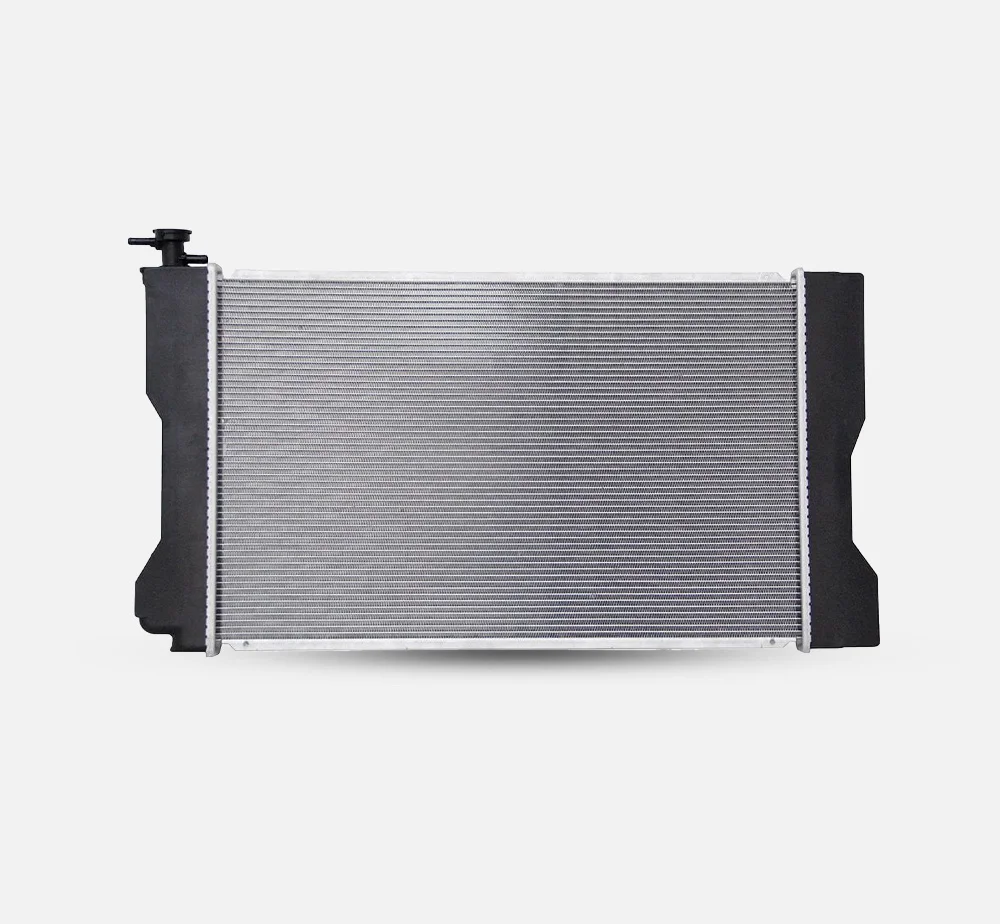
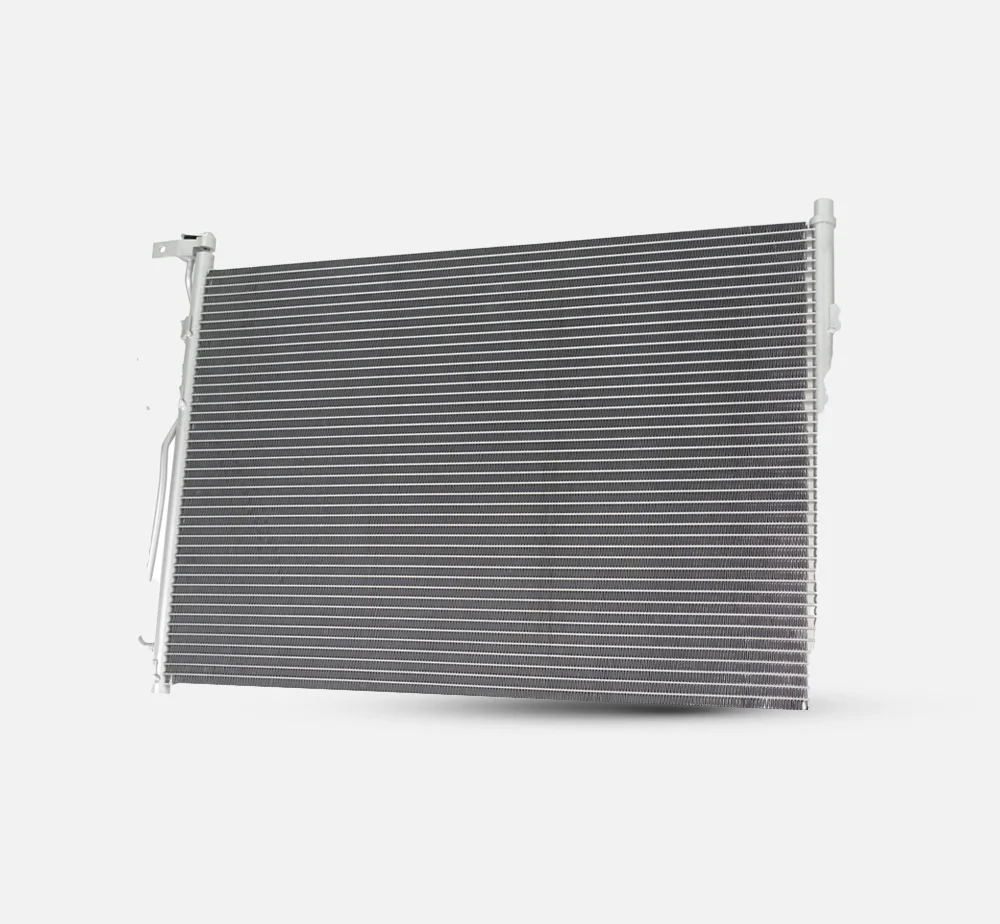
An engine produces enormous amounts of heat during operation, and without proper cooling, it can quickly reach dangerous temperatures. The radiator and cooling system work together to regulate engine heat, but when they fail, overheating becomes inevitable.
Overheating is more than an inconvenience - it is one of the fastest ways to cause serious, expensive damage to a vehicle.
Drivers who understand the importance of temperature regulation and who know how to recognize early warning signs are far better equipped to protect their vehicles from costly breakdowns.
This article explores why engines overheat, the most common symptoms, and the long-term risks of ignoring this critical issue.
Key Takeaways:
- The cooling system, led by the radiator, is responsible for controlling engine temperatures during all driving conditions.
- Overheating can result from low coolant, blocked radiators, faulty water pumps, broken fans, or thermostat malfunctions.
- Warning signs include rising gauges, steam, unusual odors, and performance loss.
- Ignoring overheating can lead to blown gaskets, warped cylinder heads, and complete engine failure.
Importance of Understanding Engine Temperature Regulation
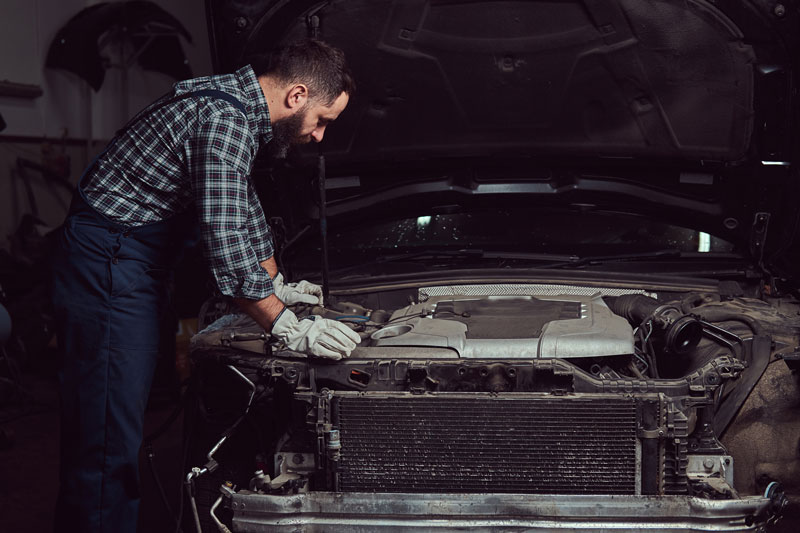
Engines operate within a narrow temperature range to maximize efficiency and prevent damage. The cooling system circulates coolant through the engine block, absorbs heat, and transfers it to the radiator where it is dissipated into the air. Modern cars also rely on electric fans, thermostats, and sensors to keep the process balanced.
When the cooling system is compromised, the engine can spike in temperature within minutes. Even short episodes of overheating can weaken seals, damage metal components, and reduce long-term reliability. This is why knowledge of engine cooling is essential for every driver, not only enthusiasts or mechanics.
Causes of Engine Overheating
Low Coolant Levels
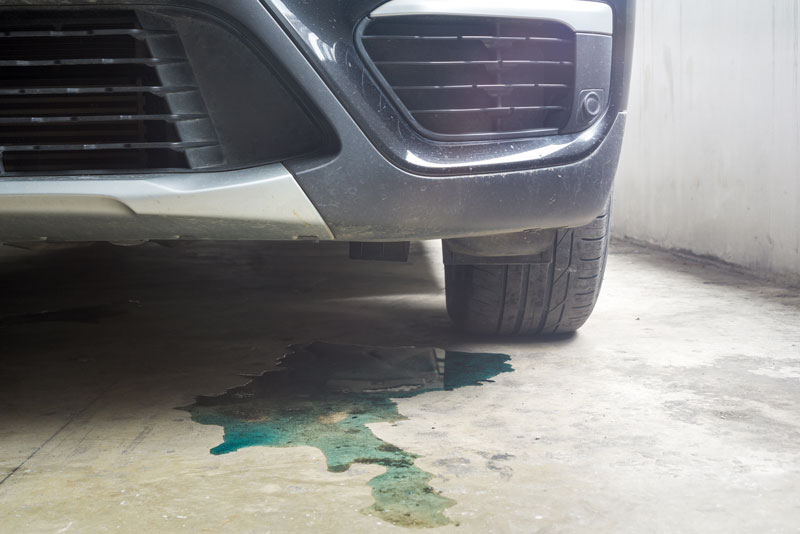
Coolant is vital for heat transfer. If leaks occur in hoses, the radiator, or the water pump, the system loses its ability to regulate temperature. Low coolant means less fluid to absorb heat, and without enough pressure in the system, boiling occurs more quickly.
Radiator Leaks and Blockages
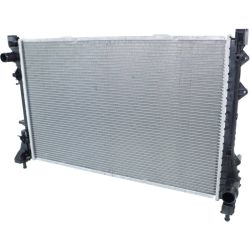
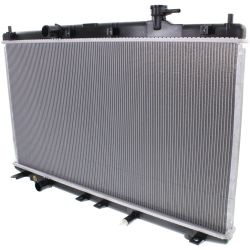
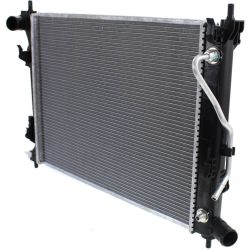
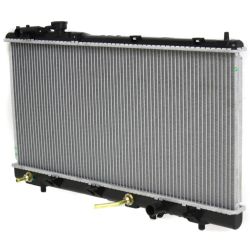
Radiators can develop leaks at seams, caps, or from corrosion. They may also become clogged with dirt, rust, or old coolant deposits. A restricted radiator limits coolant circulation, forcing heat to remain trapped inside the engine.
Malfunctioning Thermostat
The thermostat regulates when coolant flows between the engine and radiator. If it sticks closed, coolant cannot circulate, causing immediate overheating. A thermostat stuck open prevents the engine from reaching optimal operating temperature, reducing efficiency and increasing wear.
Broken Water Pump
The water pump is the cooling system's circulation hub. When its impeller blades wear out or its bearings fail, coolant stagnates. Without circulation, even a full coolant reservoir cannot stop the engine from overheating.
Cooling Fan Failure
Cooling fans provide essential airflow through the radiator at low speeds or in stop-and-go traffic. A damaged fan motor, bad relay, or worn clutch can prevent fans from activating, making the system ineffective when the vehicle is not moving fast enough to generate airflow naturally.
Clogged Hoses or Air Pockets
Over time, hoses can collapse internally or accumulate buildup that restricts coolant movement. Air pockets, often caused by improper refilling after coolant changes, disrupt flow and create hot spots. Both issues reduce cooling efficiency and contribute to overheating.
These causes demonstrate how multiple components must work together perfectly. If any one part fails, the entire cooling system is compromised.
Symptoms of an Overheating Engine
Rising Temperature Gauge
The temperature gauge provides the most direct warning. A steady climb into the red zone means the engine is surpassing its safe limits. Ignoring this signal can lead to rapid mechanical damage.
Steam or Vapor
White steam from under the hood is a clear indicator that coolant has boiled inside the system. This is a serious warning sign, as coolant loss and boiling fluid can cause sudden engine failure.
Unusual Smells
Overheating often produces distinctive odors. A sweet smell indicates coolant leaks, while a burnt or acrid odor suggests engine oil or components are overheating. Both require immediate attention.
Inconsistent Cabin Heating or Cooling
A failing radiator or blocked coolant flow can disrupt cabin climate control. If the heater blows cold air despite a hot engine, it signals a coolant circulation issue.
Performance Loss
Engines under heat stress lose efficiency. Drivers may notice reduced power, sluggish acceleration, or even misfiring. Persistent overheating also increases fuel consumption.
Recognizing these symptoms early gives drivers the chance to stop the car safely and prevent further damage.
Consequences of Ignoring Overheating
Blown Head Gasket
One of the most common consequences of prolonged overheating is a blown head gasket. When this seal fails, coolant mixes with engine oil, leading to contamination, poor lubrication, and eventual engine seizure.
Warped or Cracked Cylinder Head
High temperatures cause metal to expand unevenly. Cylinder heads, often made of aluminum, are especially vulnerable to warping or cracking when overheated. Repairing or replacing a head is costly and labor-intensive.
Engine Oil Breakdown
Overheating reduces the viscosity of engine oil, stripping it of its protective qualities. Without proper lubrication, bearings and moving parts grind against each other, accelerating wear.
Piston and Cylinder Damage
Extreme heat can cause pistons to expand too much, scoring cylinder walls and reducing compression. In severe cases, engines seize entirely, requiring full replacement.
Complete Engine Failure
The most severe outcome of ignoring overheating is catastrophic engine failure. Rebuilding or replacing an engine is one of the most expensive repairs a car can face, often costing more than the vehicle's market value.
These consequences underline the importance of never driving with an overheating engine. The cost of prevention and repair at the early stage is far less than the price of full mechanical failure.
Final Thoughts
Engine overheating is one of the most serious problems a driver can encounter. While modern vehicles are equipped with sensors and warning systems, understanding how the cooling system works and recognizing early symptoms is the best protection. Addressing issues such as low coolant, radiator leaks, or thermostat failures promptly can prevent catastrophic engine damage.
By respecting the importance of temperature regulation and acting at the first signs of trouble, drivers ensure not only the longevity of their vehicles but also safer, more reliable journeys.
FAQs (Frequently Asked Questions)
How often should I check my coolant levels?
- It's advisable to check your coolant levels at least once a month.
Can I use any coolant for my car?
- No, it's essential to use the coolant specified in your vehicle's owner's manual.
What should I do if I discover a coolant leak?
- Address it promptly by identifying the source and consulting a mechanic for repairs.
Is overheating always a sign of radiator problems?
- While it can be, other factors may contribute. It's crucial to investigate promptly.
Are DIY radiator checks sufficient for maintenance?
- They help, but professional inspections are necessary for a comprehensive assessment.