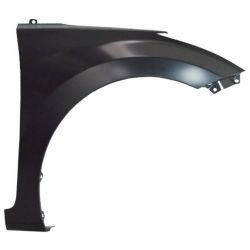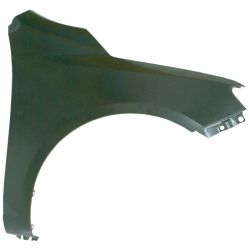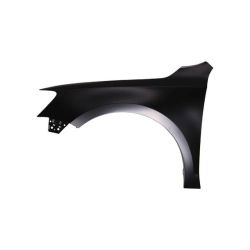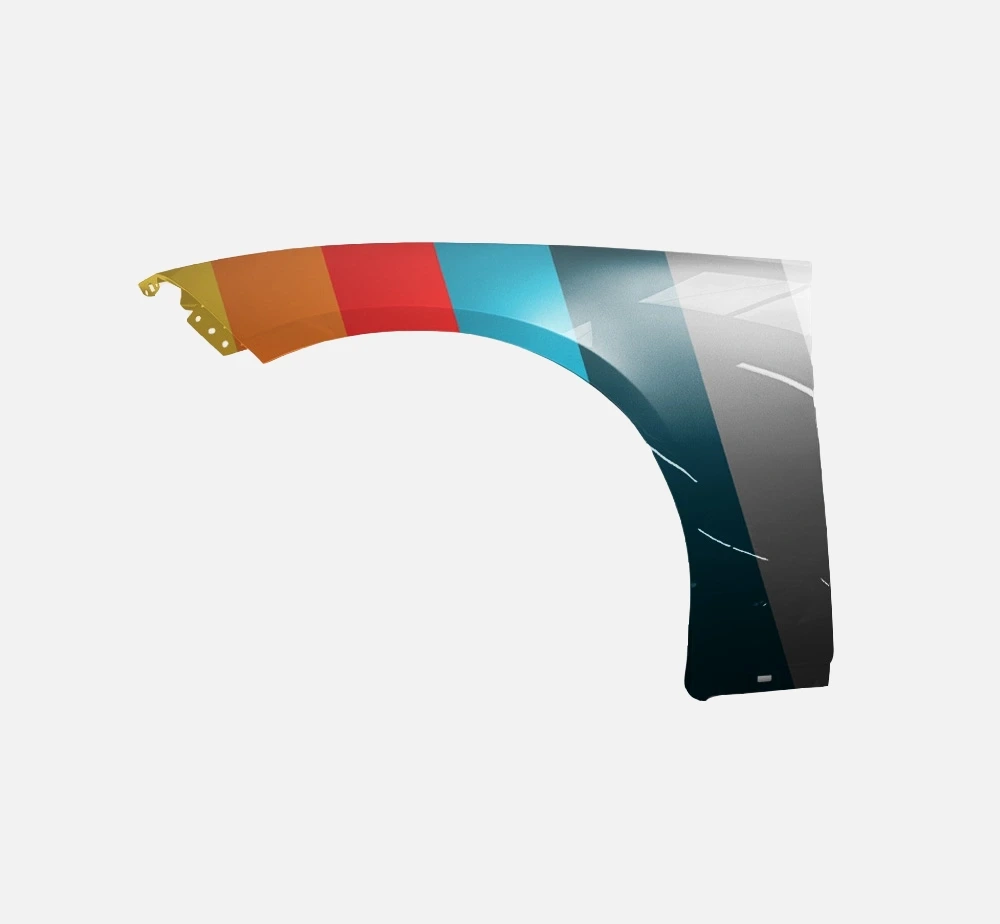









A car's fenders are often overlooked until something goes wrong. Positioned above the wheels and extending along the sides, they shield the body from debris, protect structural elements, and influence aerodynamics.
They also play a major role in how a car looks. Because of their location, fenders are among the most exposed panels on any vehicle, making them prone to damage from road hazards, accidents, and weather.
Neglecting fender issues can quickly escalate from a minor inconvenience into a costly repair. Scratches can turn into rust spots, dents can compromise structural integrity, and misalignment can disrupt the vehicle's aerodynamics and even safety systems.
Understanding these problems and knowing how to address them ensures your car remains both functional and attractive.
Key Takeaways:
- The most common fender issues are scratches and dents, misalignment, and rust.
- Troubleshooting involves carefully assessing severity, selecting proper repair methods, and acting quickly.
- Preventive care such as regular cleaning, protective coatings, and safe driving practices reduces the risk of fender damage.
- Ignoring small issues leads to accelerated wear, higher repair costs, and potential safety hazards.
Common Fender Problems
Scratches and Dents
Scratches and dents are the most visible and frequent fender issues. They can occur from simple incidents like grocery carts, flying gravel, or another driver opening a door into your car. While many scratches are superficial, deep ones expose bare metal, which can oxidize and develop rust.
Dents are equally problematic. Even small dents change the shape of the fender, potentially weakening it and disrupting airflow. Creased dents, where the panel bends sharply, are especially challenging and usually require professional tools to correct.
For newer vehicles, scratches and dents also impact resale value significantly, as buyers often associate visible fender damage with poor maintenance.
Misalignment
Fender misalignment happens when a panel shifts out of its original position. Common causes include low-speed collisions, hitting curbs, or poor-quality aftermarket installations. Signs include uneven gaps between the fender and the hood, headlights, or doors, and in severe cases, fenders may rub against tires during turns.
Misalignment is more than an aesthetic concern-it can interfere with aerodynamics, cause premature tire wear, and create wind noise at higher speeds. In vehicles equipped with advanced driver-assistance systems (ADAS), misalignment may even affect sensor calibration if sensors are integrated into or near the fenders.
Rust and Corrosion
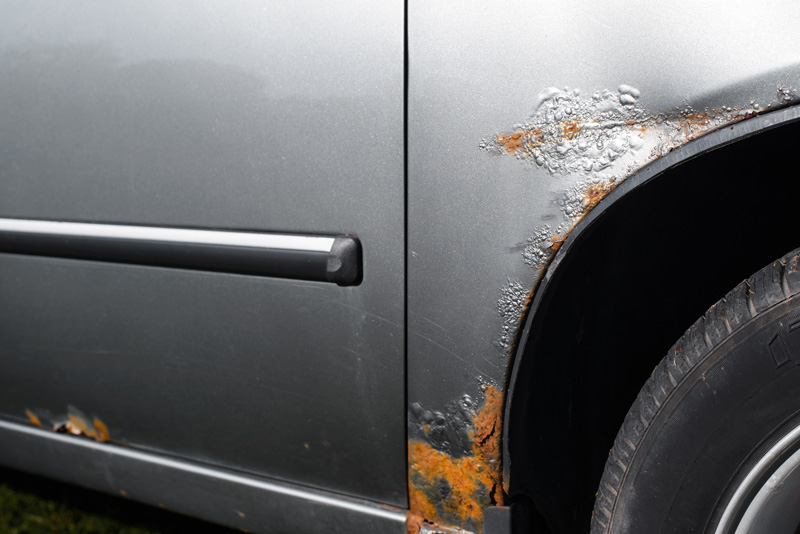
Rust is one of the most damaging problems for fenders, especially in regions with heavy snow or coastal climates. Road salt accelerates corrosion, and even a small paint chip can eventually become a rust hole if neglected.
Once rust penetrates beneath the paint and spreads across the metal, it weakens the panel and may compromise safety in collisions.
Modern vehicles use galvanized steel and protective coatings, but rust remains a persistent threat, particularly on older cars or vehicles exposed to harsh weather. Plastic fenders avoid corrosion but are more susceptible to cracking, which presents its own challenges.
Troubleshooting Techniques
Assessing the Damage
The first step in troubleshooting is accurately assessing the extent of damage. Cosmetic scratches, surface rust, and shallow dents are usually manageable with DIY methods. Structural damage, large cracks, or widespread corrosion require professional help.
When assessing scratches, determine whether they affect just the clear coat, the paint, or the bare metal underneath. For dents, check whether the metal has stretched, as this limits repair options. For rust, look beyond the visible surface-tap gently around the spot to identify hollow or weakened areas.
A proper assessment prevents wasted time and ensures you choose the correct repair strategy.
Repairing Scratches and Dents
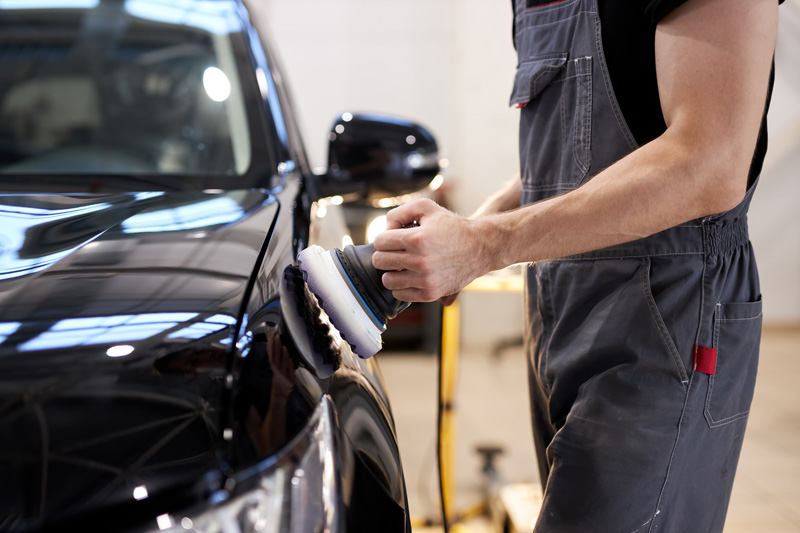
Light scratches that only affect the clear coat can often be buffed out using polishing compounds. Deeper scratches may need sanding, priming, and touch-up paint. It's essential to use the manufacturer's color code to achieve a seamless finish.
For dents, DIY repair kits with suction cups, glue pullers, or heat-and-cool techniques (especially effective on plastic panels) can restore shape. However, sharp creases or dents on body lines are difficult to fix without professional body shop equipment like paintless dent repair (PDR) tools. Attempting to fix complex dents at home without proper tools risks making the damage worse.
Realigning Misaligned Fenders
If a fender is misaligned, start by checking mounting bolts and brackets. Loosening bolts slightly allows for careful repositioning until gaps with adjacent panels are even. Always tighten bolts to manufacturer torque specifications afterward.
Severe misalignment often indicates damage to internal structures, such as reinforcement bars or frame mounts. In such cases, professional alignment is necessary. Body shops use precision measuring tools to restore factory panel fit, ensuring both aesthetics and function are preserved.
Addressing Rust and Corrosion
Surface rust can be treated with sanding, rust converters, and protective coatings. After sanding down the rusted area, apply primer and matching paint to seal the surface. This prevents moisture from re-entering and triggering more corrosion.
For more advanced rust, such as bubbling paint or holes, cutting out and replacing the affected section is often the best solution. Welding in new metal ensures the fender remains structurally sound. If rust damage is widespread, replacing the entire fender is more cost-effective.
Fixing Cracks and Breaks
Plastic fenders, common on modern cars, are lightweight but prone to cracking. Small cracks can be repaired with epoxy adhesives or plastic welding, restoring strength and preventing further splitting. Reinforcing the back of the crack with mesh before sealing improves durability.
Metal fenders that crack at seams or edges may require welding. After welding, refinishing with primer, paint, and protective coatings restores both appearance and protection. For large breaks, replacement remains the most reliable option.
Preventive Measures
Regular Maintenance Tips
Routine cleaning prevents buildup of dirt, grime, and salt that contribute to scratches and rust. Use soft brushes or microfiber cloths to avoid introducing new scratches. Applying wax or ceramic coatings creates a protective barrier against UV rays, pollutants, and moisture.
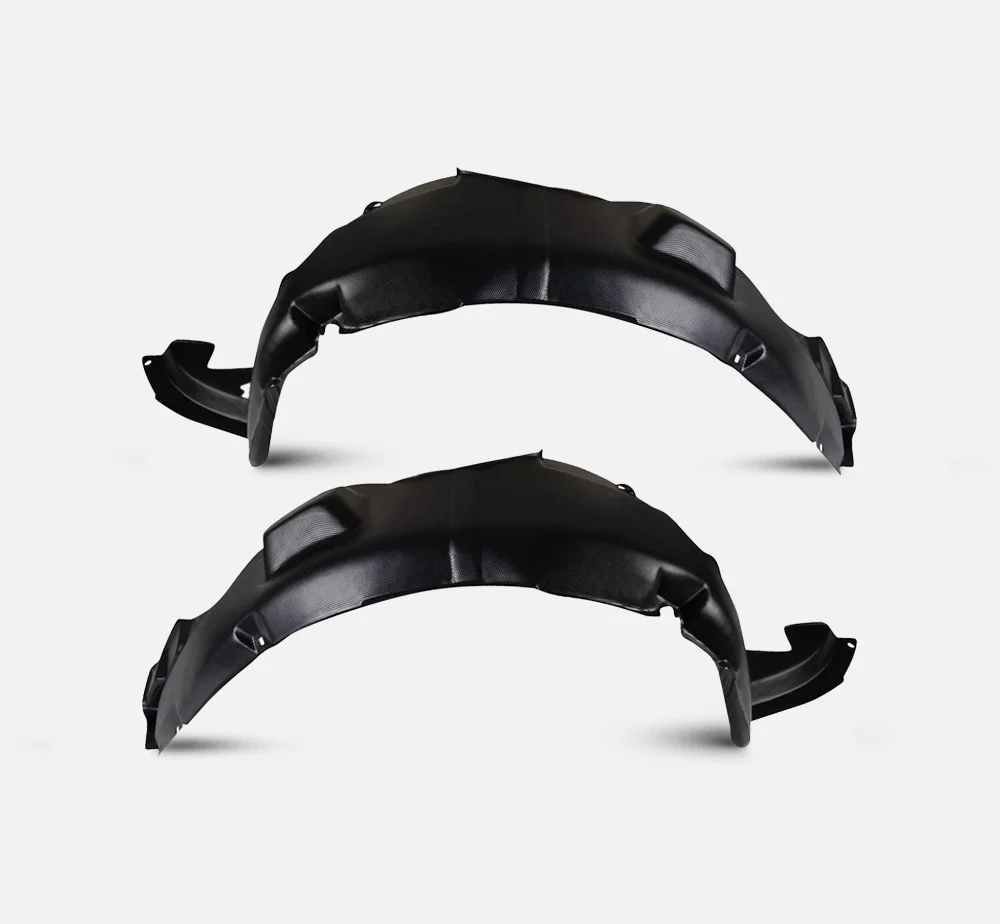
Regular inspections, especially after winter, help catch early signs of corrosion or damage inside wheel arches where debris accumulates. Investing in mudguards or wheel well liners adds another layer of protection, particularly for vehicles frequently driven in harsh conditions.
Safe Driving Practices
Many fender problems are avoidable with careful driving habits. Keeping a safe distance from trucks and construction vehicles reduces exposure to flying rocks and debris. Parking away from high-traffic areas lowers the risk of door dings and shopping cart dents.
Drivers should also avoid curbs and tight spaces, as scraping against hard surfaces is a common cause of fender misalignment and scratches. In snowy or coastal regions, rinsing the underside of fenders regularly minimizes salt buildup, slowing corrosion.
Final Thoughts
Fenders are more than just design elements. They protect critical vehicle structures, enhance aerodynamics, and help define a car's identity. Because of their exposed position, they are vulnerable to scratches, dents, rust, and misalignment. Addressing these issues quickly prevents them from escalating into expensive structural problems.
With the right balance of damage assessment, practical troubleshooting, and preventive care, car owners can keep their fenders functional and attractive for years. Proactive maintenance not only preserves vehicle value but also ensures safety and performance on the road.
FAQs (Frequently Asked Questions)
- How often should I inspect my car's fenders?
- It's recommended to inspect your car's fenders at least once a month, paying attention to any signs of rust, dents, or misalignment.
- Can I use any paint for touch-up painting?
- It's crucial to use the exact paint color and type specified in your car's color code for seamless touch-up results.
- Are DIY dent removal kits effective for major dents?
- DIY dent removal kits are best suited for minor dents. Major dents may require professional intervention for proper repair.
- What causes fender misalignment?
- Fender misalignment can be caused by minor accidents, wear and tear, or improper repairs. Identifying the cause helps determine the appropriate solution.
- Is rust-resistant coating necessary for new cars?
- While new cars come with factory-applied coatings, adding an extra layer of rust-resistant coating can provide additional protection, especially in harsh weather conditions.