




A dent in your car's bumper can be a frustrating reminder of a minor collision, parking mishap, or even a shopping cart scrape. While body shops offer professional repairs, many drivers prefer to handle small dents themselves to save time and cost.
Understanding how to get a dent out of a car bumper at home requires technical insight into materials, heat behavior, and the right use of tools.
Before diving into repair techniques, it helps to know what kind of damage you're facing. Each type of bumper dent reacts differently to pressure and heat, which determines the safest method for removal.
Key Takeaways:
- Bumper dents vary based on material type and depth.
- Heat application and controlled pressure are key to effective DIY repair.
- Using the right tools prevents surface cracking and paint distortion.
What Are Bumper Dents?
A bumper dent occurs when an external force compresses the bumper material beyond its elastic limit, leaving a visible indentation. Modern car bumpers are designed to absorb minor impacts without compromising safety, but their flexibility also means they can deform easily under certain conditions.
When a bumper dent forms, the material either stretches, bends, or partially fractures depending on its composition. Plastic bumpers can often return to shape with controlled heating, while metal bumpers usually require pulling tools due to their rigidity.
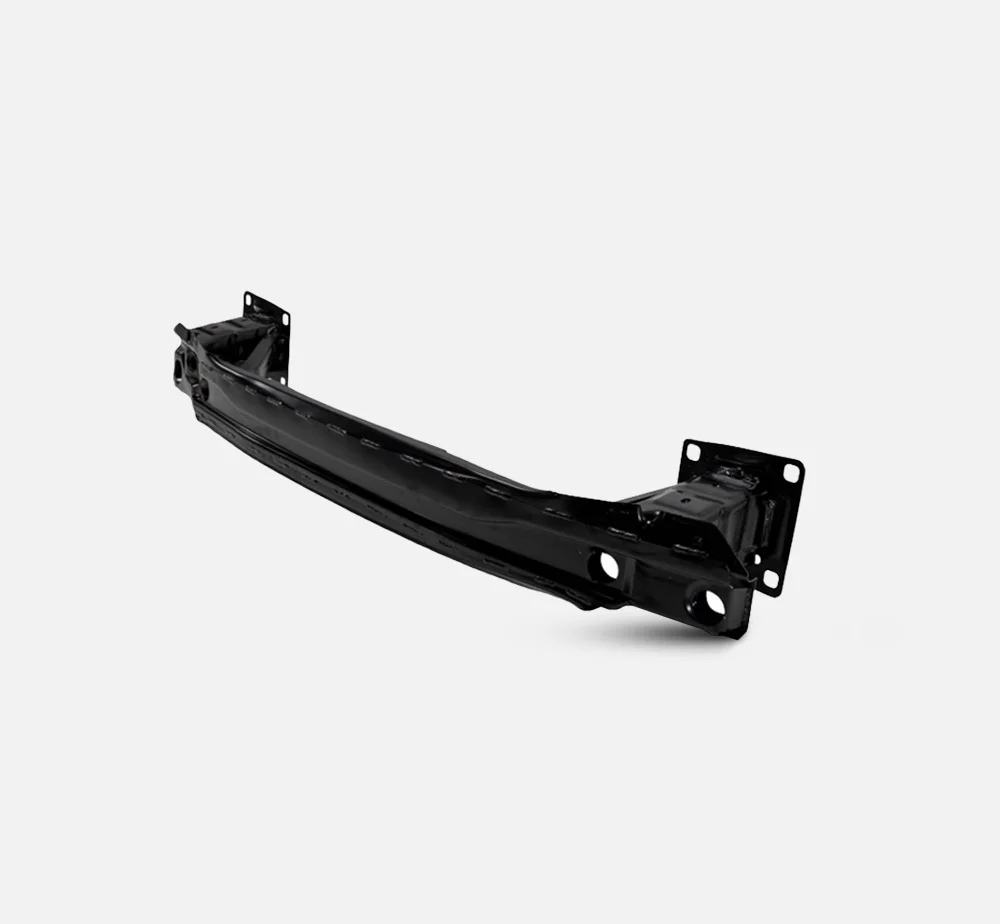
Understanding the structure beneath the outer layer also matters. Most bumpers feature a combination of a cover panel, impact-absorbing foam, and a reinforcement bar. If the reinforcement is bent, the repair may go beyond cosmetic restoration and require professional attention.

Understanding the Types of Bumper Dents
Different dents demand different approaches. The success of any home repair depends on identifying the exact type of damage before choosing a technique.
Plastic vs Metal Bumpers
Plastic bumpers, common in modern vehicles, respond well to thermal reshaping. When heated carefully, the polymer regains flexibility, allowing the surface to pop back into place. In contrast, metal bumpers, typically found on older or heavy-duty vehicles, resist deformation and require a mechanical pull rather than heat-based restoration.
Plastic bumpers must never be overheated. Excess heat can cause paint blistering or warping. The ideal method involves evenly distributed warmth, followed by gentle inward or outward pressure at the dent center. Metal bumpers, on the other hand, usually benefit from suction cups or slide hammers that provide consistent pulling force without scratching the finish.
Common Causes of Bumper Dents
Everyday driving exposes vehicles to multiple risk points. Minor rear-end impacts during traffic jams, tight parking spaces, and unexpected contact with objects like posts or shopping carts often cause these imperfections. Understanding these causes helps prevent recurrence by improving driving and parking habits.
Assessing the Severity of the Dent
Accurate assessment is crucial before attempting repair. A shallow dent with nopaint damagecan often be corrected easily. Deep or creased dents may involve stress fractures under the paint that weaken the surface.
Always inspect under adequate lighting and check for cracks or peeling. If structural elements behind the bumper are affected, replacement may be safer than repair.
What Tools and Materials Do You Need to Get a Dent Out?
A well-prepared workspace and the correct tools make all the difference in achieving a professional-looking result. Basic home equipment can work effectively if used correctly.
Commonly used tools include:
- A heat gun or hair dryer for temperature control.
- Compressed air or dry ice for rapid cooling.
- A plunger or suction cup dent puller for external pressure.
- A set of rubber-tipped hammers for internal reshaping.
- Microfiber cloths and a polishing compound for post-repair finishing.
Each item serves a specific role. The heat gun softens the bumper surface, allowing it to flex. Cooling the area rapidly with compressed air contracts the material, helping the dent return to its original contour. Suction devices apply uniform tension, and rubber-tipped hammers allow for precise reshaping from the inside when access is available.
Before beginning, ensure the bumper is clean. Dirt and debris can scratch the surface during manipulation. Use mild automotive soap, rinse thoroughly, and dry completely.
Step-by-Step Guide to Removing a Dent
With the tools ready, follow a systematic process to restore the bumper. Each step requires patience and control to avoid overstressing the material.
1. Heat the Affected Area
Start by heating the affected area. Use a heat gun set to a moderate temperature and move it continuously over the dent for one to two minutes. The goal is to make the surface warm to the touch, never excessively hot.
2. Apply Pressure to the Dent
Once heated, apply pressure from behind the dent if accessible. If not, use a suction cup or plunger from the outside. Create a firm seal and pull gently, maintaining steady force until you hear a pop or see the dent shift outward.
3. Alternate Heating and Cooling
If the dent persists, alternate between heating and cooling. Spray compressed air or apply dry ice immediately after heating to trigger rapid contraction. This thermal change often helps the material return to shape.
4. Use a Slide Hammer for Metal Bumpers
For metal bumpers, use a slide hammer with a glue-pull adapter. Apply adhesive to the center of the dent, let it set, and then use controlled tugs to draw the surface outward. After achieving the desired shape, remove adhesive residue with isopropyl alcohol.
5. Clean and Polish the Area
Finish the process by cleaning and polishing the area. A light polish restores luster and removes minor surface blemishes caused during repair. If any paint irregularities remain, touch-up kits can restore visual uniformity.
6. Know When to Seek Professional Help
While this process works well for small dents, avoid forcing deep or creased areas. Overpulling may worsen the deformation. When unsure, a professional inspection ensures long-term durability and paint integrity.
Final Thoughts
Learning how to get a dent out of a car bumper at home gives drivers confidence and saves money. It requires precision and respect for material behavior, but most small dents can be fixed effectively with patience and the right technique. Always evaluate the damage thoroughly before attempting any repair, and never rush heat or pressure application.
For car owners seeking guaranteed quality parts and restoration components, Chicago Auto Body Parts provides reliable access to OEM and aftermarket bumper replacements.
Their catalog covers thousands of models across major brands, supported by fast delivery and competitive pricing. Choosing authentic components from a trusted supplier ensures your bumper repair or replacement meets original fit and performance standards.
Frequently Asked Questions
Can I remove a dent from a bumper without damaging the paint?
- Yes, if the paint surface is intact and you use controlled heat and suction techniques. Always test temperature response on a small section first to avoid softening the paint layer.
How long does it take to repair a bumper dent at home?
- Small dents typically take 30 to 60 minutes to restore. Preparation, heating, and cooling cycles add to the time, but rushing can lead to uneven results.
When should I replace the bumper instead of repairing it?
- Replace the bumper when the dent involves cracked paint, internal reinforcement damage, or misalignment with adjacent panels. Structural safety takes priority over surface appearance.