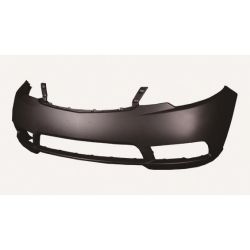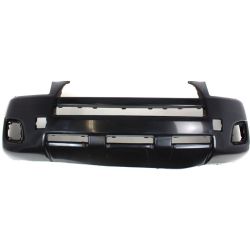

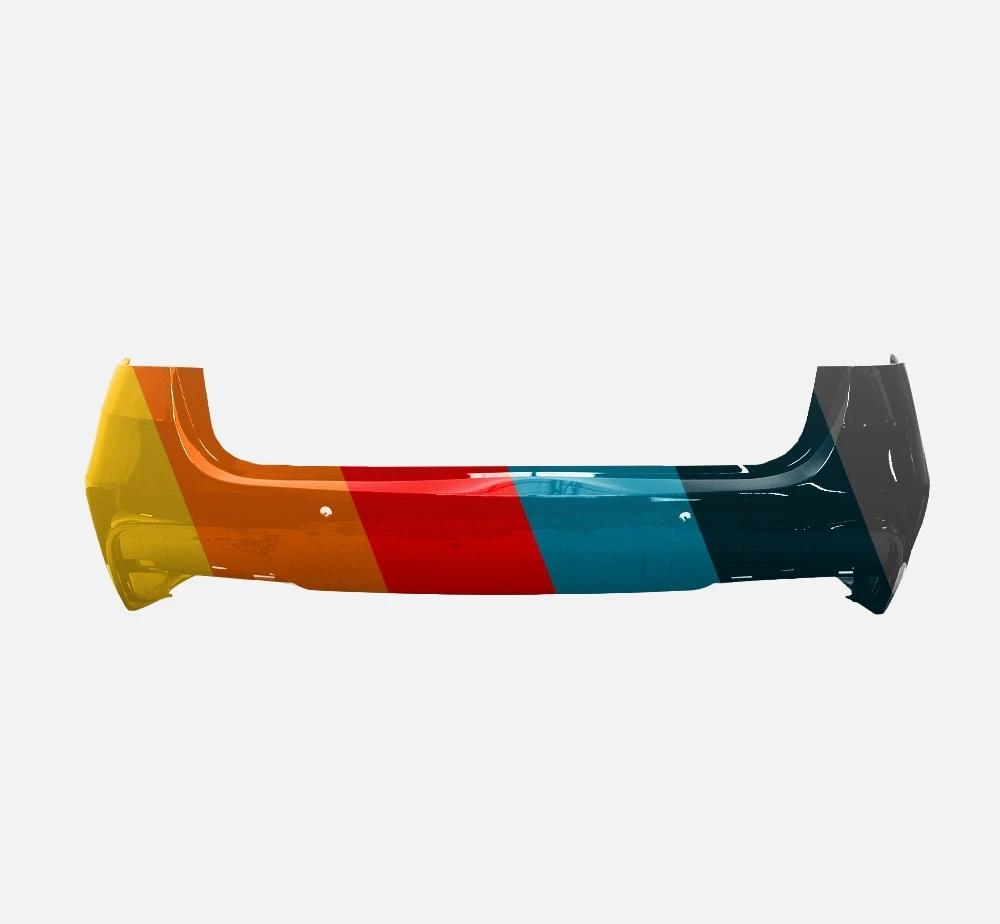
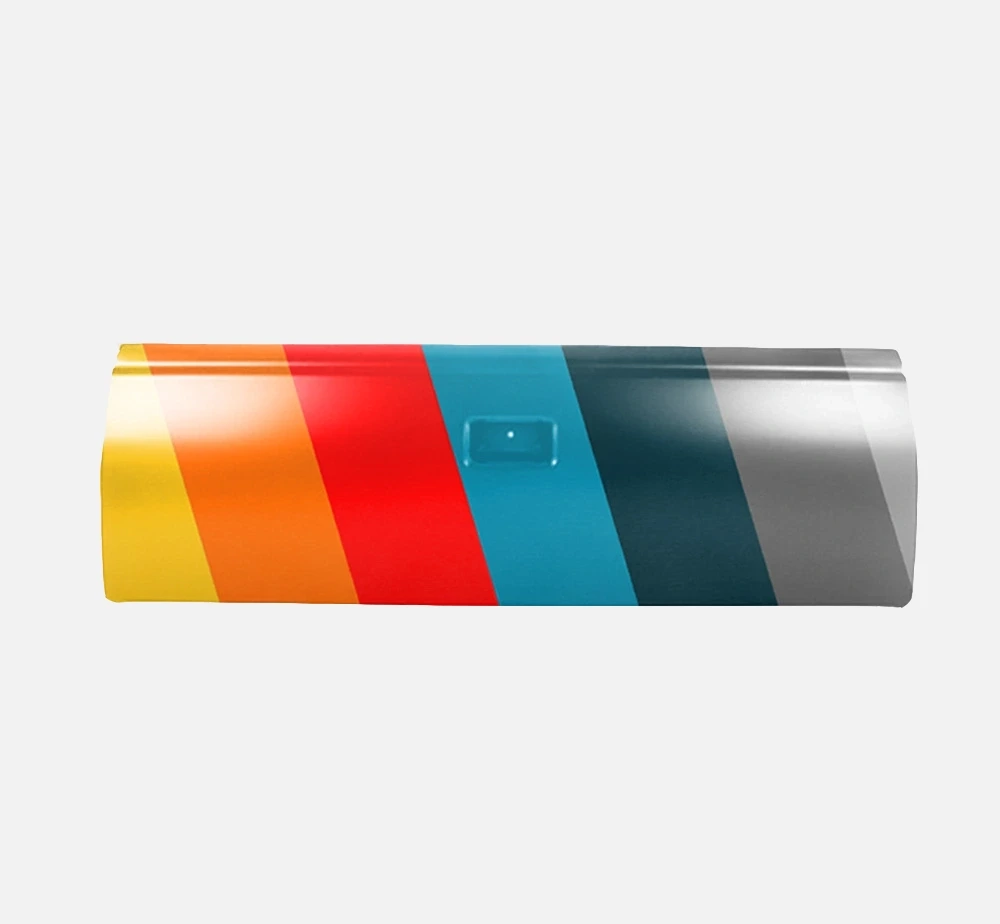
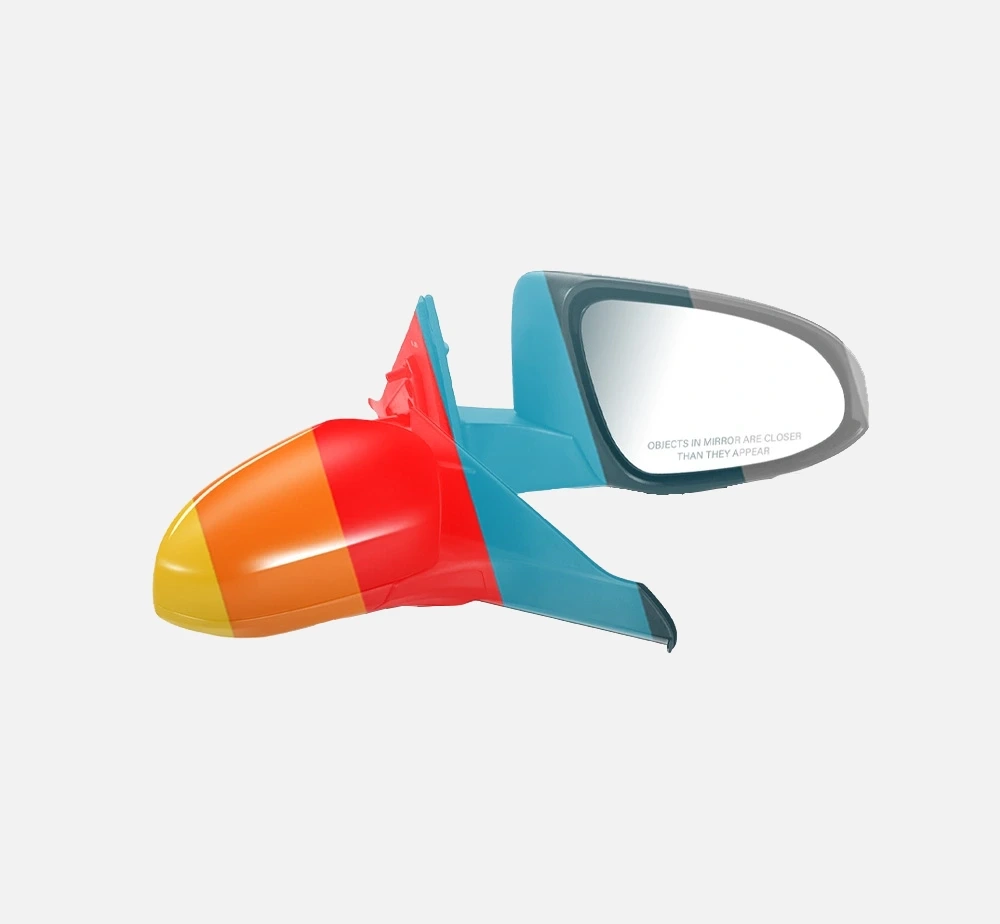
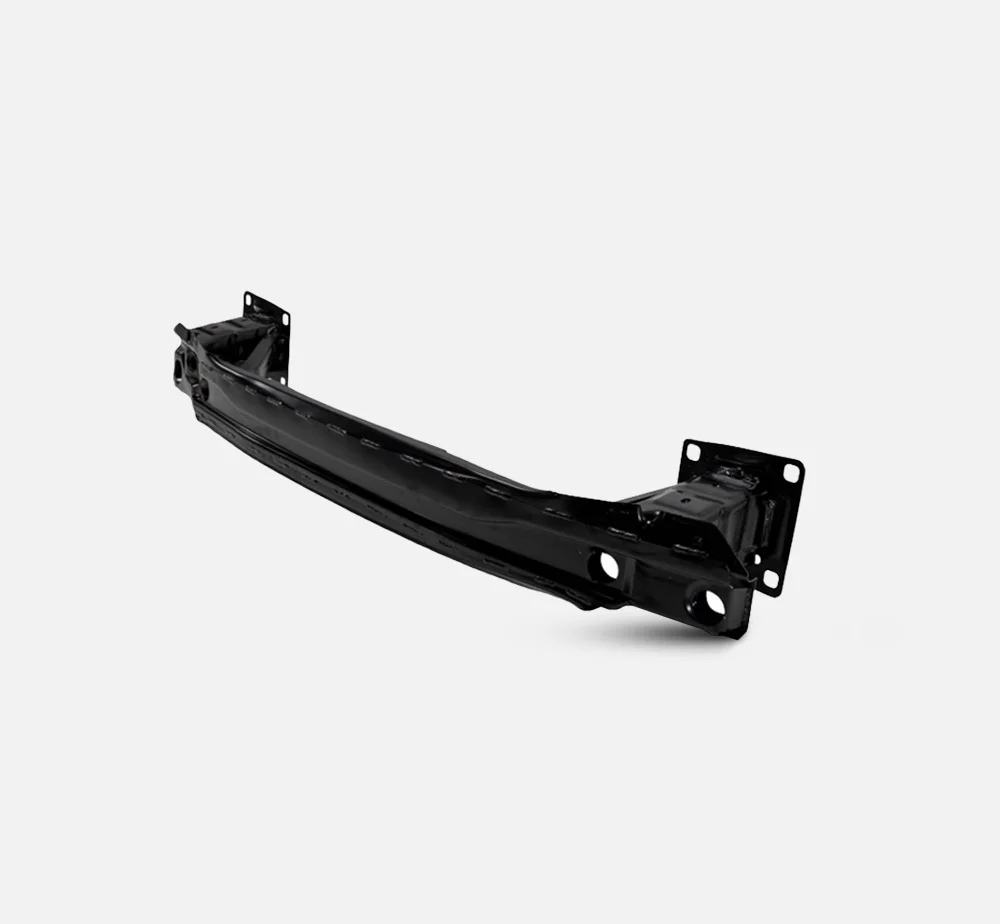


Bumpers are one of the most important yet overlooked parts of any vehicle. While they add to the car's appearance, their primary role is to protect critical components by absorbing impacts in collisions. Over time, bumpers face scratches, dents, rust, and even misalignment that compromise both aesthetics and safety.
By adopting a consistent maintenance routine, drivers can extend bumper lifespan, reduce costly repairs, and keep their vehicles looking sharp. This guide offers expert-approved bumper care practices, tailored to modern vehicles that often integrate sensors, cameras, and lightweight materials into their bumpers.
Key Takeaways:
- Bumper care involves cleaning, inspection, rust prevention, alignment, and protection of sensors.
- Different climates require specific approaches, from UV protection in summer to salt removal in winter.
- Small scratches or cracks can often be repaired, but structural damage calls for professional intervention or replacement.
- Proactive care saves money in the long run by avoiding repeated repairs or early bumper replacement.
Cleaning and Protecting Your Bumper
Dirt, road salt, and pollutants constantly accumulate on front and rear bumpers, leading to scratches, fading, and corrosion. Cleaning is the foundation of bumper maintenance, and how you clean depends on the material.
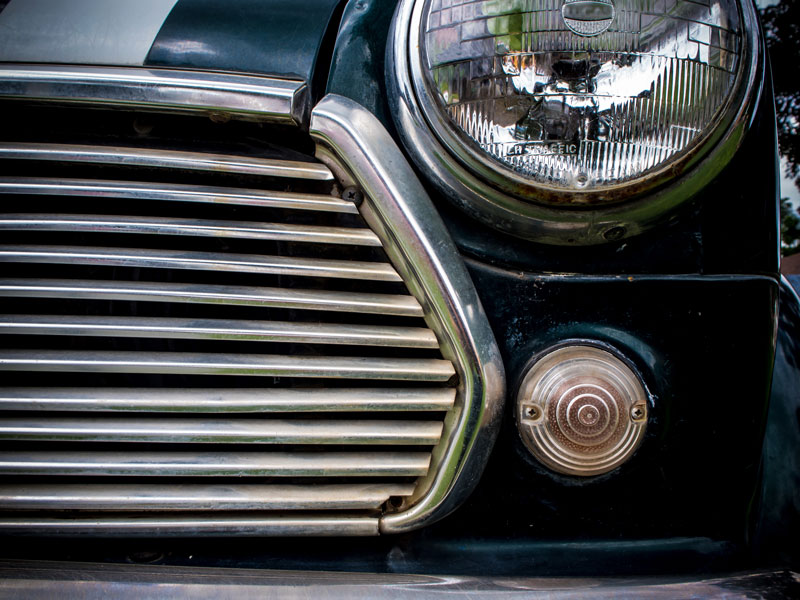
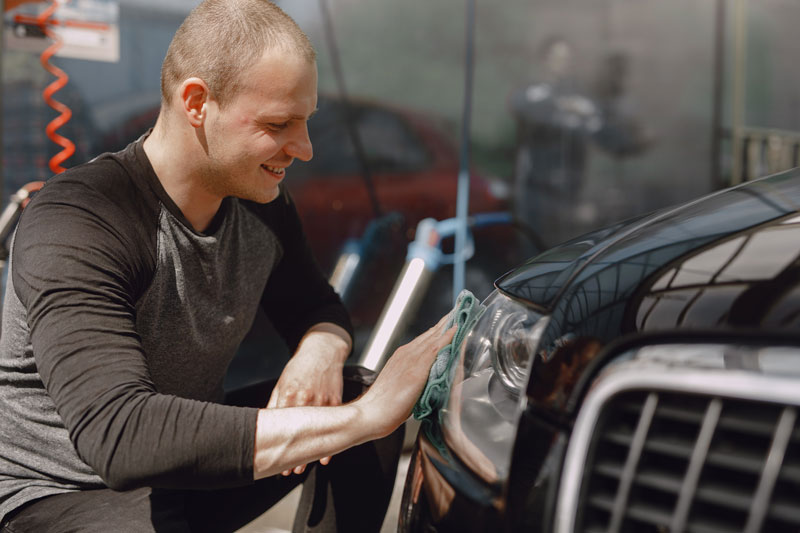
For painted bumpers, use pH-balanced car shampoos that remove grime without damaging clear coat. Microfiber cloths and soft sponges prevent swirl marks. Chrome bumpers require non-abrasive metal cleaners to avoid scratches, while plastic bumpers benefit from trim restoration sprays that restore depth of color.
After washing, applying wax or sealant protects the finish. Waxes create a hydrophobic barrier that repels water, while sealants offer longer-lasting chemical protection. For added durability, ceramic coatings are increasingly popular, offering up to two years of resistance against UV rays and road contaminants.
Drivers in snowy regions should wash their bumpers weekly during winter, as salt is highly corrosive. Those in sunny climates should reapply UV protectants frequently to prevent fading or brittleness in plastic parts.
Inspecting for Damage
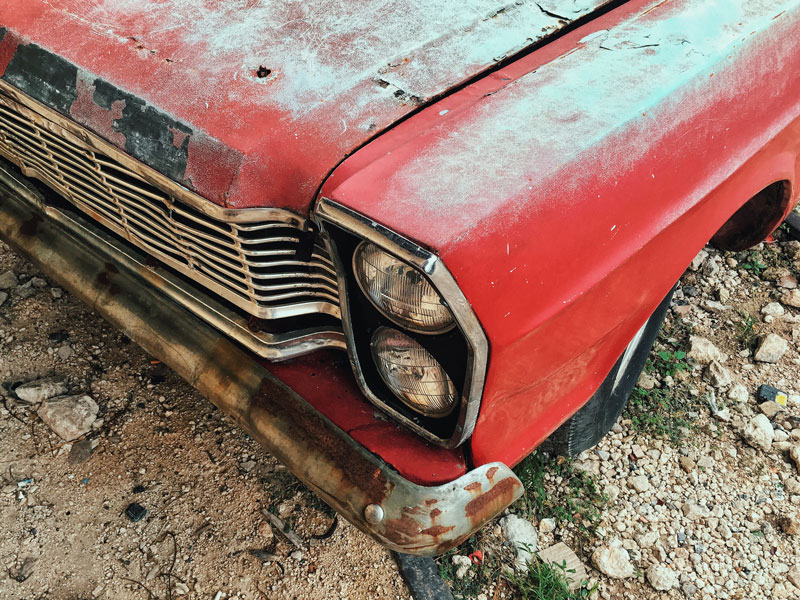
Surface scratches, chips, and dents are common, especially in urban driving and parking environments. Even small imperfections can allow water and contaminants to penetrate, leading to rust or deeper cracks over time. Inspecting bumpers during regular washes helps catch damage early.
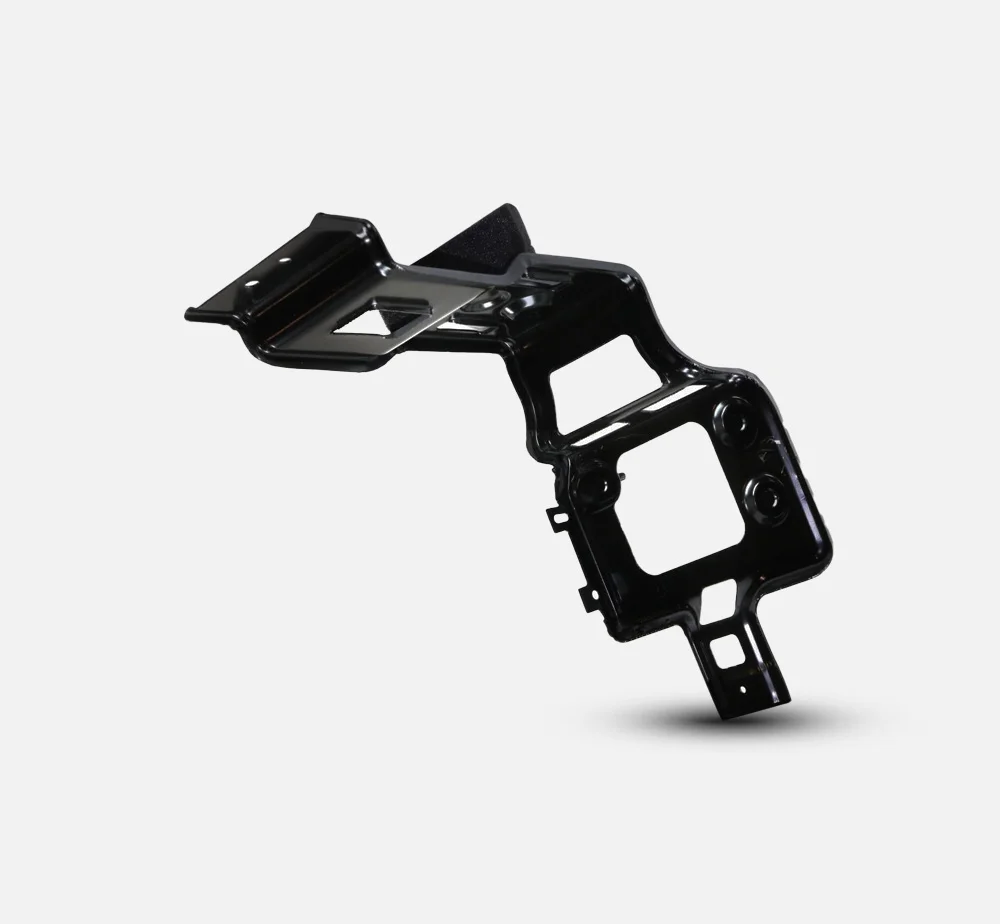
Beyond cosmetic damage, bumpers can suffer from hidden structural issues. For example, the reinforcement bar behind a plastic bumper cover may bend in a low-speed collision, even if the outer cover appears fine. Signs include rattling sounds, uneven gaps, or poor bumper alignment.
Regular inspection involves:
- Checking the bumper edges for loose fasteners.
- Running a hand along the surface to feel for cracks.
- Looking underneath for rust or exposed metal on reinforcements.
Addressing these early avoids costly structural repairs later.
Addressing Rust and Corrosion
Rust is a major threat to bumpers, especially those with steel cores or chrome finishes. Once rust forms, it spreads quickly and weakens structural integrity.
For surface rust, sanding the affected area and applying rust converters can stop corrosion. Protective primers and touch-up paints then seal the repair. For chrome bumpers, using chrome polish and protective wax helps maintain shine while preventing oxidation.
Plastic bumpers avoid rust but can still degrade under UV exposure or crack under stress. Applying conditioners and keeping them clean prevents premature aging.
For older vehicles with heavily corroded metal reinforcements, replacing the affected bumper section is safer than attempting patch repairs. This ensures the bumper maintains its crash-absorbing capacity.
Maintaining Proper Alignment
A rear or front bumper that is slightly out of alignment may look harmless but can compromise safety. Misaligned bumpers are less effective at absorbing impact energy, and gaps may allow moisture into structural components.
Common causes include:
- Parking lot bumps.
- Minor fender benders.
- Loose bolts or worn clips.
Checking alignment means ensuring the bumper sits flush with headlights, fenders, and grilles. Uneven gaps or sagging corners are red flags. While some adjustments can be done with hand tools, more serious misalignment often requires professional help, especially if hidden reinforcements are bent.
Maintaining alignment is not only about safety-it also preserves the vehicle's appearance and resale value.
Caring for Sensors and Technology
Modern bumpers often house advanced driver-assistance systems (ADAS), including parking sensors, radar for adaptive cruise control, and rear-view cameras. These features make bumper maintenance even more critical.
Dirty sensors can misinterpret obstacles, leading to false alarms or reduced safety. Cleaning them gently with microfiber cloths and mild soap prevents buildup without scratching sensitive surfaces. Wax and sealants should be kept away from sensor lenses, as residue can interfere with signals.
In winter, ice and snow can block sensors. Clearing them regularly ensures the systems remain functional. Vehicles equipped with radar or lidar sometimes require recalibration after bumper impacts, even minor ones, to maintain accuracy. Ignoring this step may compromise advanced safety features.
Seasonal Bumper Care
Winter Protection
Cold climates expose bumpers to road salt, ice, and snow. Salt accelerates corrosion in steel and damages paintwork. Frequent rinsing, particularly on the underside, prevents buildup. For plastic bumpers, freezing temperatures increase brittleness, so even minor impacts can cause cracks. Applying protective sprays before winter creates a barrier against salt and moisture.
Summer Protection
Heat and UV radiation cause paint to fade and plastics to dry out. Parking in shaded areas or using UV-resistant protectants prevents premature aging. Regular waxing during summer helps maintain shine and shields the paint from sun damage.
By adapting maintenance routines seasonally, bumpers stay resilient year-round.
Repairing Minor Damage
Not all bumper damage requires replacement.
Many small issues can be handled with DIY tools:
- Scratchescan be buffed out with polishing compounds or filled with touch-up paint.
- Small dents may be repaired using heat methods (on plastic bumpers) or dent pullers.
- Minor cracks can be sealed with epoxy or plastic welding kits.
However, it's important to recognize the limits of DIY. Structural cracks, deep rust, or issues affecting mounting brackets should always be repaired by professionals. Attempting fixes beyond your skill level can compromise bumper effectiveness in accidents.
When to Replace Your Bumper?
Despite diligent care, bumpers eventually reach the point where replacement is necessary.
Warning signs include:
- Large cracks across the surface.
- Severe rust weakening the reinforcement bar.
- Misalignment that cannot be corrected.
- Sensors or mounts that no longer function properly.
Replacing a bumper restores both safety and aesthetics. Choosing OEM replacements guarantees factory fit and crash performance, while quality aftermarket options offer affordability and style customization. Professional installation ensures proper alignment and integration with safety systems.
Cost-Effective Maintenance Practices
Bumper care does not require large expenses. Affordable steps like regular washing, waxing, and applying rust inhibitors prevent major damage. Investing in a few protective accessories, such as bumper guards or clear protective films, helps avoid scratches in tight parking situations.
Proactive care is a money-saver. Addressing chips with touch-up paint, replacing rusted bolts, or re-aligning a bumper early costs far less than repairing advanced structural damage. Over time, these small efforts extend bumper lifespan and reduce the likelihood of expensive replacements.
Final Thoughts
Bumpers are far more than decorative panels. They are critical safety features that require consistent care to perform as intended. From cleaning and rust prevention to alignment checks and seasonal protection, proactive maintenance keeps bumpers looking sharp and functioning properly.
Modern bumpers with integrated sensors demand even more attention, as their performance directly affects advanced driver-assistance systems. By combining traditional upkeep with awareness of new technology, drivers can preserve safety, protect their investment, and maintain their car's appearance for years.
FAQs (Frequently Asked Questions)
How often should I clean my bumper?
- Regular cleaning is recommended, ideally at least once a week, to prevent dirt buildup and maintain the bumper's appearance.
Can I use any wax or sealant on my bumper?
- Choose a wax or sealant specifically designed for automotive use, ensuring compatibility with your bumper material.
What signs indicate the need for bumper replacement?
- Extensive structural damage, repeated repairs, or visible signs of wear are indications that it's time to replace your bumper.
Are DIY repairs effective for bumper maintenance?
- Yes, DIY repairs are effective for addressing minor damages promptly, contributing to overall bumper health.
How can I dispose of a damaged bumper responsibly?
- Seek recycling options for proper disposal, minimizing the environmental impact of discarded bumpers.